
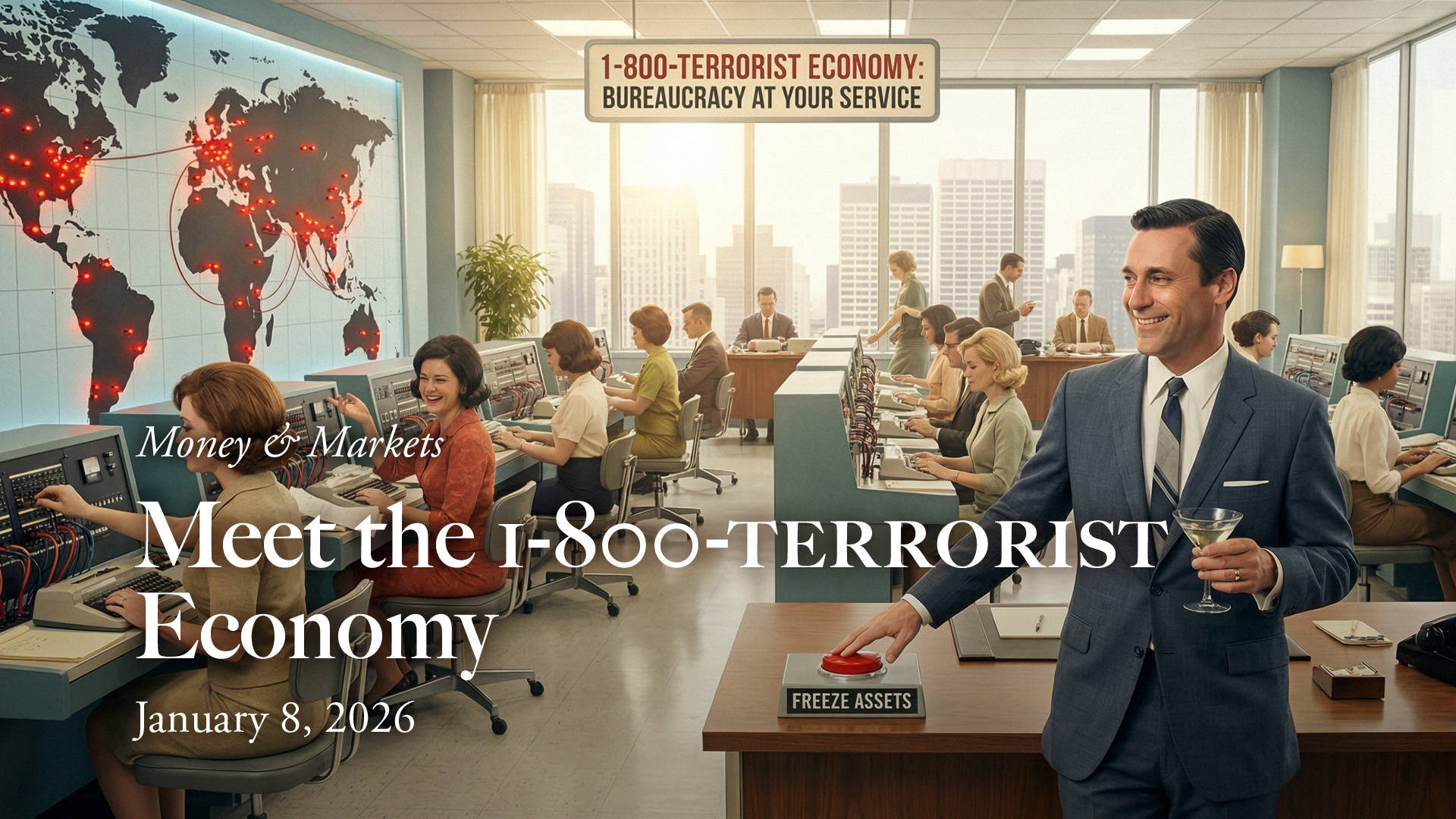
Money & Markets Report: January 8, 2026
Become a member: Subscribe














NTS Headlines
Headlines by Category
Headlines by Year
- Money & Markets
- Weekly Solari Reports
- Cognitive Liberty
- Solari Builders
- Ask Catherine
- News Trends & Stories
- Equity Overview
- War For Bankocracy
- Digital Money, Digital Control
- State Leader Briefings
- Food
- Food for the Soul
- Future Science
- Health
- Metanoia
- Solutions
- Spiritual Science
- Wellness
- Building Wealth
- Via Europa






















Solari’s Building Wealth materials are organized to inspire and support your personal strategic and financial planning.


Building Wealth
This 6-pillar curriculum teaches the basic literacy we need to be personally and financially successful and to do so in a manner in which together we evolve a culture that supports the emergence of an advanced human civilization.






Missing Money
Articles and video discussions of the $21 Trillion dollars missing from the U.S. government
Connect with the wider network of like-minded Solari subscribers using our in-house social media platform, Solari Connect.

No posts
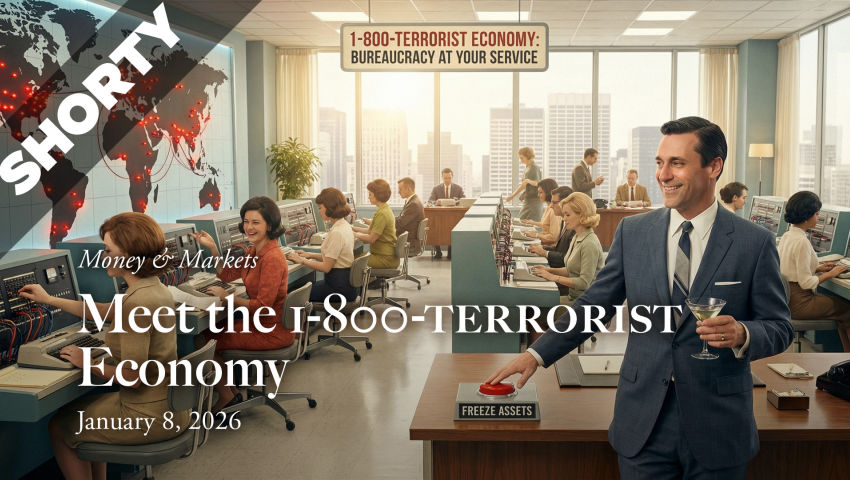

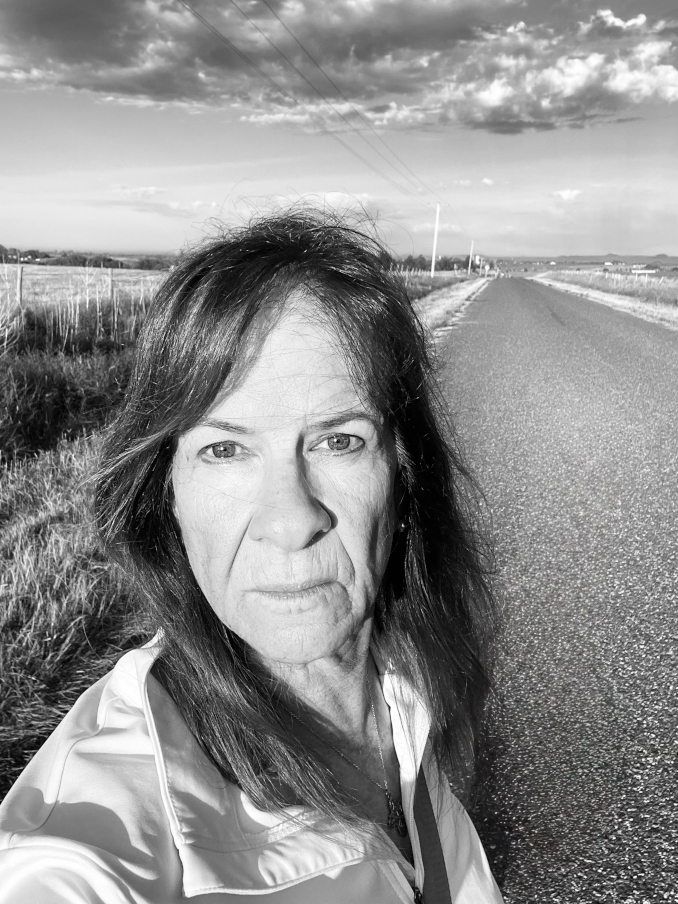
In this episode, we’re kicking off 2026 with a comprehensive discussion on the evolving ‘1-800-TERRORIST’ economy. The show covers a wide array of topics such as the role of private equity in the financial landscape, a deep dive into market trends like the rise of precious metals, the impact of digital tokenization, and the Biden administration’s recent economic policies. We also touch on geopolitical issues, revealing the complexities of regime changes in Venezuela and Iran, while exploring how surveillance technologies and digital IDs are being integrated in daily life. Additionally, the episode features an in-depth analysis of private equity’s influence on various sectors, a highlight of Seymour Hirsch’s contributions to investigative journalism, and a spotlight on Susan Luschas as Hero of The Year for her advocacy for cash. Stay tuned for a jam-packed show that takes a hard look at the current state of global and domestic affairs.
00:00 Welcome to 2026: Setting the Stage
00:29 The 1-800-TERRORIST Economy
02:08 Global Optimism and Market Projections
05:08 Private Equity and Financial Manipulations
05:51 New Year’s Resolutions and Personal Reflections
16:40 Private Equity’s Impact on Youth Sports
30:46 Geopolitical Moves in Venezuela
40:50 The Maduro Trial and Drug Syndicate Revelations
41:55 Comparing Justice: Maduro vs. Sackler and Epstein
42:48 Wall Street and the Financial Crisis
43:54 Venezuela’s Stock Market and US Intervention
45:44 Trump’s Regime Change Flip-Flop
47:41 Iran’s Protests and Foreign Interference
54:06 Asset Tokenization and Financial Control
59:26 Somalia: Fraud Allegations and Media Narratives
01:11:53 Gaza’s High-Tech Metropolis Proposal
01:15:38 Ukraine Conflict and US-Russia Tensions
01:21:07 Silver Market Bifurcation
01:22:35 Retail Surveillance and Privacy Concerns
01:26:27 Modern Cars and Data Privacy
01:30:23 Age Verification and Digital ID
01:32:34 Epstein Scandal and Governance Issues
01:35:57 Pushback Against Surveillance
01:41:27 Silver and Gold Market Analysis
01:49:08 Private Equity and Economic Impact
01:51:32 Technocratic Dark State
01:55:10 Hero of the Year: Susan Luschas
01:57:42 Conclusion and Optimism for 2026
Latest solari report & ask catherine
Log in or subscribe to the Solari Report to enjoy full access to exclusive articles and features.
Already a subscriber?

On silver there is this: Is this REAL or not??? Take a look? Venezuelan silver mining reserves moved 38 mill ounces, 847 tons of mining equipment + 11 flights – two to Moscow – if so this heist makes the Maduro “kidnapping” look like trite theater……..
https://x.com/Ryanmatta/status/2007607820959789568
Don’t trust that one. Not reliable.
This narrative reminds me of the scene in the movie The Godfather in which Michael Corleone, in the name of peace, convenes the mafia families to discuss a mutually agreeable division of their respective criminal interests.
Wegmans was/is a family run grocery store. From Rochester NY. They used to pay college students tuition if they worked about 300 or 400 hrs per year. This seems a bit out of character. Is it still private ? Best grocery store chain. It did eventually move out of Ny and into Pa, Nj and VA and others. But they were local to western Ny for ages.
Yes, it used to be a family run and excellent. Does indeed seem out of character.
A sense of the United States real military capability… or propaghanda about it:
https://x.com/TheSCIF/status/2009732400520077338
Re the Wegmans ‘security biotracking’ – this has been going on at all Kroger stores for a while as part of their ‘theft management’ program, where they identify people (and they do, according to employees) past theifs and escort them out of the building.
Your segment about private equity and youth sports does not surprise me. This will likely result in bigger fish eating the smaller fish. When I staffed state legislatures, I drafted a bill (20 years ago) that would have regulated extracurricular activities by having the state’s education department take over jurisdiction from the state’s activities association, which is an NGO group, in effect. The legislator could not find additional support to even sponsor the bill. The activities association was that powerful; it could easily rally parents and communities to defend the children’s sports. It appears they have been too successful, and their operations will become fully privatized now.
At time 4.50 Catherine mentioned a ‘hung portfolio’. I was not familiar with that term so I did some research. For those who are interested, this is a brief explanation I got from ChatGPT:
A “hung portfolio” is a term used in finance and investment, usually referring to a portfolio of securities or investments that is stuck or underperforming, often because it contains assets that are illiquid, difficult to sell, or declining in value. It’s like a portfolio that’s “hanging” in limbo—investors can’t easily exit or rebalance it.
Here are some typical contexts where it’s used:
1. Private Equity / Venture Capital: A fund might have a hung portfolio if it holds investments in companies that are not yet ready for an exit (like IPO or acquisition), leaving the capital tied up for longer than planned.
By the way, I loved the joke about the 2 economists.
Norbert Haering interview with the Greek movement against Digital Totalitarianism
https://eksodos.gr/index.php/el/kinisi-2/eksodos-draseis/diadiktyaki-synentefksi-me-ton-k-normpernt-xeringk