
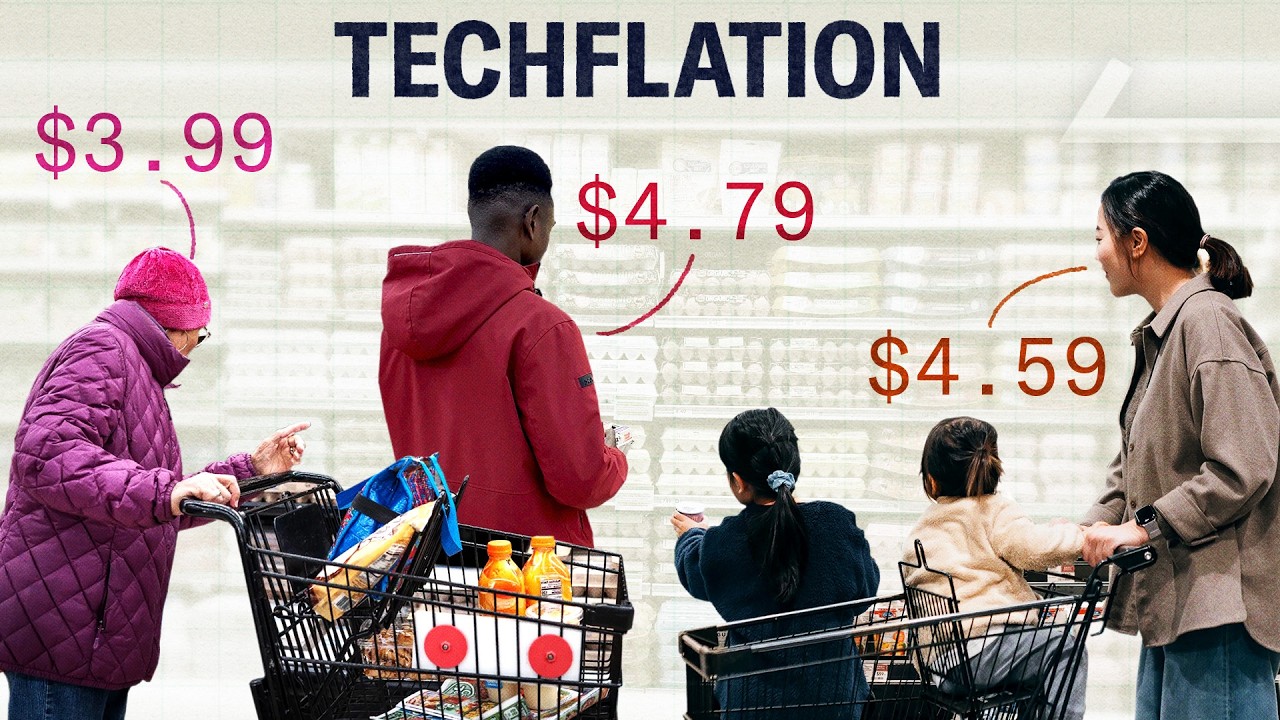
Movie of the Week: January 10, 2026: We Had 400 People Shop for Groceries. What We Found Will Shock You
Become a member: Subscribe

































NTS Headlines
Headlines by Category
Headlines by Year
- Money & Markets
- Weekly Solari Reports
- Cognitive Liberty
- Solari Builders
- Ask Catherine
- News Trends & Stories
- Equity Overview
- War For Bankocracy
- Digital Money, Digital Control
- State Leader Briefings
- Food
- Food for the Soul
- Future Science
- Health
- Metanoia
- Solutions
- Spiritual Science
- Wellness
- Building Wealth
- Via Europa









































Solari’s Building Wealth materials are organized to inspire and support your personal strategic and financial planning.




Building Wealth
This 6-pillar curriculum teaches the basic literacy we need to be personally and financially successful and to do so in a manner in which together we evolve a culture that supports the emergence of an advanced human civilization.















Missing Money
Articles and video discussions of the $21 Trillion dollars missing from the U.S. government

Connect with the wider network of like-minded Solari subscribers using our in-house social media platform, Solari Connect.








No posts
Movie of the Week
We Had 400 People Shop for Groceries
What We Found Will Shock You
January 10, 2026
“Pricing is the single most powerful level to raise profits—far more effective than either boosting sales or cutting costs.”
~ Stephen Mewborn
Movie of the Week
We Had 400 People Shop for Groceries
What We Found Will Shock You
The age of “surveillance pricing” is upon us. This informative 18-minute video, which summarizes a five-month investigation by advocacy journalism nonprofit More Perfect Union in association with Consumer Reports and Groundwork Collaborative, shares other terms for the shady pricing practice: “algorithmic pricing,” “smart rounding,” “first-degree price discrimination,” “AI for Everyday Price Performance,” and (in Columbia Business School researcher Len Sherman’s colorful words) a “devilishly effective dark art.”
Investopedia defines AI-driven surveillance pricing as the adjusting of prices based on data collected about people’s browsing history, geographic location, purchase history, and other behavioral variables. Like researcher Sherman, one of the journalists involved in this video emphasizes the sneakiness: “This is a very sophisticated, very deliberate, explicit attempt to maximize profits and do so somewhat surreptitiously.”
The video focuses on how surveillance pricing has turned grocery sales into a “goldmine” by segmenting both online and in-store shoppers into different, algorithmically determined price groups. For the retailers, the practice helps move “billions of dollars, one penny at a time,” but for consumers, the investigation found it could cost a family as much as $1,200 a year.
Covid helped open the floodgates—changing retailers’ pricing culture from one of caution to the current “free-for-all”—by pushing shoppers online and allowing corporate giants like Amazon, Walmart, and Instacart to perfect their surveillance pricing tech. Other businesses then adopted the practice to stay competitive.
It is not surprising that surveillance pricing exploded during the wealth-shifting Covid era, for as Lina Khan (FTC chair from 2021 to 2025) remarks, the practice is yet another “big form of wealth transfer from ordinary Americans to massive corporations.” Khan explains that being able to charge each person the maximum amount that algorithms indicate they are able or willing to pay represents a sort of corporate “Holy Grail.”
More Perfect Union shared the following comment subsequent to posting its video on YouTube on December 9, 2025:
“Since this report was released Instacart’s stock price has fallen. Investors in the company became skittish that they were now exposed to greater legal liability.”
Meanwhile, a wise viewer commented, “THIS is the real reason they want everything to go cashless and make every purchase tied to your identity.” The short video does not delve into solutions, but it stands to reason that paying in person with cash is bound to confound the algorithms!
Watch the video on Odysee HERE.



Log in or subscribe to the Solari Report to enjoy full access to exclusive articles and features.
Already a subscriber?

Fantastic video of the week! Really enjoyed the discussion, it doesn’t speak to possible solutions or avoidance. Shop in person. Avoid products without price tags or stores electronic tags. Shop with businesses you trust. Think about what you buy. Maybe ensure you show behaviors that you will not pay a certain price. I tend to buy meat from a local custom butcher, dry goods in bulk from a small business owner and fabric from independent shops so a lot of this isn’t in this AI system. It’s large chain grocery, hardware stores or general retail (Walmarts, Targets). Super interesting, kudos to the Solari team for this week’s video.
Our team has been struggling with the dynamic pricing on websites and in stores – if you do a lot of traveling it is a real problem. So important to buy from people you trust who are not using your data.
Great video recommendation.
I wonder by liking this video on youtube if my hidden social credit system would be earmarked ‘savvy shopper’.
I remember many years ago watching a video demonstrating hotel and flight booking websites doing this type of dynamic pricing, back then it was mostly based on what types of devices/browers people use, for example, on ios devices, prices will be higher than android devices. Now with the advancement of algorithms and having more data points on individuals, they can now do this in a much granular level.
One more reason to buy from small family owned businesses and pay with cash.
Must I create a Goodle account to watch this video?
When I click on the link it says I must Sign into Youtube, then after entering my email, it thens requires me create a Google Account.
OUCH – use this one
https://odysee.com/@OurFreeSociety:2/We-Had-400-People-Shop-For-Groceries-What-We-Found-Will-Shock-You:2
As a rule of thumb when a YT video is recommended, I first try to find the same video on Odysee or another alternative platform. It usually works:
https://odysee.com/@OurFreeSociety:2/We-Had-400-People-Shop-For-Groceries-What-We-Found-Will-Shock-You:2
Thank you so much!!!
We switched the post!
That link doesn’t work for me (in Germany?) Gives error message : “Content unavailable In accordance with Sections 14(1) and 20(1) and (6) of the Interstate Treaty on the Protection of Human Dignity and the Protection of Minors in Broadcasting and Telemedia” !!!!
However, there seem to be a number of other copies on Odysee that work.
Thanks! Good reminder.
This topic really speaks to people because, who hasn’t been fooled at the cash at least once in their lives? You don’t have to be a conspiracy realist to understand, that (most) big retailers are greedy. Very shareable and valuable to convince people to pay cash.
Excellent documentary. Extremely informative.
What a great video (and the links that go with it, one offering some solutions to the problem). I have shared it with the family.
BTW I hate UBER with a passion and don’t use it. It only got traction by bribing politicians and destroyed working peoples livelihoods in the taxi industry in the UK and Australia (the countries I live in). Furthermore in Australia working people bought taxi plates as a retirement investment, as there were limited numbers of taxi plates allowed and you can earn money by leasing them to people. Allowing Uber in destroyed the earnings and hence the value of these plates. Disgusting.
I avoid Uber as well.
Expedia was doing this 25 years ago and is still doing it today. I saw a video recently that NYC has a new warning on the Ubereats app about algorithmic pricing. Doordash is a big ripoff, too.