





































































































Pushback of the Week
MPs Opposed to UK Digital ID
January 25, 2026










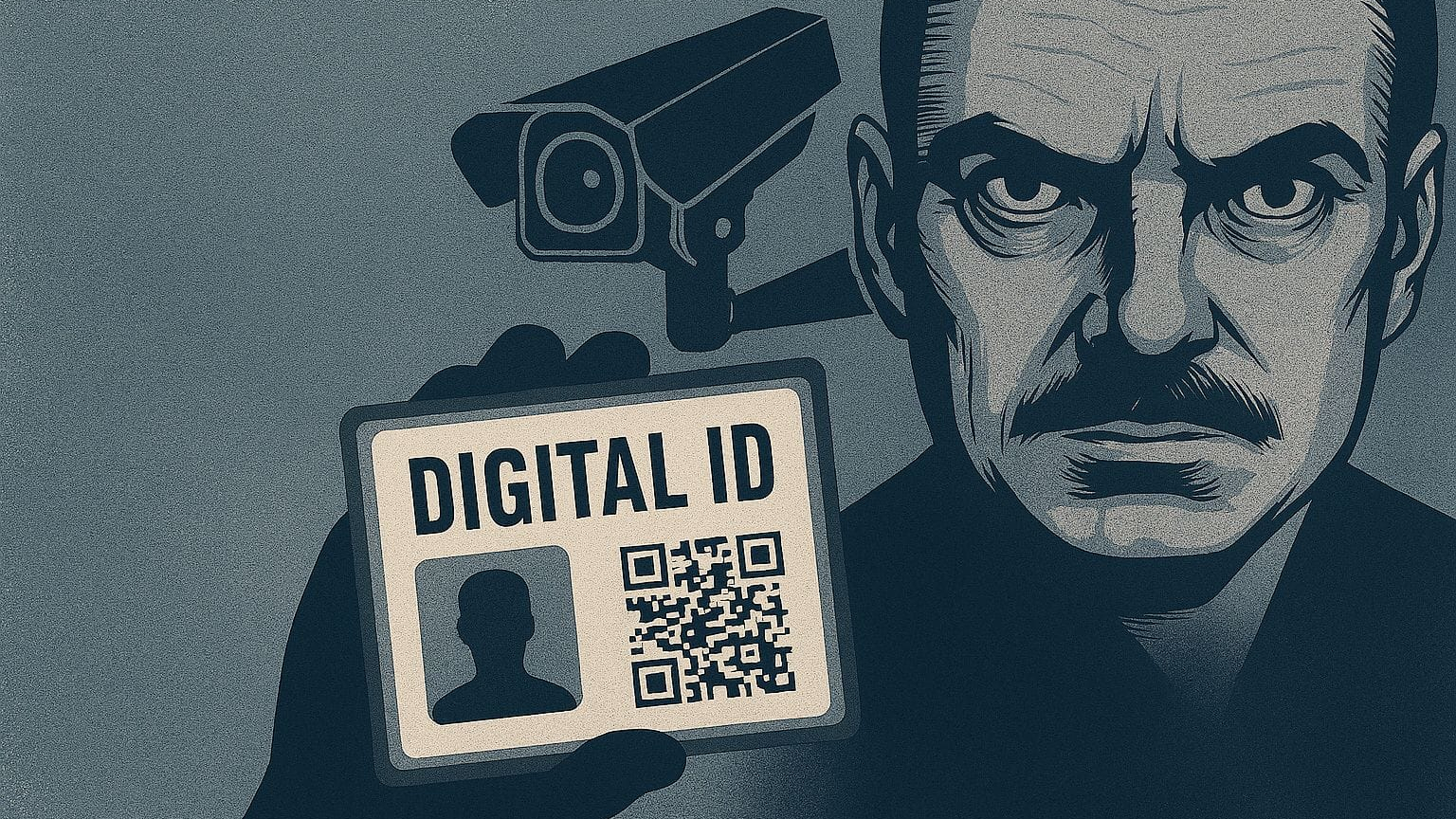
“[A]fter being used in World War 2 compulsory ID cards were abolished in 1952 because of the widespread sentiment that they are fundamentally at odds with British values and civil liberties; [this House] believes that sentiment was true then and is true today.”
~ 34 Members of the UK House of Commons (Early Day Motion, Oct. 13, 2025)
In late September of last year, UK Prime Minister Keir Starmer announced plans for a mandatory digital ID to be called the “BritCard.”
The reaction from members of the public was swift and furious, with a citizen petition rapidly garnering almost three million signatures. Nearly one in five Members of the House of Commons also chimed in, submitting an “early day motion” (used to draw attention to specific topics or events) on Oct. 13 “strongly condemn[ing] the Government’s plans to introduce a mandatory digital ID scheme.” The 34 MPs noted:
“[A]ny mandatory ID scheme would fundamentally reverse the nature of citizens’ relationship with the state and risk turning Britain into a checkpoint society [and] … would usher in a new era of mass surveillance that would enable a range of other privacy violations.”
Independent MP Rupert Lowe, who has served in the House of Commons since July 2024, subsequently penned an open letter to Starmer, co-signed by close to 50 MPs, who reiterated the view that the compulsory digital ID scheme is “dangerous, intrusive and deeply un-British” and vowed to “oppose it at every stage.”
On January 13, the government made a pretense of backing down, stating that it would drop its plans linking the BritCard to the right to work. Although Lowe and other digital ID opponents are currently celebrating, this is, as Catherine often points out, trench warfare. Parsing the ostensible “victory,” Iain Davis—author of The Technocratic Dark State, discussed with John Titus in a recent interview at Solari—reports that the UK’s digital ID intentions are essentially unchanged.
Suggesting that the BritCard was a propaganda construct designed to distract the public with a “loathed bogeyman,” Davis points out that Starmer assured Parliament the very next day, “There will be checks. They will be digital and they will be mandatory.” Last August, the UK took another step in that direction with its rollout of the emphemistic “Online Safety Act,” making age verification mandatory for access to various content, including “heart of the Internet” sites such as Reddit. After Reddit caved, the Electronic Frontier Foundation warned, “When fines are at stake, platforms will always default to overcensoring.”
True victory will only come about, emphasizes Iain Davis, “if we are serious about mass non compliance.” In the meantime, this series of events offers an excellent opportunity to see how the game is played.
“I am off for a very large drink to celebrate the demise of mandatory Digital ID.” (@RupertLowe10)
Fake Digital ID “Victory” (Iain Davis)
FURIOUS MPs slate Digital ID after HUGE petition prompts dramatic parliament debate
Digital ID (Early Day Motions, UK Parliament)
The UK Has It Wrong on Digital ID. Here’s Why.
Americans, Be Warned: Lessons from Reddit’s Chaotic UK Age Verification Rollout
The Technocratic Dark State: Trump, AI, and Digital Dictatorship with Iain Davis
Book Review: The Technocratic Dark State by Iain Davis
Hero of the Week: November 10, 2025: Senator Rand Paul and Twila Brase
Action of the Week: November 2, 2025: Disrupt the Rollout of Digital ID and Biometrics
The Digital ID Threat Is Real: Don’t Fall for Empty Promises and Trojan Horse Reforms
Already a subscriber?

Our mission is to help you live a free and inspired life. This includes building wealth in ways that build real wealth in the wider economy. We believe that personal and family wealth is a critical ingredient of both individual freedom and community, health and well-being.
Nothing on The Solari Report should be taken as individual investment, legal, or medical advice. Anyone seeking investment, legal, medical, or other professional advice for his or her personal situation is advised to seek out a qualified advisor or advisors and provide as much information as possible to the advisor in order that such advisor can take into account all relevant circumstances, objectives, and risks before rendering an opinion as to the appropriate strategy.
Be the first to know about new articles, series and events.
Your cart is currently empty!
Notifications