
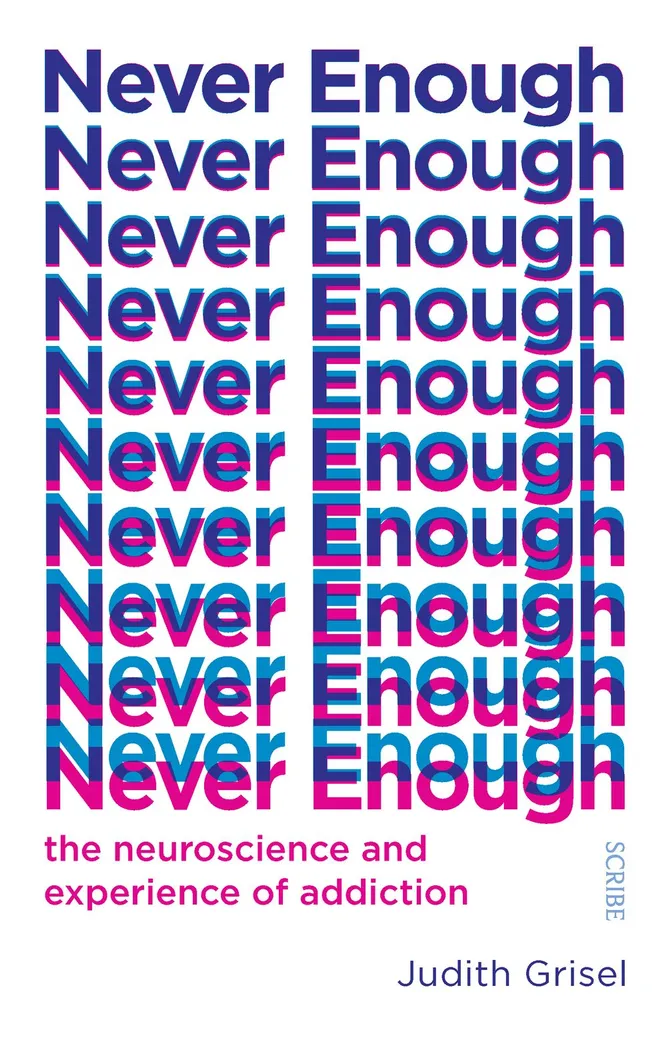
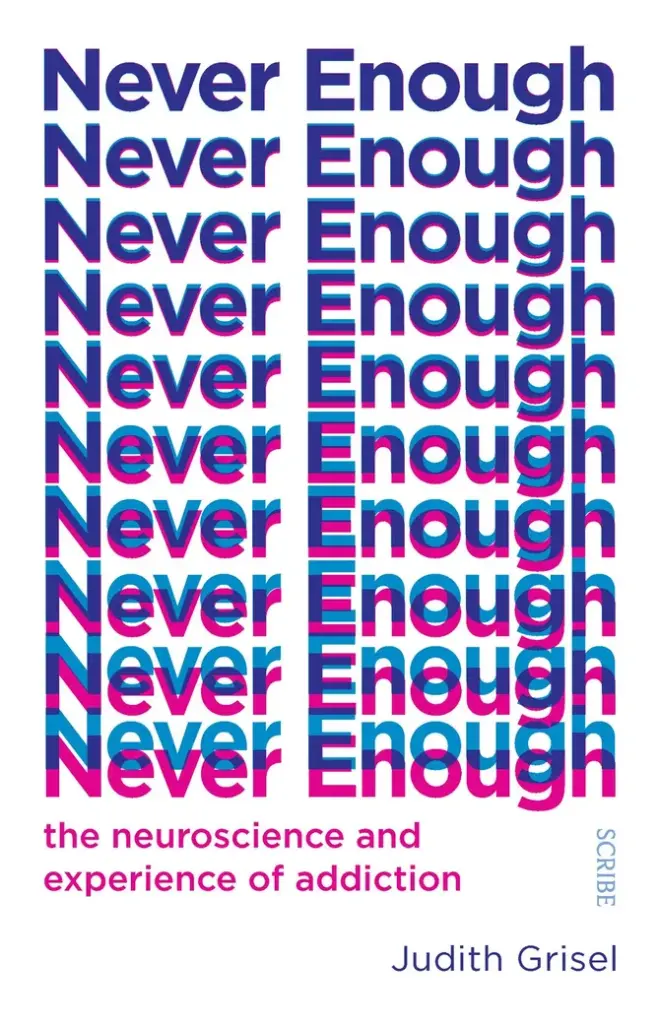
Book Review: Never Enough: The Neuroscience and Experience of Addiction by Judith Grisel
Become a member: Subscribe






























NTS Headlines
Headlines by Category
Headlines by Year
- Money & Markets
- Weekly Solari Reports
- Cognitive Liberty
- Solari Builders
- Ask Catherine
- News Trends & Stories
- Equity Overview
- War For Bankocracy
- Digital Money, Digital Control
- State Leader Briefings
- Food
- Food for the Soul
- Future Science
- Health
- Metanoia
- Solutions
- Spiritual Science
- Wellness
- Building Wealth
- Via Europa



































Solari’s Building Wealth materials are organized to inspire and support your personal strategic and financial planning.




Building Wealth
This 6-pillar curriculum teaches the basic literacy we need to be personally and financially successful and to do so in a manner in which together we evolve a culture that supports the emergence of an advanced human civilization.















Missing Money
Articles and video discussions of the $21 Trillion dollars missing from the U.S. government

Connect with the wider network of like-minded Solari subscribers using our in-house social media platform, Solari Connect.







Book Review
Never Enough
The Neuroscience and Experience of Addiction
Judith Grisel
“Thus the most profound law of drug use is this: there is no free lunch.”
~ Judith Grisel
Never Enough
The Neuroscience and Experience of Addiction
By Judith Grisel
Book Review
Never Enough
The Neuroscience and Experience of Addiction
By Tom Shaw
The amount of money and time that’s been poured into figuring out how to addict people is simply mind-boggling. That so many people in health and science would dedicate their lives to serious research on addicting and destroying their fellow man is a sad indictment of the current state of our society. It is one of the biggest industries in the world, forming an important part of the mind-control apparatus necessary for individuals to give up agency of their lives to Mr. Global.
The Solari Report has covered eye-opening books on various addictions in the past, such as Addiction by Design (gambling), Your Brain on Porn (porn), and Irresistible (technology). With her book Never Enough: The Neuroscience and Experience of Addiction, Judith Grisel focuses on chemical addiction, in particular from pharma and illicit drugs. The variety and number of addictive substances is astonishing.
What makes the book remarkable is the lived experience that Grisel brings to the discussion. Grisel has her own story of addiction to drugs and alcohol as a teenager—and her process of recovery is what sparked her 25-year quest to understand the science around what exactly addiction is and what happens in the body. She certainly accomplishes this, taking examples from her own experience and from those she has worked with to help break down the neuroscience of addiction, the indications that there are brain differences in individuals susceptible to addiction, and data and studies highlighting what a variety of drugs and substances do to us—both short- and long-term.
The drug category is only one basket of addictions—there are many more, including entertainment, sugar, and social media algorithms, to name a few. Yet, chemical addictions remain an important part of the onslaught of mind control that is targeted at people—especially young people—to get them to buy into a life of excessive top-down control.
Grisel explains:
“In the United States, more than a quarter of people over eighteen reported that they engaged in binge drinking during the previous month. This pattern is even more prevalent among college students, nearly 40 percent of whom reported binge drinking in the previous month. Whether cause or effect, about half of these students (20 percent) meet the criteria for an alcohol use disorder, and 25 percent report academic consequences from drinking. Binge drinking is risky for anyone, but particularly for those whose brains are still developing. The impact of high alcohol concentrations during this “plastic” period leads to lasting alterations in brain structure and function and is more likely to result in an alcohol use disorder. The converse is also true: one of the most effective ways to curtail the risk of addiction is to avoid intoxication during periods of rapid brain development.”
First and foremost, Grisel’s book is a warning on the dangers that socially “normalized” substances can pose for our youth. But for those who have sadly found themselves victims of these addictions, it also offers a foundation of knowledge from which to build a healthier life. Grisel makes a point of highlighting how addictions expose important aspects of an individual’s personality; these insights help us see what affected people really need to thrive.
Her ultimate conclusion? Addiction is not “cured” through manipulating the brain—it is found in how we form communities and how we teach people to manage what Grisel calls “the pains of living.” Creating spaces that encourage and nurture young people in finding their innate talents—instead of locking them into suppression of their freedom and chasing external addictions—is why initiatives like Solari Builders exist. Building pathways that help us and others create a free and inspired life is the ultimate defense against any addiction or coercive control—a defense powerful enough to make stories like Grisel’s a thing of the past.
Related at Solari
Book Review: Addiction by Design by Natasha Dow Schüll
Book Review: Your Brain on Porn by Gary Wilson
Sugar Addiction: Getting It, Ending It
Mind Control Tactics Used on Young People and Children (And Everyone Else)
Cognitive Liberty: The Battle for Human Consciousness in the Age of Technocracy
Action of the Week: July 22, 2024: Protect and Nurture a Healthy Spirit
Pushback of the Week: September 9, 2024: HOPE Sussex Community (HOPE)

Log in or subscribe to the Solari Report to enjoy full access to exclusive articles and features.
Already a subscriber?