
Destinations: Dordogne – Caves and Castles
Become a member: Subscribe
































NTS Headlines
Headlines by Category
Headlines by Year
- Money & Markets
- Weekly Solari Reports
- Cognitive Liberty
- Solari Builders
- Ask Catherine
- News Trends & Stories
- Equity Overview
- War For Bankocracy
- Digital Money, Digital Control
- State Leader Briefings
- Food
- Food for the Soul
- Future Science
- Health
- Metanoia
- Solutions
- Spiritual Science
- Wellness
- Building Wealth
- Via Europa






































Solari’s Building Wealth materials are organized to inspire and support your personal strategic and financial planning.



Building Wealth
This 6-pillar curriculum teaches the basic literacy we need to be personally and financially successful and to do so in a manner in which together we evolve a culture that supports the emergence of an advanced human civilization.















Missing Money
Articles and video discussions of the $21 Trillion dollars missing from the U.S. government

Connect with the wider network of like-minded Solari subscribers using our in-house social media platform, Solari Connect.












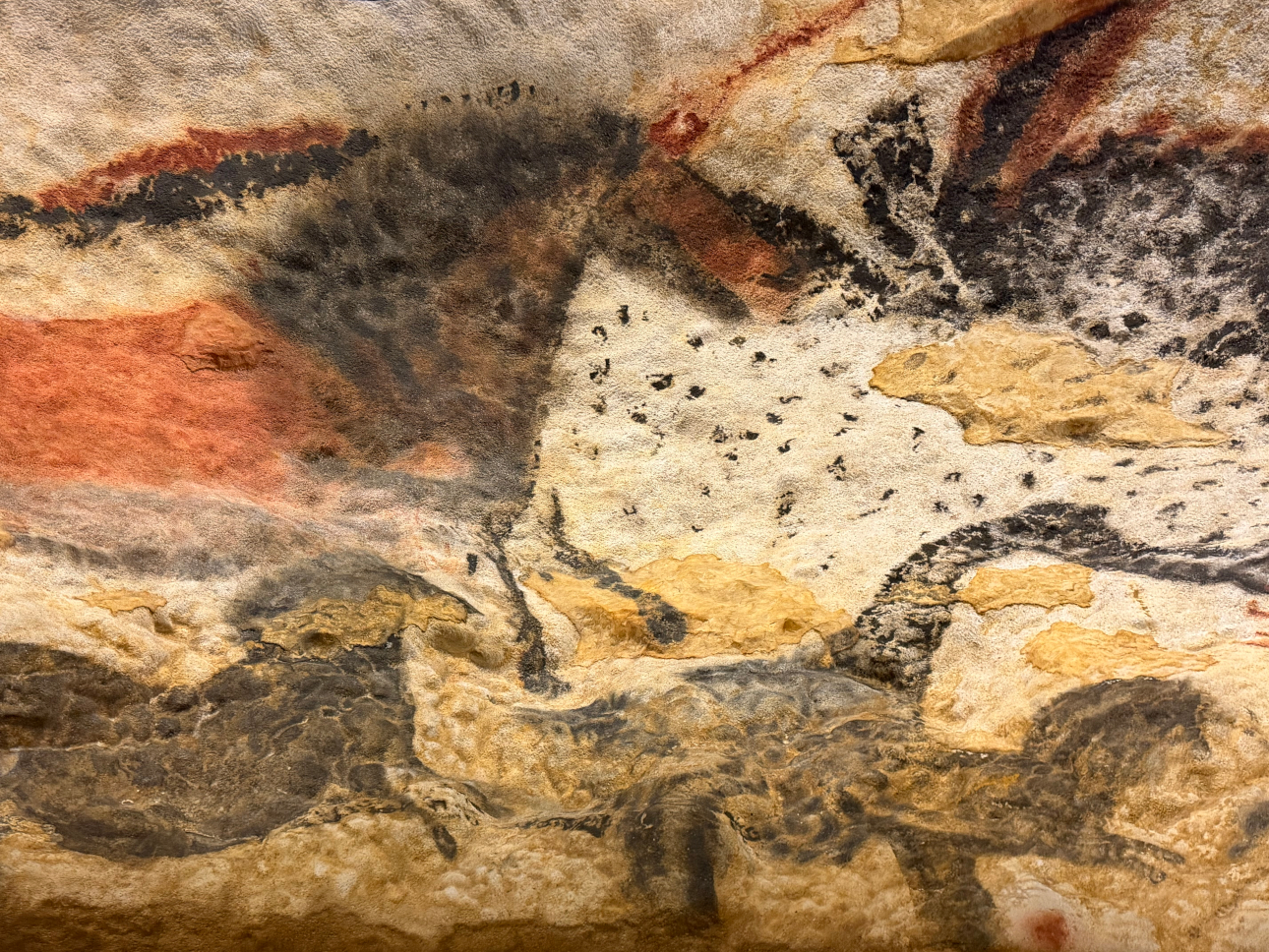
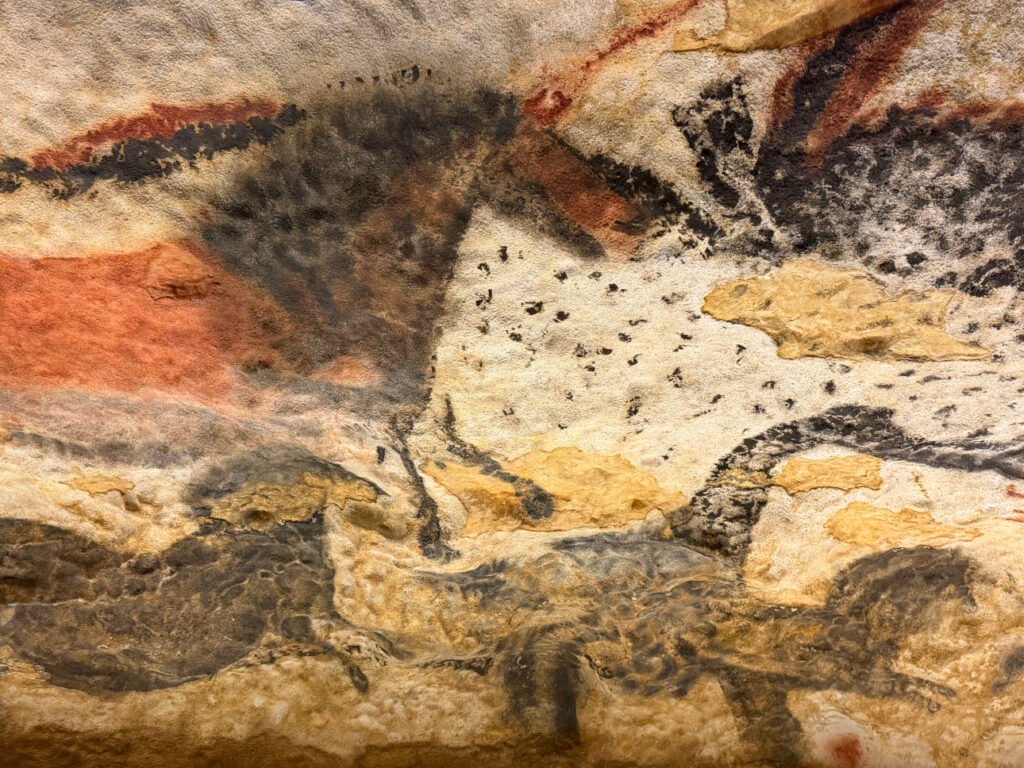
Replica of the Lascaux painting at the Lascaux IV museum display. Photo: © Victoria Heyn, 2026
Destinations: Dordogne – Caves and Castles
By Nina Heyn
First, some geography and history. Dordogne, the official name of a department in southwest France, covers a large swath of the country east of the coastal city of Bordeaux and belongs to the region of Aquitaine (what Julius Caesar referred to as “Aquitania” in his famous text on the Gallic wars). Dordogne is named after one of the main rivers flowing through this area. A somewhat smaller part of this land is referred to as Périgord, and even more precisely the part in the southeast is named Périgord Noir (from the dark color of its oak woods). This is the area that has the highest concentration of unique tourist attractions: castles, caves, canoe rides, medieval towns, world-famous farmers markets, wineries, gourmet restaurants, historic gardens, and hill trails for biking and horse riding. This is where French children learn history and grown-ups discover the joys of their gastronomical heritage.
The region’s “Dordogne” name could more or less be synonymous with “French history” because there is so much of it all over the valleys and hills that are criss-crossed with rivers, wineries, and centuries-old villages with churches and medieval castles. Dordogne is also a region considered as one of the cradles of mankind—the place where Homo sapiens (both the Neanderthal and our Cro-Magnon ancestor varieties) appeared in Europe the earliest, starting 250,000 years ago. It is the area with the highest concentration of prehistoric habitation sites, including the famous Lascaux cave, which is sometimes called the Sistine Chapel of prehistoric art.
Log in or subscribe to the Solari Report to enjoy full access to exclusive articles and features.
Already a subscriber?