





































































Become a member: Subscribe

NTS Headlines
Headlines by Category
Headlines by Year
- Money & Markets
- Weekly Solari Reports
- Cognitive Liberty
- Young Builders
- Ask Catherine
- News Trends & Stories
- Equity Overview
- War For Bankocracy
- Digital Money, Digital Control
- State Leader Briefings
- Food
- Food for the Soul
- Future Science
- Health
- Metanoia
- Solutions
- Spiritual Science
- Wellness
- Building Weatlh
- Via Europa




Solari’s Building Wealth materials are organized to inspire and support your personal strategic and financial planning.

Building Wealth
This 6-pillar curriculum teaches the basic literacy we need to be personally and financially successful and to do so in a manner in which together we evolve a culture that supports the emergence of an advanced human civilization.

Missing Money
Articles and video discussions of the $21 Trillion dollars missing from the U.S. government

Connect with the wider network of like-minded Solari subscribers using our in-house social media platform, Solari Connect.
No posts
Movie of the Week
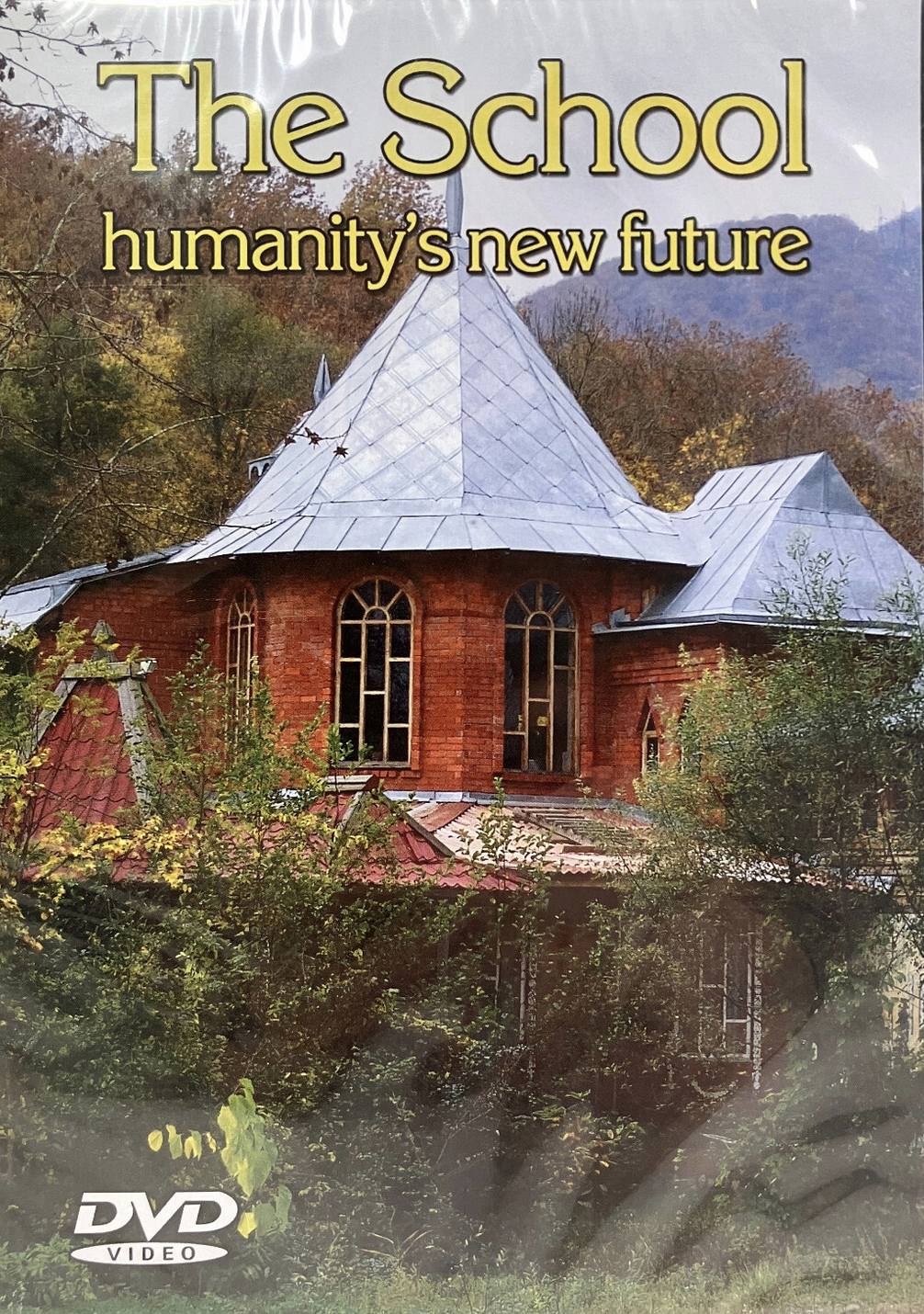
The School
Humanity’s New Future
January 17, 2026
“We work on the human being.”
~ Mikhail Petrovich Schetinin
Movie of the Week
The School
Humanity’s New Future
As Solari launches its first course for Young Builders, it seems like a good time to draw attention to the powerful 30-minute documentary titled The School: Humanity’s New Future, which we first took note of back in 2012.
The film is a tribute to the pedagogical innovations of Mikhail Petrovich Schetinin (1944–2019), an academician of the Russian Academy of Education. Schetinin described the purpose of his pioneering educational approach as:
“[T]he elevation of the human being, to act in harmony with society, a human being who is able to see and analyse the phenomena around him and who can feel their interconnectedness, perceive the world as a whole.”
Schetinin started his first school in 1972 but suffered repeated harassment from the Soviet authorities, relocating the school multiple times. After the collapse of the Soviet Union, his school was able to take root in 1994 in the village of Tekos in Krasnodar Krai (in the North Caucasus region in Southern Russia), earning UNESCO recognition in 1999, a mere five years later, as one of the world’s best pedagogical systems.
The Tekos Lyceum ran successfully for 25 years, but in 2019, officialdom once again interfered and shut it down. The youthful-looking Schetinin died that same fall at the age of 75.
Missouri beekeeper Dr. Leo Sharashkin, who produced The School and, for a time, taught in Tekos with Schetinin, has described the school as a place where the 8- to 22-year-old students did not “prepare themselves for life” but rather, “live[d] every moment they breathe[d].”
Solari’s very own Young Builder Ricardo Oskam notes some of the features that were standouts of this innovative school that apparently was too threatening to the status quo to be allowed to stand:
- The school gave students responsibility over every aspect of both teaching and running the operation, empowering them to do things that conventional schools would not even dream of, such as designing and building their campus.
- The students—none of whom were overweight—lived in synergy with nature, growing their own food, taking cold plunges in the river, and studying out of doors.
- They also maintained a higher culture through regular activities such as dancing, drawing, singing, and mastering ancient folk crafts.
- Rather than the bullying that one observes in many Western educational environments, the students exuded a sense of camaraderie and worked together in mixed-age groups, with older students taking on teaching roles and, as one writer puts it, serving as “mature, natural authority models for the younger ones.”
On that latter point, the school’s philosophy emphasized service to others: “When they stud[ied], they [did not] worry about grades, but about how they [would] explain what they [had] learned to other classmates and how they [would] be able to pass it on.”
Unfortunately, Dr. Sharashkin’s Deep Snow Press no longer appears to sell the DVD; we encourage you to hunt down a copy elsewhere, as this is a film you will want to continue sharing with others.
In the meantime, you can watch The School HERE.

Log in or subscribe to the Solari Report to enjoy full access to exclusive articles and features.
Already a subscriber?