




































































































By Breeauna Sagdal
Every holiday season, millions of Americans chase 5% cash back on toys, electronics, and groceries. What few realize is that credit card “rewards” aren’t free—they’re baked into the price of everything on the shelf, driving up costs for everyone.
The cash back scheme increases the costs of consumer goods, food, fuel, and services for everyone. Cash and debit users—often lower-income families—get nothing back but still pay the markup.
Federal Reserve research reveals that cash back rewards are funded almost entirely by interchange (“swipe”) fees—hidden charges to merchants that can range from 1.1% to 3.2%. A portion of the fee goes to card companies such as Visa and Mastercard, and the rest goes to the cardholder’s issuing bank—for example, Chase—on every credit card transaction.
Card companies pay for cash back rewards by raising their swipe fees. Beleaguered merchants then pass on the cost of the fees to consumers through higher retail prices. The result? A massive, invisible wealth transfer.
According to Motley Fool, the average U.S. household pays an extra $1,200 annually in inflated prices because of credit card fees.
Corporate payments adviser CMSPI—in a report from 2024 titled “Unwrapping Card Fees This Holiday Season”—notes that credit card fees spike during the holidays:
“Of the $20.06 billion in merchant card fees forecasted for the period between November and December, credit card fees account for over half.”
This is consistent with Federal Reserve findings on Q4/holiday spikes in card transaction volumes (typically 20%–30% of annual value in two months), which directly drives interchange revenues. It’s estimated that November and December account for about 25% of annual interchange fees despite being just two months of the year.
During the 2024 holiday shopping season, CMSPI estimated that U.S. retailers would pay enough money in swipe fees to cover the salaries of seasonal employees.
“To put that cost into perspective, the $20.06 billion [in holiday season fees paid by merchants] represents enough money to pay the estimated 400,000-500,000 seasonal workers hired this year an annual wage of $41,000-$52,000.”
With shoppers flocking to high-reward cards, retailers embed even higher costs into Black Friday deals and “doorbuster” prices.
That $500 TV on sale? Roughly $10 of its price exists only to cover expected rewards-card fees.
Rewards cards also carry higher interest rates. According to LendingTree, cash back cards average 24.18% APR (annual percentage rate) vs. 17.9% for basic low-interest cards—offsetting those rewards. Carry a $3,000 balance and you’ll pay $725 in interest annually, instantly wiping out years of 1% to 2% rewards.
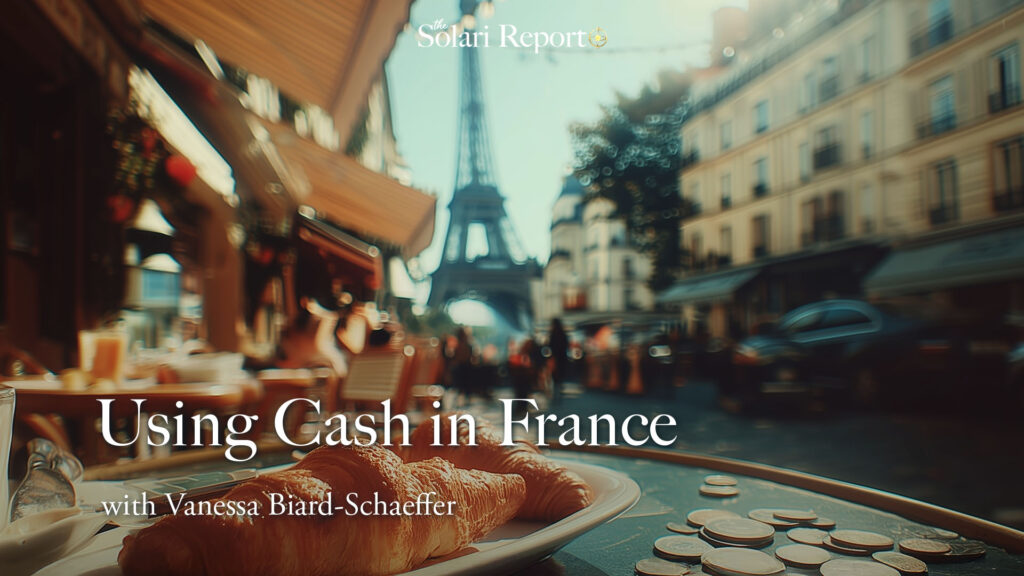
This holiday season, give the gift of affordability by paying with cash and skipping the wealth transfer. Remember: If you choose to swipe for that cash back “bonus,” it’s coming from your own wallet—and it’s also increasing costs for merchants and your neighbors.