



























































































Programmable payment systems have two separate layers: programmability and the underlying currency to be transferred. Thus, while you can program a credit card, for example, to only allow certain transactions and reject others or even to predict a likelihood of a transaction being unauthorized and then automatically getting denied (and a third party, such as a bank or government, could block it as well), you are still using the credit card to transfer something else: dollars. And the underlying dollars are not programmable. Hence, even if the credit card fails to complete your transfer, you can still take your dollars from your account and pay with them, for example, in cash.
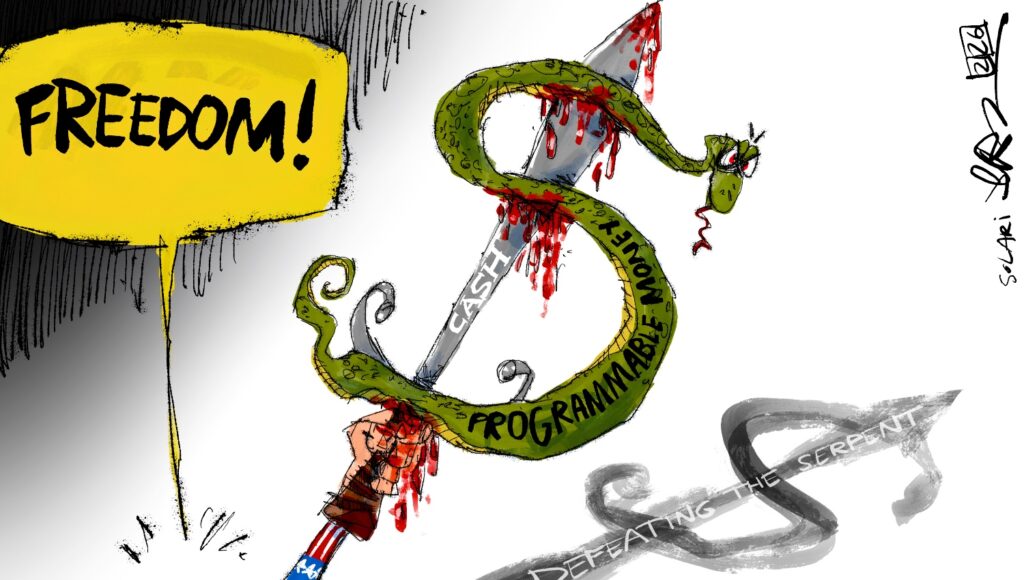
With programmable money, there is no second layer. The money itself is programmable. Hence, you are not dealing with dollars but with a digital token that has the programmability features directly baked in. Thus, if the token is programmed not to allow you to use it for whatever reason, your token (or virtual coin) itself no longer has the utility you expected when you acquired it.
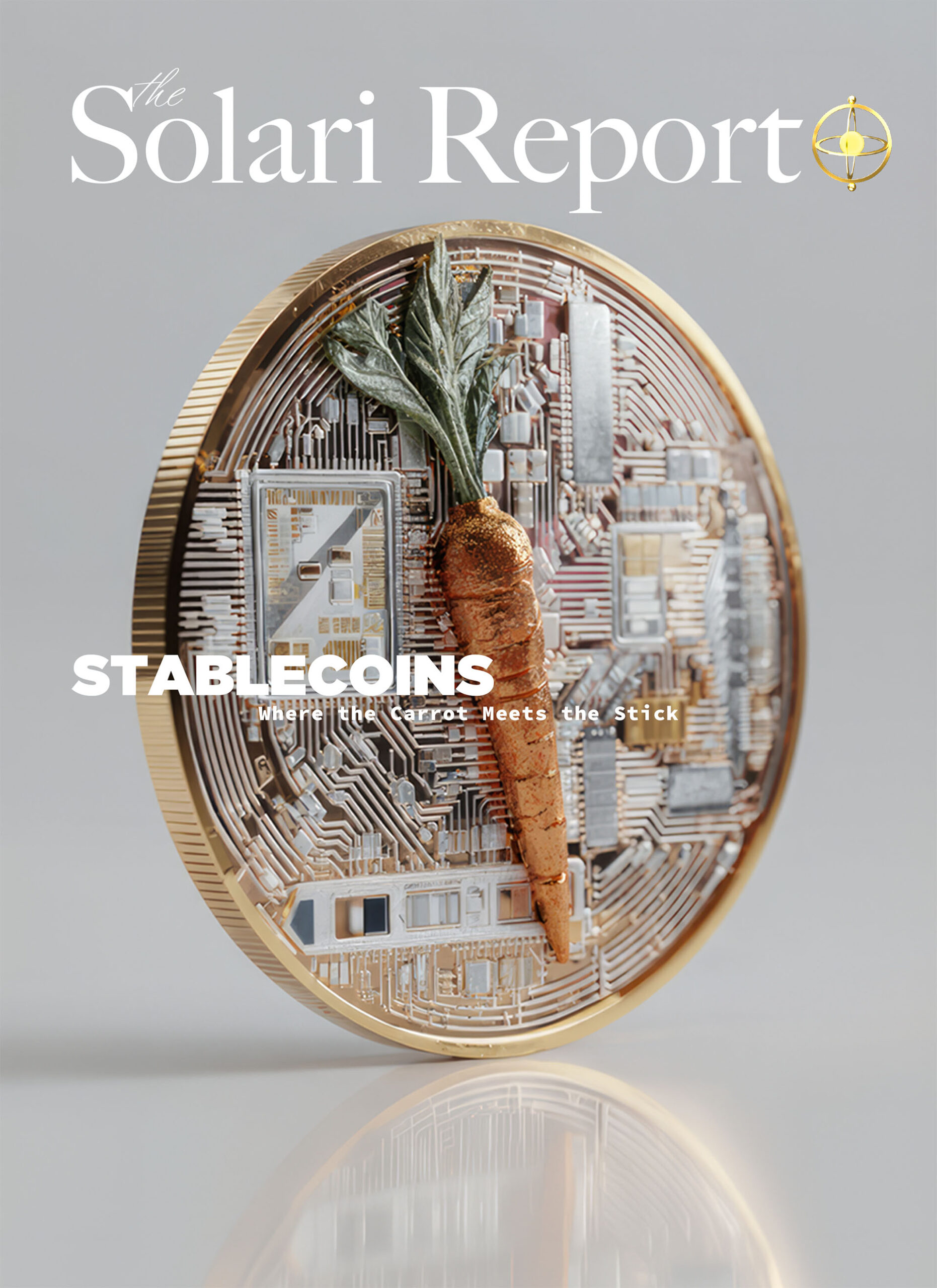
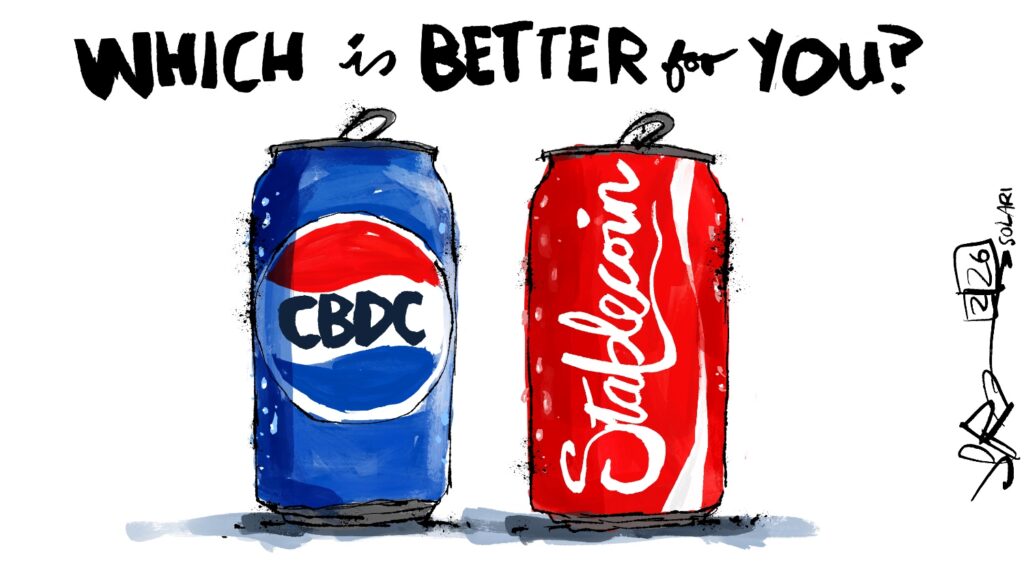
Programmable money is a very new concept. Prior to cryptocurrencies, programmable money did not exist. Today, there are three main kinds of programmable money: cryptocurrencies, stablecoins, and CBDCs (central bank digital currencies).
The two existential threats to freedom—surveillance and potential for coercion (by turning off your money or limiting how you can use it)—in principle exist for both programmable payment systems and programmable money; however, the second component (potential for coercion as a result of programmability) only becomes a serious threat when you no longer have the layer of underlying non-programmable money. For that reason, programmable money is far more dangerous than programmable payment systems, which have been around for decades (because programmable payment systems still have the underlying layer of non-programmable money, they are a lot harder to abuse for coercion).