












Introduction
“The essence of all beautiful art, all great art, is gratitude.”
~ Friedrich Nietzsche
By. Catherine Austin Fitts
I am an optimist because I appreciate the realm of possibility. I love art when it invites me into what is true, what is beautiful, and, on special occasions, what is possible.
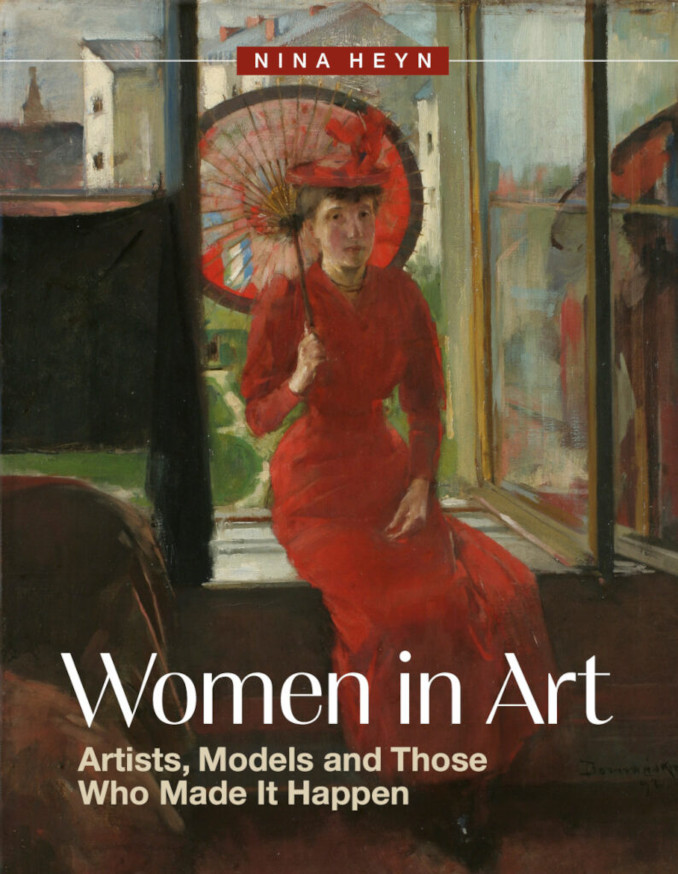
Whenever one is confronted by a thorny problem that appears difficult, if not impossible, to solve, the solution emerges by considering that there is always a way—and invariably, that way is revealed through love. This is why Nietzsche was right when he said that the essence of great art is gratitude. The sun rises each morning and inspires the earth to feed us with constant cycles of harvest. This is perhaps the greatest of gifts, but great art does the same. This may be why Nina Heyn calls her column and website Food for the Soul.
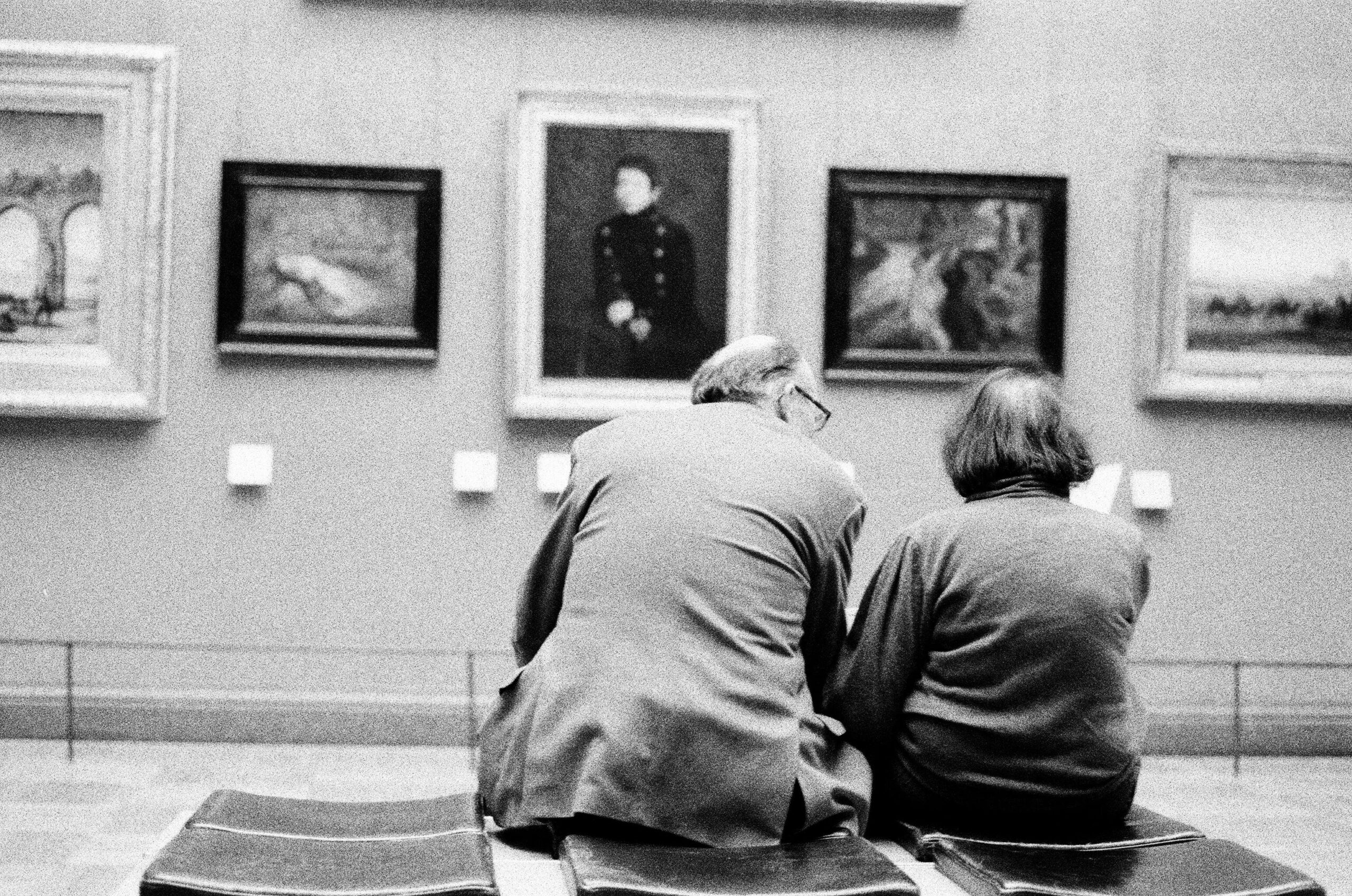
In the mid-1990s, I attended a private dinner at the Philadelphia Museum of Art (later renamed the Philadelphia Art Museum), followed by a viewing of a Cézanne exhibit. Able to observe each painting closely and at length, I realized that Cézanne’s intelligence was alive—embedded in the paintings and still connecting with me energetically in the field.
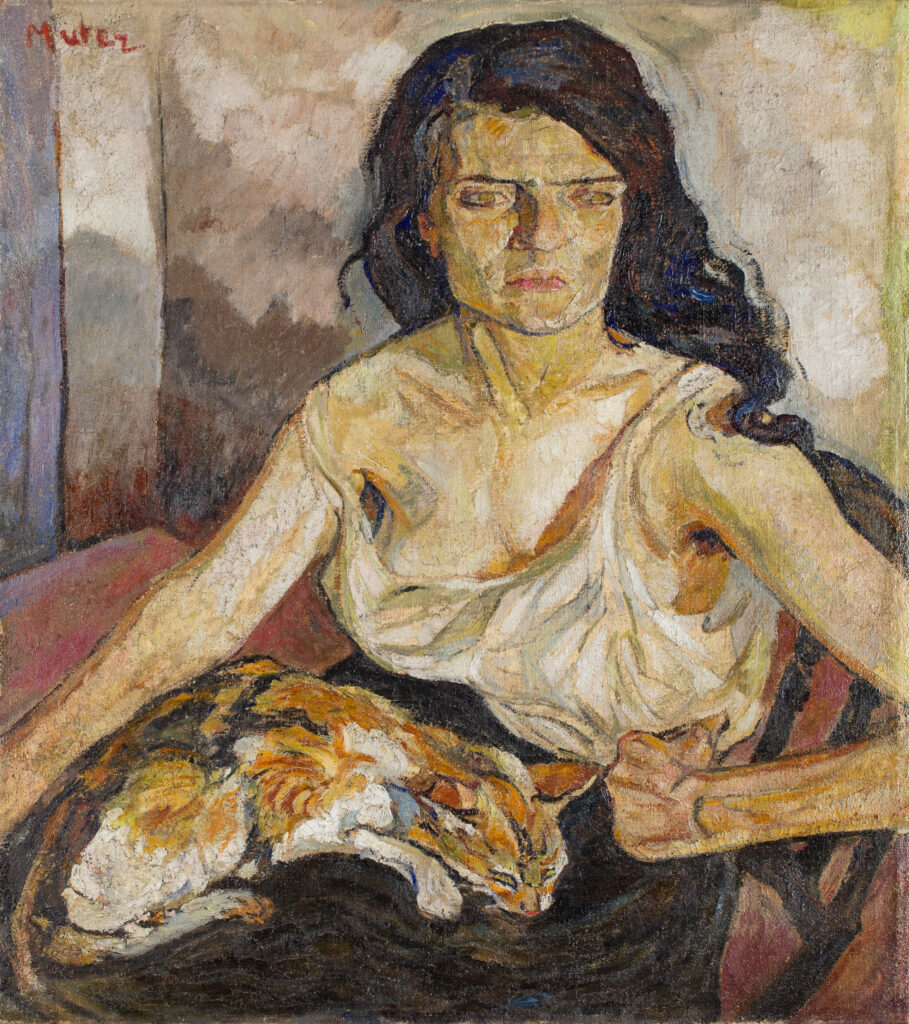
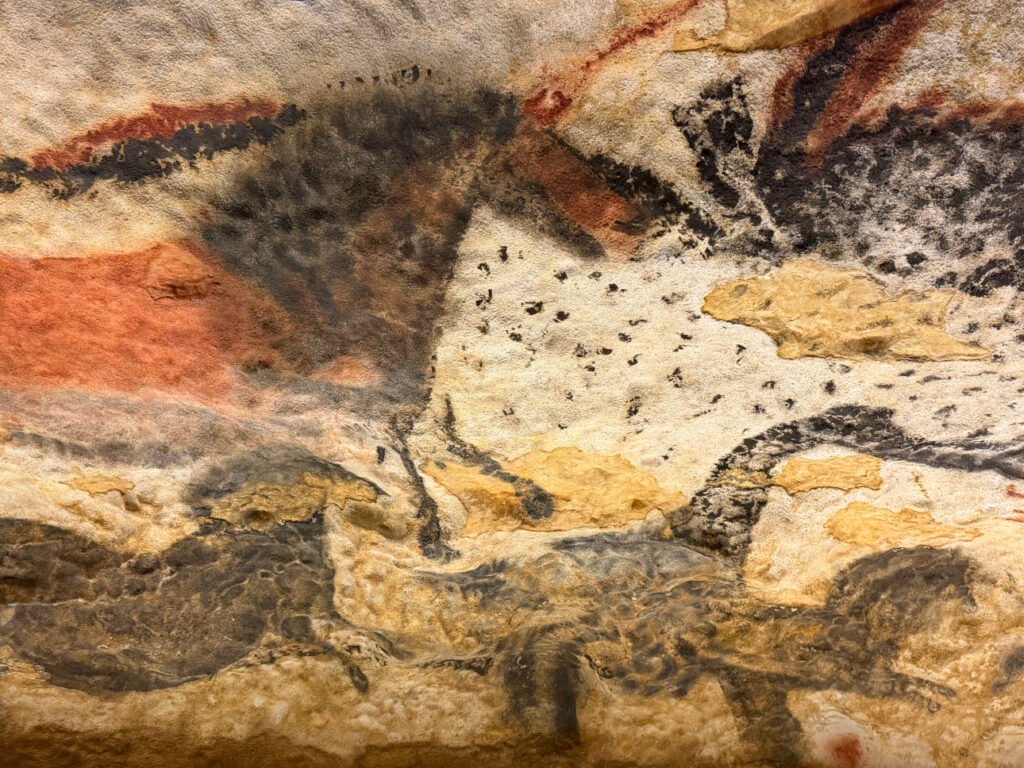
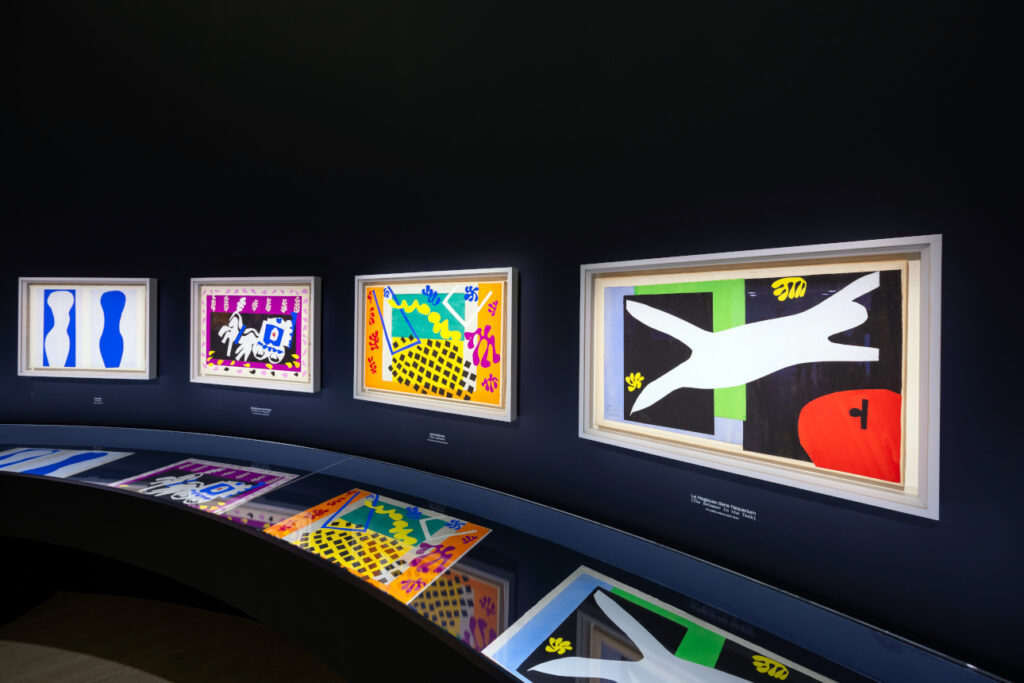
The presumed Chinese proverb, “One picture is worth ten thousand words,” has become trite, but it is still true. In fact, art that I love has marked my life journey, like cairns marking a hiking trail above the tree line. Whether paintings, sculptures, or great musical compositions, art consistently has inspired me to commit to what is true and important—what it is that makes life worth living. William Wordsworth speaks to this:
But for those first affections,
Those shadowy recollections,
Which, be they what they may
Are yet the fountain-light of all our day,
Are yet a master-light of all our seeing;
Uphold us, cherish, and have power to make
Our noisy years seem moments in the being
Of the eternal Silence: truths that wake,
To perish never
~ William Wordsworth, “Ode: Intimations of Immortality
from Recollections of Early Childhood”
In preparing this introduction, I made a list of all the paintings that I have owned or admired that hold great meaning—works that have played an important role in my life. I was struck by both the length of the list and the realization of how much these works of art have contributed to my strength, endurance, and joy: a sculpture of a prancing horse head that I commissioned, a Chinese scroll, a Tang Dynasty porcelain horse, a Leonardo da Vinci helicopter etching, a large oil painting of a Victorian woman who looked just like my grandmother, a Milanese Renaissance etching of lovers, a Thomas Hart Benton painting and prints—and the list goes on. As I am known to say, “Beauty is necessary for survival.” Indeed, loving art has seen me through many hard times. That included selling the valuable pieces when that was the price of keeping the enterprise on solid ground.
For decades, I have tried to understand what makes places wealthy. Often, I come back to the importance of culture and art. One of my favorite Food for the Soul stories is presented in this compilation of Loving Art reflections: “Women Who Made It Happen – The Last of the Medicis.” In the essay, Nina tells the story of the Italian princess who bestowed her Medici art collection to the city of Florence. She writes:
“Had Anna Maria Luisa not stipulated in her will that the entire Medici collection was to remain the unsellable, inseparable property of the city of Florence, it is likely that the most unique and precious art of Renaissance Italy would have ended up in the hands of British collectors in the 19th century and American dealers in the 20th century. Florence is no longer a center of the cloth trade, as it was in the Middle Ages, nor is it the banking power that it was in the Renaissance, nor is it a seat of regional political power, as it was in the Baroque. None of the things that were so important to the men who ruled Tuscany—whether the Medici or the Lorraine-Savoy dynasties—lasted into our times. What remains to this day, continuing to ensure Florence’s wealth and importance, is the art, largely preserved by this princely will. The princess used her position and foresight to create a gift of art that has kept on giving for centuries.”
Loving art is ultimately about you and what feeds your soul. It is about what provides you with a lighthouse and inspiration in the storm. This is deeply personal—an intimate choice.
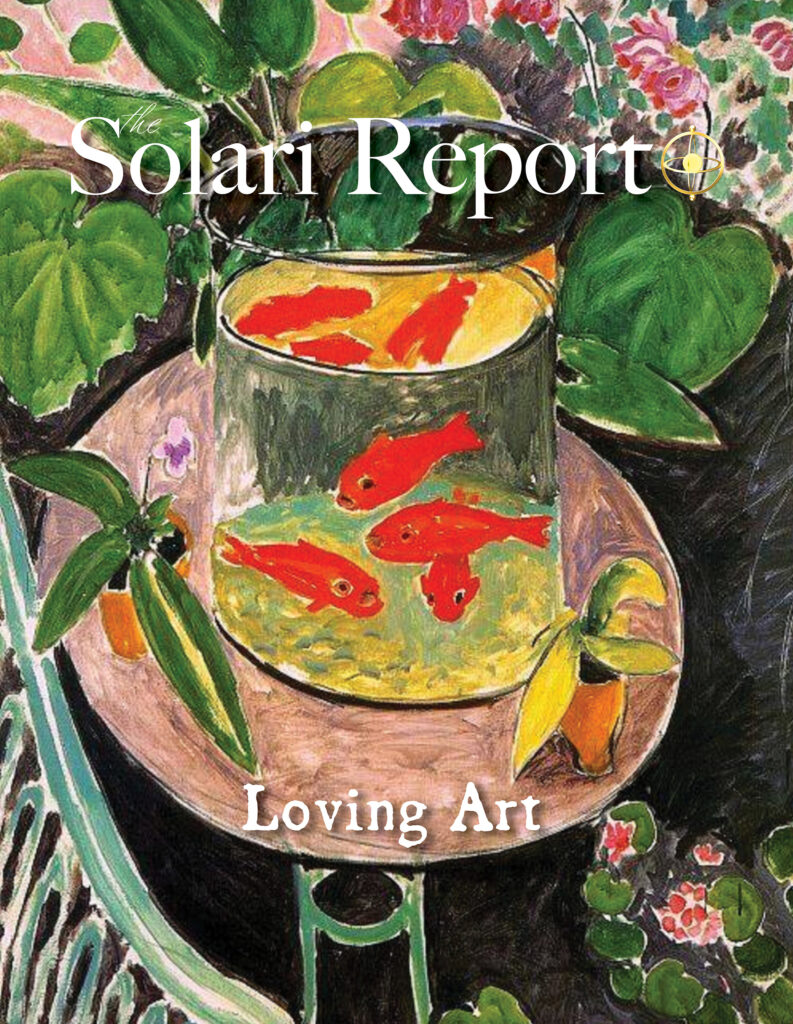
Centuries of the world’s finest art are available to you. You can visit it in museums, download it, frame prints from it, copy it. In whatever ways you choose to enjoy art, the Solari team hopes that Nina Heyn and Loving Art offer some of the magic that can come in dangerous times when you invite it in.
Catherine Austin Fitts
November 22, 2025
Stavoren, Netherlands