
























































































Idaho State Legislature – House Business Committee: Written Testimony of Catherine Austin Fitts
March 2, 2026











(PDF Available Here)
In Support of H0750: AN ACT RELATING TO PROGRAMMABLE MONEY
Chairman Redman and Members of the Committee:
Thank you for the opportunity to address you today.
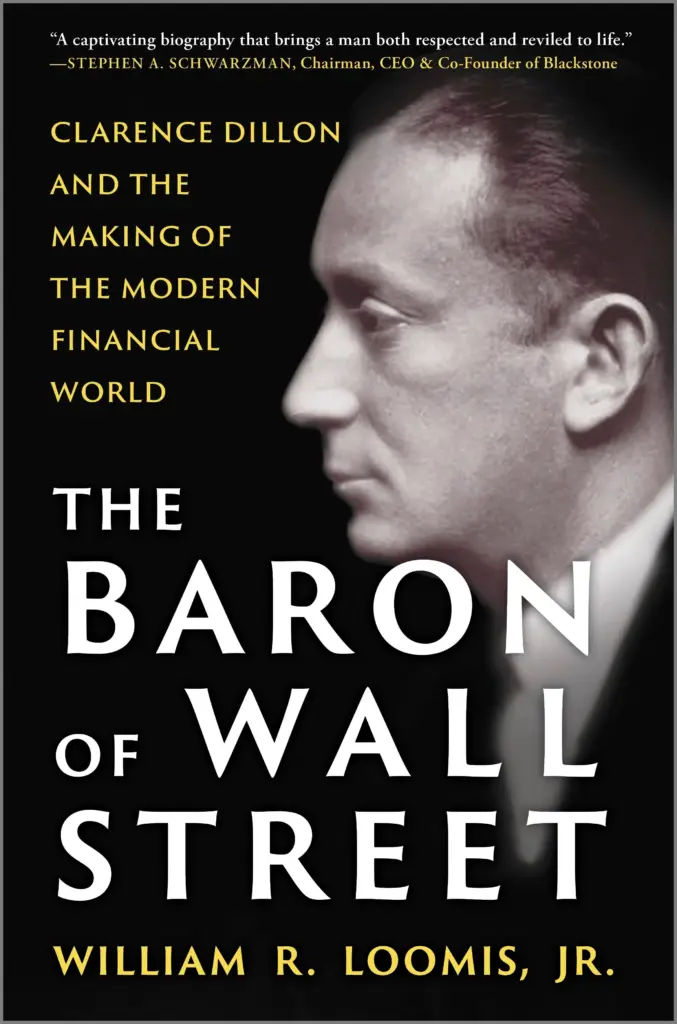
My name is Catherine Austin Fitts. I served as Assistant Secretary of Housing – FHA Commissioner in the first Bush Administration and as managing director and member of the board of Wall Street investment bank Dillon, Read & Co. Inc. I was the founder of Hamilton Securities Group. I have designed and closed over $25 billion of transactions and investments to-date and led portfolio and investment strategy for $300 billion of financial assets and liabilities. As the President of Solari Inc, I publish the Solari Report and manage Solari Investment Screens.
Solari has worked on model legislation to help ensure that private crypto-stablecoins and digital assets – do not integrate programmable functions that can be used to increase surveillance and tracking of citizens and, when integrated with applications using AI, can become programmable money. This is money that can control where we go, what we do, who we do it with and literally turn off and take our money and assets.
I support this bill. It is important to pass it as soon as possible.
For several years, states have been concerned that programmable money issued directly by the central banks in the form of Central Bank Digital Currencies (CBDCs) could threaten or even end state and individual sovereignty and constitutional rights. As a result, some states have moved to restrict the use of CBDCs.
Six states have removed CBDCs from the definition of money and some from a definition of bank deposits: Indiana, Florida, South Dakota, Utah, Tennessee and Arkansas. An additional five states have passed laws prohibiting their agencies from testing, accepting and/or in some cases advocating CBDCs: Alabama, North Dakota, Georgia, Louisiana and North Carolina.
Last year, in 2025, the US Congress passed the GENIUS Act which created a regulatory framework for stablecoins issued by banks and non-banks, including states. Stablecoins are crypto issued on a distributed ledger, like blockchain, that try to maintain stable prices by pegging to another currency, commodity, or another crypto.
Stablecoins issued under the GENIUS Act will be fully backed by Treasury bills and bank deposits. Once the regulations have been finalized in late 2026 or early 2027, both the US Treasury and stablecoin issuers anticipate significant growth of outstanding stablecoins in the US and globally.
What does this have to do with programmable money? All stablecoin issuers are required to integrate a rules system managed by the US Treasury designed to help enforce Know Your Customer and money laundering laws and regulations as well as, presumably, sanctions. This mechanism could be used to apply a fully developed social credit system.
The US House passed the CLARITY Act in 2025 to establish a regulatory framework for digital assets. The Senate is still working on its version. The Senate Banking Committee has released a discussion draft called the Responsible Financial Innovation Act. It is expected that a final version will pass this year providing a final regulatory framework for digital assets. Based on our reading of the existing bill drafts, there is nothing to stop these digital assets from becoming programmable money that impairs or ends state and individual sovereignty and Constitutional rights. Larry Fink, CEO of BlackRock, the largest asset manager in the world, has stated repeatedly that digital assets will be used to trade all stocks and bonds. Consequently, the potential for aggressive growth of digital assets is likely.
Combined aggressive growth of stablecoins with aggressive growth of digital asset will result in a large amount of potentially programmable money that could present a clear and present danger to Idaho’s people and economy. In my opinion privately issued digital money that is programmable is potentially more dangerous than CBDCs. The US central bank was created by Congress and has reporting obligation to Congress and is subject to a public mission. Many of the potential issuer of stablecoins and digital assets operate with less oversight, less transparency and reporting obligations and some have a demonstrated record of criminal conduct and financial fraud.
There is an old saying that the time to put the bridle and saddle on the horse is before it leaves the barn. Taking the steps now to ensure that the people of Idaho are protected from the application of programmable money in a form that would compromise state sovereignty and the freedoms and rights of the people of Idaho, means that financial innovation can happen in Idaho, but within the guardrails that protect our Constitutional blessings. This is important to do now, before the growth of stablecoins and digital assets and their integration with growing surveillance and tracking infrastructure and AI capacity.
The bill under consideration, H0750, provides Idaho with the necessary guardrails. Technology is moving quickly. Let’s make sure financial innovation serves Idaho, instead of extracting value from its people and enterprises in unconstitutional ways with programmable money.
Thank you Chairman Redman and members of the Committee for taking the time to consider this bill. I am happy to answer any questions you may have. Thank you for the opportunity to address you today.
Related Links:
The GENIUS Act and Its Implications for Financial Freedom
Already a subscriber?

Our mission is to help you live a free and inspired life. This includes building wealth in ways that build real wealth in the wider economy. We believe that personal and family wealth is a critical ingredient of both individual freedom and community, health and well-being.
Nothing on The Solari Report should be taken as individual investment, legal, or medical advice. Anyone seeking investment, legal, medical, or other professional advice for his or her personal situation is advised to seek out a qualified advisor or advisors and provide as much information as possible to the advisor in order that such advisor can take into account all relevant circumstances, objectives, and risks before rendering an opinion as to the appropriate strategy.
Be the first to know about new articles, series and events.
Your cart is currently empty!
Notifications