







































































Food for the Soul: Gainsborough at the Frick
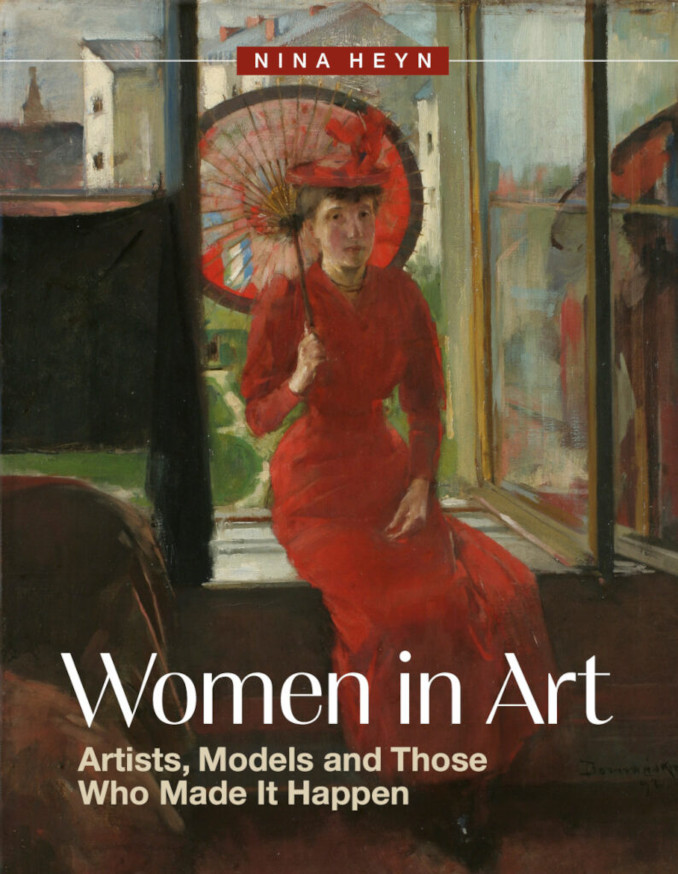
By Nina Heyn
April 16, 2026










No posts
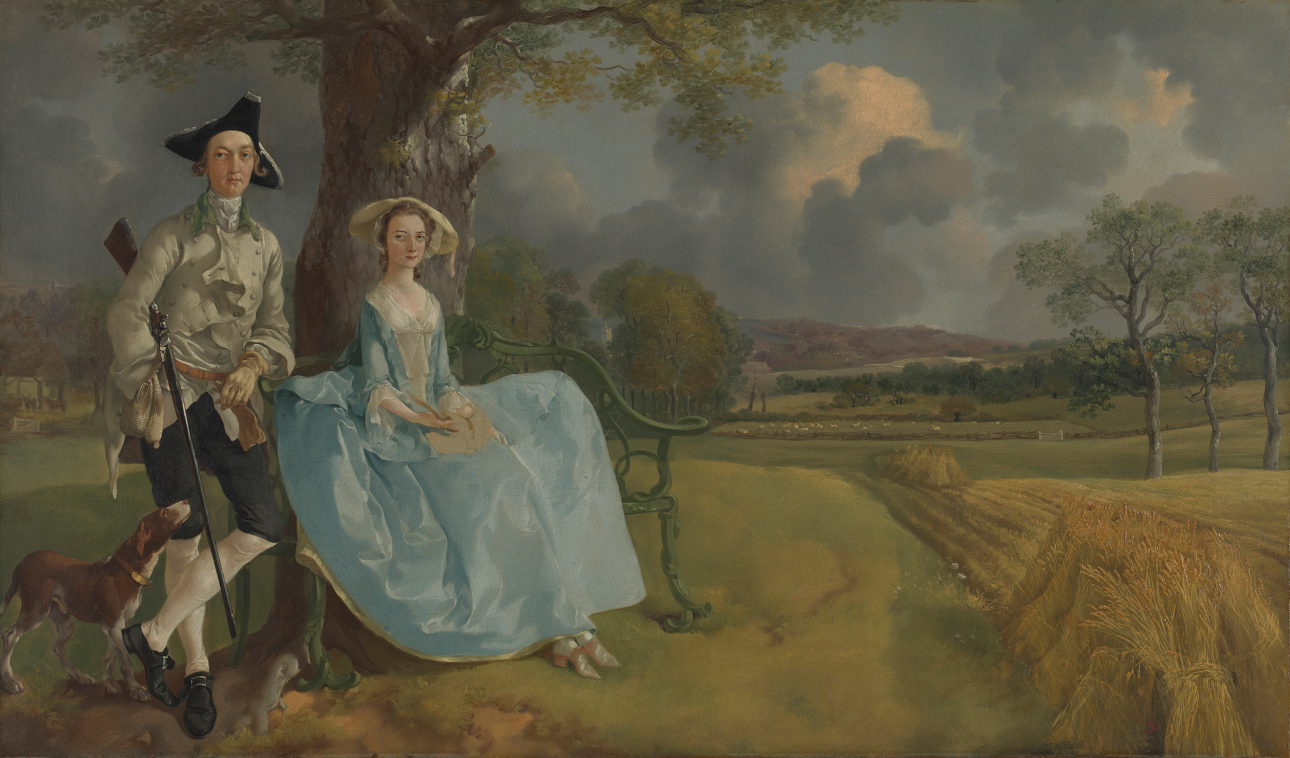
Rapid changes in social and material status can create a social group called the nouveau riche—people who suddenly gain wealth and influence but lack the refinement that comes with generations of elevated social position. Even though the term itself is from the 20th century, the phenomenon has existed for much longer. In France, such a class appeared with the enrichment of the bourgeoisie throughout the 1800s; in contemporary society, such classes have arisen with digital revolutions (in the U.S. and India) or with political and social changes (in China, Russia, and Eastern Europe).
In the England of the late 1700s, the Industrial Revolution and colonial expansion created such a class as well. And this is what Thomas Gainsborough (1727-1788) portrayed in his famous, early canvas titled Mr. and Mrs. Andrews. […] Gainsborough is the subject of a new exhibition in the recently refurbished Frick museum. Titled Gainsborough: The Fashion of Portraiture, the exhibition brings together various well-known examples of the artist’s bread-and-butter activity of portraying the rich and famous, looking their best in sophisticated clothing. Because his father was a trader in luxury fabrics, the artist was very attuned to the subtleties of the silks, laces, and muslins gracing his illustrious models.
Already a subscriber?

Our mission is to help you live a free and inspired life. This includes building wealth in ways that build real wealth in the wider economy. We believe that personal and family wealth is a critical ingredient of both individual freedom and community, health and well-being.
Nothing on The Solari Report should be taken as individual investment, legal, or medical advice. Anyone seeking investment, legal, medical, or other professional advice for his or her personal situation is advised to seek out a qualified advisor or advisors and provide as much information as possible to the advisor in order that such advisor can take into account all relevant circumstances, objectives, and risks before rendering an opinion as to the appropriate strategy.
Receive your free copy of Coming Clean
Be the first to know about new articles, series and events
Your shopping cart is empty
Notifications