
Food for the Soul: Henri Rousseau: A Painter's Ambition
Become a member: Subscribe

























NTS Headlines
Headlines by Category
Headlines by Year
- Money & Markets
- Weekly Solari Reports
- Cognitive Liberty
- Solari Builders
- Ask Catherine
- News Trends & Stories
- Equity Overview
- War For Bankocracy
- Digital Money, Digital Control
- State Leader Briefings
- Food
- Food for the Soul
- Future Science
- Health
- Metanoia
- Solutions
- Spiritual Science
- Wellness
- Building Wealth
- Via Europa




































Solari’s Building Wealth materials are organized to inspire and support your personal strategic and financial planning.

Building Wealth
This 6-pillar curriculum teaches the basic literacy we need to be personally and financially successful and to do so in a manner in which together we evolve a culture that supports the emergence of an advanced human civilization.










Missing Money
Articles and video discussions of the $21 Trillion dollars missing from the U.S. government

Connect with the wider network of like-minded Solari subscribers using our in-house social media platform, Solari Connect.







No posts
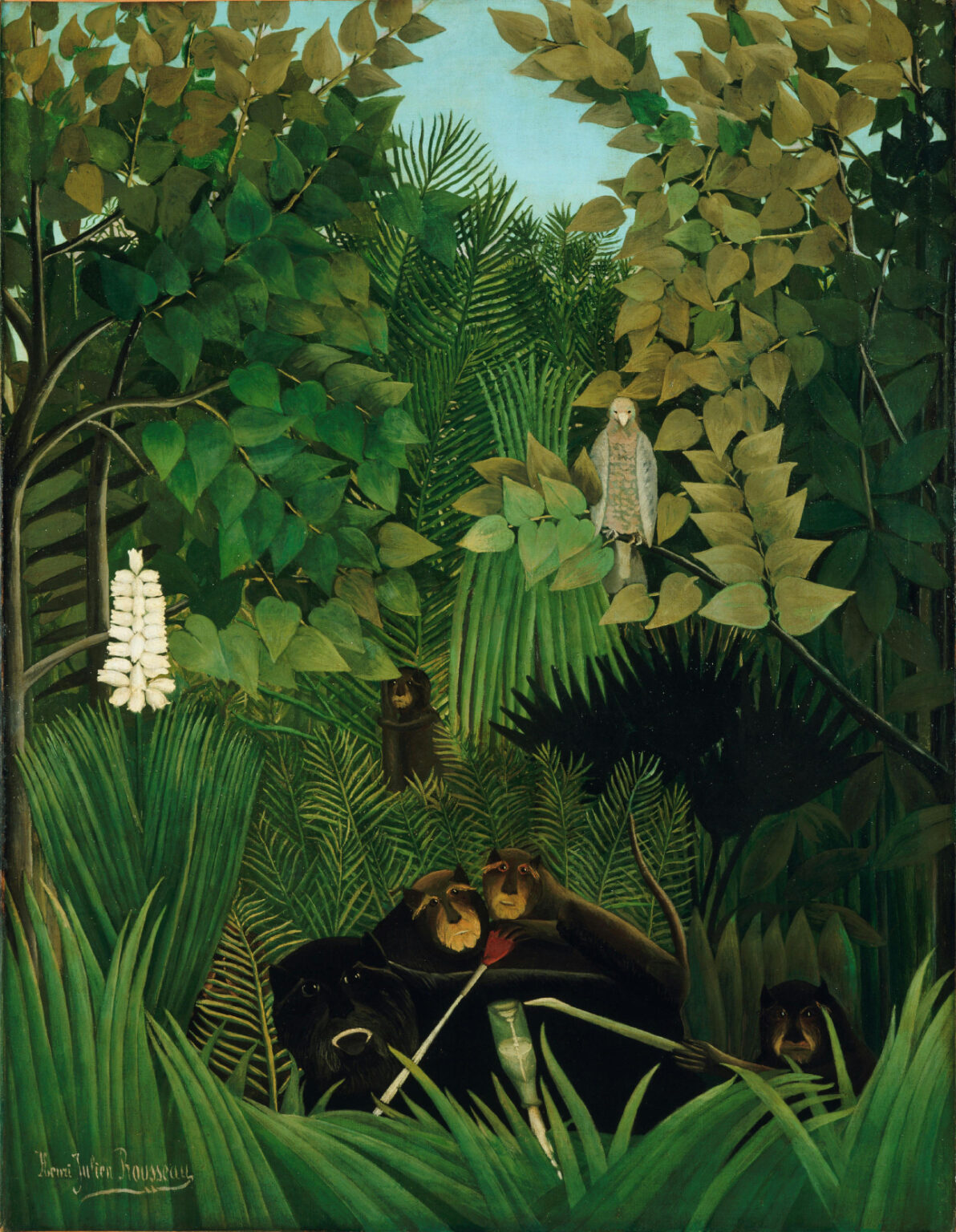
Henri Rousseau. The Merry Jesters, 1906. Oil on canvas. Philadelphia Museum of Art. The Louise and Walter Arensberg Collection 1950. Photo: Wikimedia Commons
Food for the Soul: Henri Rousseau: A Painter’s Ambition
By Nina Heyn
When we think of Henri Rousseau (1844-1910) we evoke his paintings of jungles and monkeys, which are indeed what made him immortal, but this self-taught painter started with something else. He embarked on the path of an artist when he was a middle-aged man holding the mundane job of tax collector at the Seine port (“customs officer” was the erroneous but catchy moniker given to him by the poet Alfred Jarry).
His early works depicted his surroundings (the Paris suburb of Laval), portraits of his family, and his first customers: a grocer to whom he owed money or the parents of a small girl who wanted her portrait. The picture called Père Junier’s Cart is as unsophisticated as it is utterly charming—an entire family is on an outing in a simple two-wheel cart, with one grey terrier who scored seating, and two other dogs, perhaps strays, running next to the cart. The horse sports a jaunty mane, and the trees have every leaf painted in. While this painting helped Rousseau pay his grocery bills, it still remained in the category of “naïf art” and could not compete with the “fine art” that filled the Louvre and Luxembourg museums. However, Rousseau was unshaken in his conviction that his style had its place among French culture. In fact, he was quite obsessed with achieving professional recognition.
Related at Solari
Log in or subscribe to the Solari Report to enjoy full access to exclusive articles and features.
Already a subscriber?

Henri Rousseau is a painter that requires the reader of the painting to keep looking at the work until the details all pop. Interesting selection, thoughtful posting. Enjoy the food for the soul pieces.