
Food for the Soul: “Metamorphoses” in Amsterdam
Become a member: Subscribe































NTS Headlines
Headlines by Category
Headlines by Year
- Money & Markets
- Weekly Solari Reports
- Cognitive Liberty
- Solari Builders
- Ask Catherine
- News Trends & Stories
- Equity Overview
- War For Bankocracy
- Digital Money, Digital Control
- State Leader Briefings
- Food
- Food for the Soul
- Future Science
- Health
- Metanoia
- Solutions
- Spiritual Science
- Wellness
- Building Wealth
- Via Europa

































Solari’s Building Wealth materials are organized to inspire and support your personal strategic and financial planning.


Building Wealth
This 6-pillar curriculum teaches the basic literacy we need to be personally and financially successful and to do so in a manner in which together we evolve a culture that supports the emergence of an advanced human civilization.














Missing Money
Articles and video discussions of the $21 Trillion dollars missing from the U.S. government
Connect with the wider network of like-minded Solari subscribers using our in-house social media platform, Solari Connect.









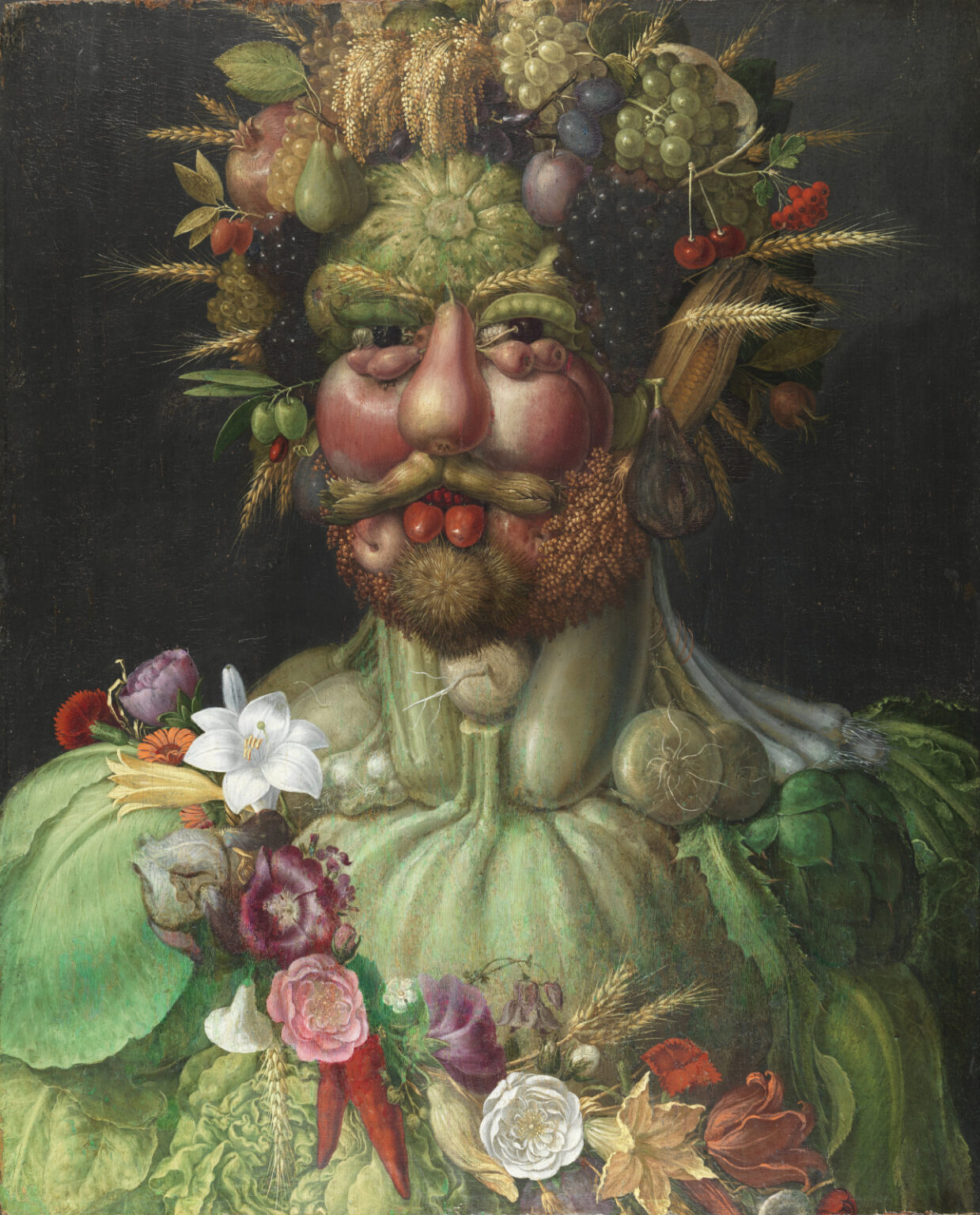
Giuseppe Arcimboldo. Emperor Rudolph II as Vertumnus, 1590. Oil on panel. Statens Historiska Museer, Skokloster Slott, Sweden. inv.nr. 11615. Photo: Courtesy The Rijksmuseum
“No work from classical antiquity, either Greek or Roman, has exerted such a continuing and decisive influence on European literature as Ovid’s Metamorphoses.”
~ Ian Johnston
Food for the Soul: “Metamorphoses” in Amsterdam
By Nina Heyn
Sometimes it is good when an art exhibition is not reduced to a predictable subject like “masterpieces of xx artist” or “the art of xx period.” Metamorphoses—an exhibition curated jointly by the Rijksmuseum in Amsterdam and Galleria Borghese in Rome—takes as its theme the famous book by antiquity poet Ovid, creating a bridge between centuries of art and literature and our modern sensibilities.
The original work by the Roman poet was an epic consisting of 15 books (“sections”), 250 myths and stories, and a thematic scope of the “history of the world” from the creation of mankind to Julius Caesar (Ovid was born at the beginning of Caesar’s reign). The myths and stories told by Ovid have served as inspiration for countless works of literature, including by Chaucer and most notably Shakespeare, as well as all the Renaissance and Baroque artists whose paintings, decorations, and sculptures illustrated Ovidian stanzas. His flowery poems have fed artists’ and writers’ imaginations for centuries. In the Renaissance, they dominated intellectual life, while during the Enlightenment they waned somewhat (Ovid was not then so popular). In later centuries, his tales again became fertile ground for realists, symbolists, and surrealists alike.
Related at Solari
Food for the Soul: Feast for the Eyes (see “Vegetables and Fruit”)
Log in or subscribe to the Solari Report to enjoy full access to exclusive articles and features.
Already a subscriber?