
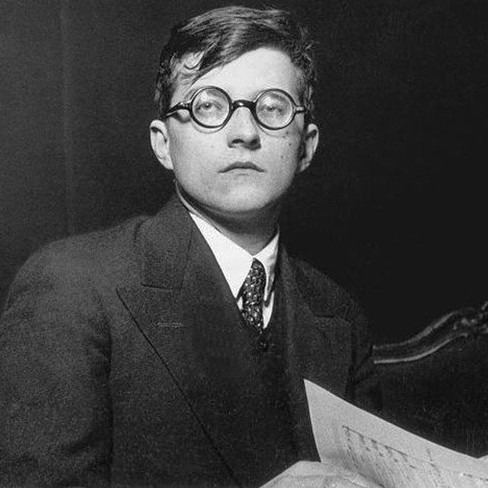
Music of the Week: May 1, 2026: Dimitri Shostakovich – Symphony No. 3 “The First of May”
Become a member: Subscribe



















NTS Headlines
Headlines by Category
Headlines by Year
- Money & Markets
- Weekly Solari Reports
- Cognitive Liberty
- Solari Builders
- Ask Catherine
- News Trends & Stories
- Equity Overview
- War For Bankocracy
- Digital Money, Digital Control
- State Leader Briefings
- Food
- Food for the Soul
- Future Science
- Health
- Metanoia
- Solutions
- Spiritual Science
- Wellness
- Building Wealth
- Via Europa






















Solari’s Building Wealth materials are organized to inspire and support your personal strategic and financial planning.

Building Wealth
This 6-pillar curriculum teaches the basic literacy we need to be personally and financially successful and to do so in a manner in which together we evolve a culture that supports the emergence of an advanced human civilization.














Missing Money
Articles and video discussions of the $21 Trillion dollars missing from the U.S. government
Connect with the wider network of like-minded Solari subscribers using our in-house social media platform, Solari Connect.







Music of the Week
Symphony No. 3 “The First of May”
Dimitri Shostakovich
Dmitri Shostakovich’s early Symphony No. 3 in E-flat major, commonly known as The First of May, is one of his often-overlooked works, probably due to its Soviet communist connotations.
It sits at the crossroads between Shostakovich’s youthful experimentation and the political pressures that would increasingly influence his career in Stalinist Russia.
The symphony is a highly experimental composition, structured, unlike a traditional symphony, as a single continuous movement rather than divided into separate sections. This gives the work a sense of unfolding, where musical ideas evolve and transform without clear breaks. One of its most distinctive features is the choral finale. Toward the end, a choir enters to sing a propagandistic text (words by the poet Kirsanov) celebrating May Day, the international workers’ holiday and a national holiday of Russia since 1889.



Log in or subscribe to the Solari Report to enjoy full access to exclusive articles and features.
Already a subscriber?

It is realy lovely to go for a adventure in music i this way Thank You!
When I was im Moscow for my work I bought an Rahmaninov LP. heavy stuff 🙂
“This” have parts really lovely Best regards/ Marona
This was a great way for me to celebrate my birthday on the 10th of May. Magnificent. Loved the conductor.