
Food for the Soul: Renoir and Love
Become a member: Subscribe































NTS Headlines
Headlines by Category
Headlines by Year
- Money & Markets
- Weekly Solari Reports
- Cognitive Liberty
- Solari Builders
- Ask Catherine
- News Trends & Stories
- Equity Overview
- War For Bankocracy
- Digital Money, Digital Control
- State Leader Briefings
- Food
- Food for the Soul
- Future Science
- Health
- Metanoia
- Solutions
- Spiritual Science
- Wellness
- Building Wealth
- Via Europa






































Solari’s Building Wealth materials are organized to inspire and support your personal strategic and financial planning.



Building Wealth
This 6-pillar curriculum teaches the basic literacy we need to be personally and financially successful and to do so in a manner in which together we evolve a culture that supports the emergence of an advanced human civilization.










Missing Money
Articles and video discussions of the $21 Trillion dollars missing from the U.S. government

Connect with the wider network of like-minded Solari subscribers using our in-house social media platform, Solari Connect.









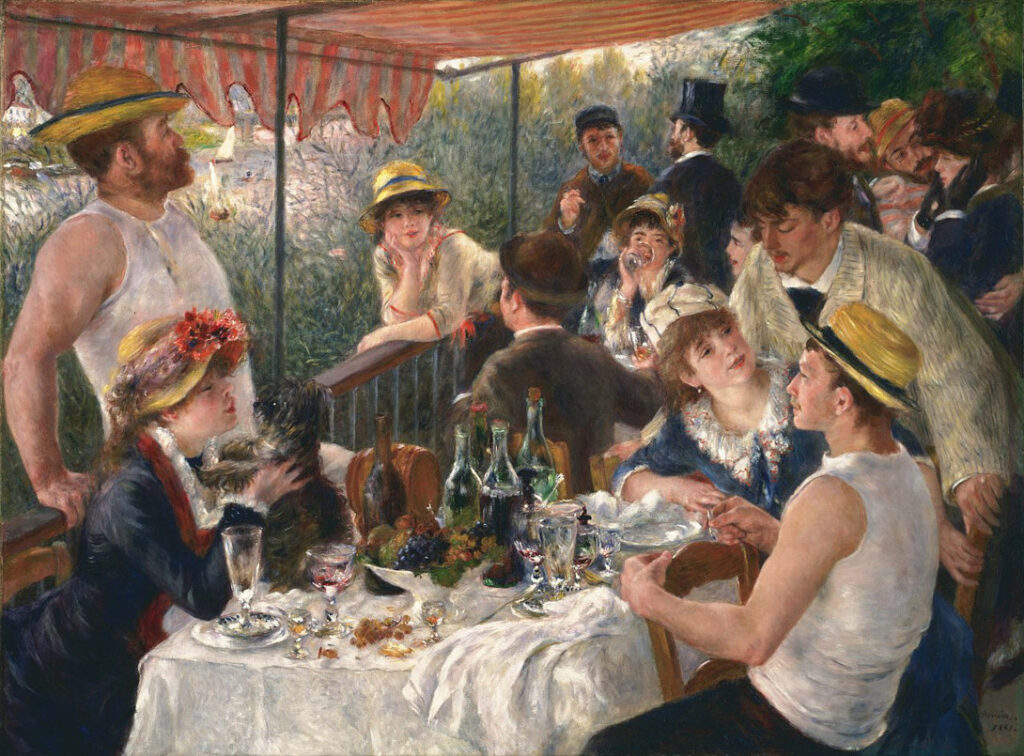
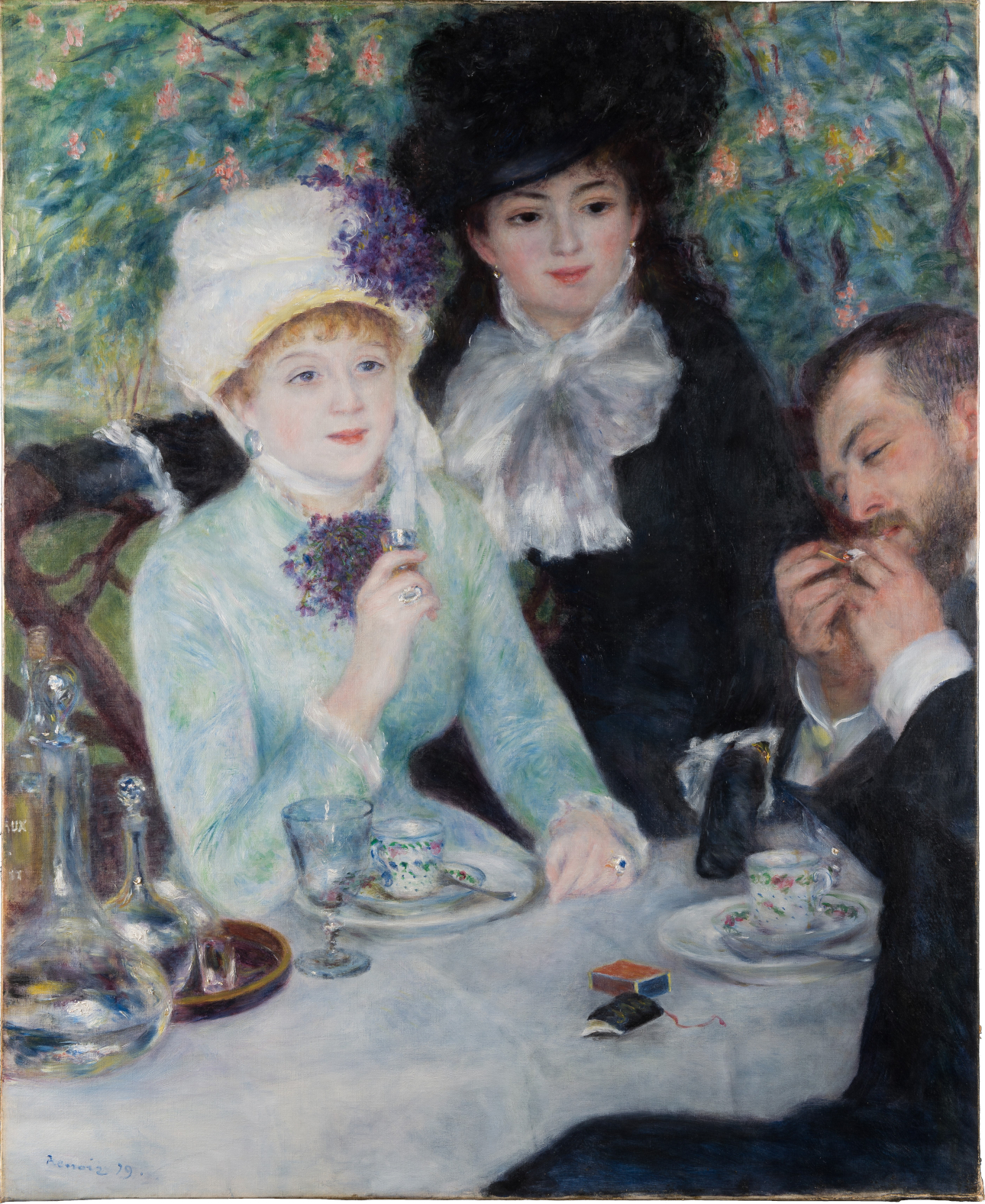
Pierre-Auguste Renoir. The End of Lunch, 1879. Oil on canvas. State Museum, Frankfurt am Main, acq. 1910, SG 176. Photo: © Städel Museum, Frankfurt am Main
Food for the Soul: Renoir and Love
By Nina Heyn
Imagine that it is 1871 in Paris. The city, and in fact the whole country, are recovering from a brutal Franco-Prussian war as well as a revolt of Communards that has destroyed many Paris streets and buildings. In the art world, the paintings considered most prestigious are historical and mythological tableaux that depict violence—battles, conflicts, rapes of nymphs, abductions of women, mutilations of men. Real people in the streets are not faring well either—the post-war poverty is forcing young women into prostitution, children into begging, and men into backbreaking labor. Life in Paris is portrayed by Degas in pictures of laundresses yawning from exhaustion and by Toulouse-Lautrec in portraits of cabaret singers and street alcoholics, while Courbet is painting peasants toiling in the fields.
Into this world of real hardship and academic art violence comes Pierre-Auguste Renoir, a young artist who has a different point of view.
Log in or subscribe to the Solari Report to enjoy full access to exclusive articles and features.
Already a subscriber?