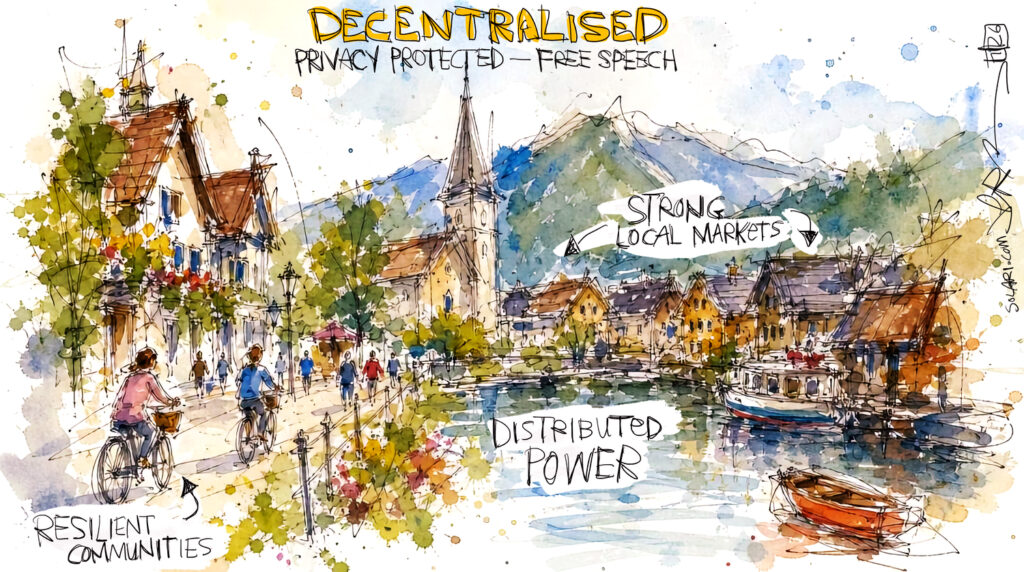
This 6-pillar curriculum teaches the basic literacy we need to be personally and financially successful and to do so in a manner in which together we evolve a culture that supports the emergence of an advanced human civilization.
Composed in 1924, Rhapsody in Blue is one of George Gershwin’s most celebrated works and a landmark in American music. It was written to bridge the worlds of classical music and jazz, combining rhythmic vitality with the expressive range of classics.
The title also reflects this free, episodic structure, a rhapsody being a composition in a single movement that unfolds without following a strict classical form. The phrase “in Blue” alludes not only to the genre of American blues but also to the “blue notes” (notes played at a slightly lower pitch) and jazz harmonies that give the piece its distinctive color. Gershwin originally wanted to call it American Rhapsody, but his brother Ira Gershwin—after seeing an exhibition of the color-coded paintings of James McNeill Whistler—suggested Rhapsody in Blue.
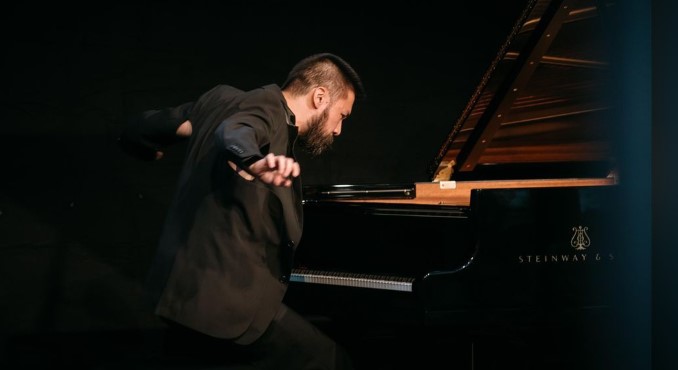
Our selection of this widely played piece introduces you to pianist Conrad Tao, who is regarded as one of the most distinctive pianists of his generation, not only because of his extraordinary technical ability but also because he is an accomplished composer and programmer of concerts. Rather than treating the standard repertoire as museum pieces, he often places classical works alongside contemporary music, jazz, improvisation, or even dance collaborations.
That background is obviously relevant to Rhapsody in Blue. Tao’s approach is well suited to Gershwin because he is equally comfortable inhabiting both the classical and jazz music worlds.