This 6-pillar curriculum teaches the basic literacy we need to be personally and financially successful and to do so in a manner in which together we evolve a culture that supports the emergence of an advanced human civilization.
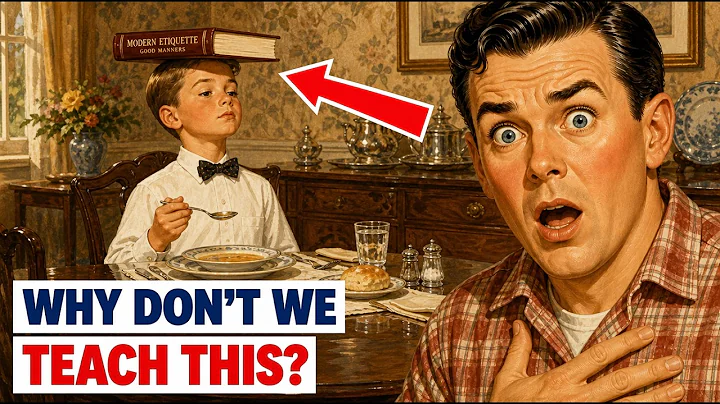
“[Kids in the 1950s were] taught … 100 small rules about how to treat the people around [them]. Those rules had a name. We called them manners—and we killed them. Not slowly, not by accident. We decided they were ‘stuffy’ and ‘old-fashioned’ and got rid of them on purpose, one generation at a time.”
America’s Forgotten Fathers describes itself as a video channel about “the working fathers and grandfathers of mid-century America, and the quiet wisdom they lived by.” The channel’s 20 or so videos outline knowledge, skills, habits, and manners that have been largely lost to our youth since the mid-20th century.
Two of the videos focus on the forgotten skills and experiences that shaped the lives of boys and girls in the 1950s, including the ability to tie six different kinds of knots (boys) and bake bread without a recipe (girls). They also highlight the “unsupervised mobility”—such as the freedom to play in the woods or bike to a local pond with no helicopter parents in sight—that young people of that era enjoyed. Another of the channel’s videos highlights the seismic cultural shifts that have taken place with regard to manners and discipline.
The video narration is a bit wooden, but the archival photos and footage serve to illustrate some of the ways that modern youth have been shortchanged. The good news? “Vintage skills” are making a comeback, particularly in homeschooling and unschooling households—and kids are excited to learn them.