
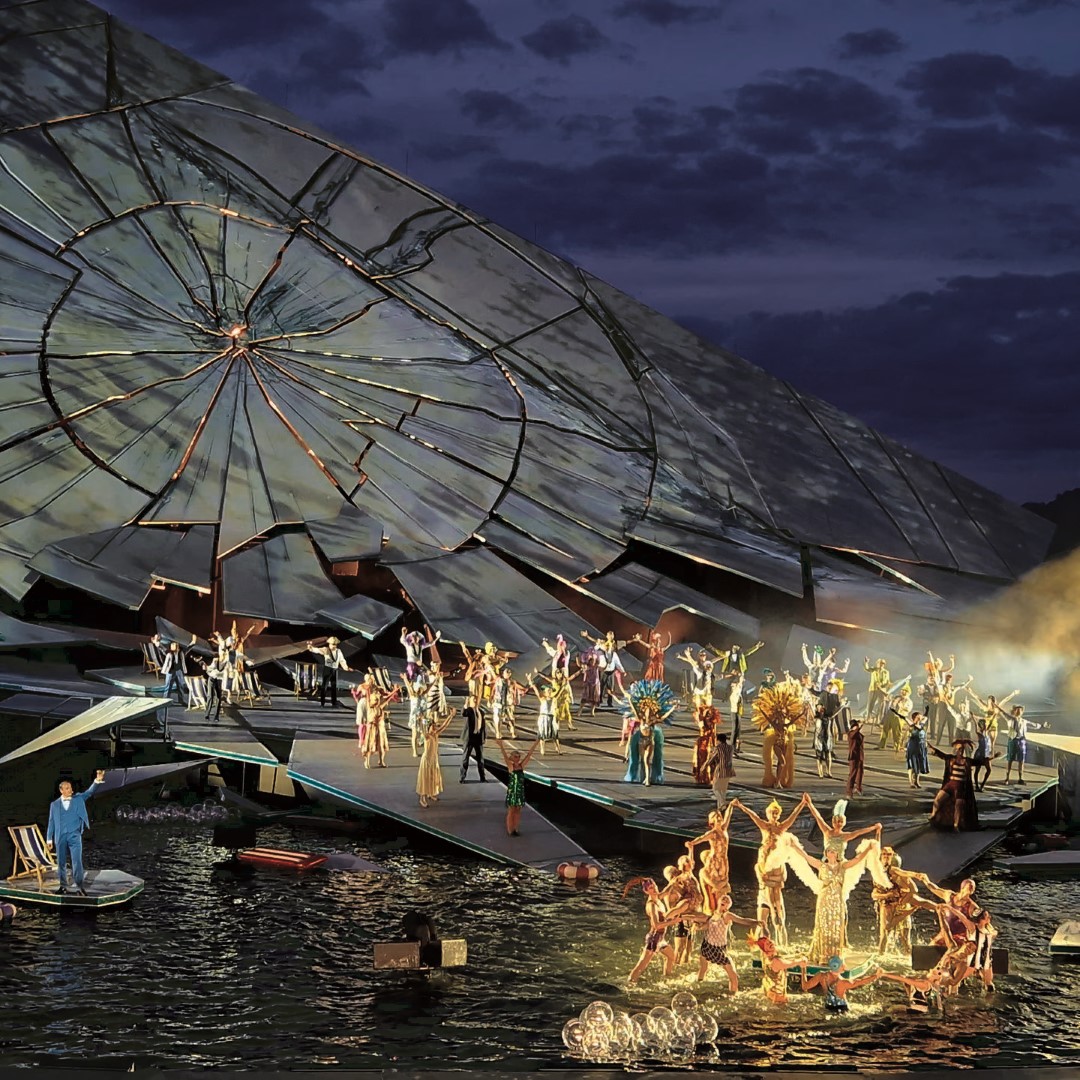
Music of the Week: July 31, 2026: Giuseppe Verdi – La traviata
Become a member: Subscribe


























NTS Headlines
Headlines by Category
Headlines by Year
- Money & Markets
- Weekly Solari Reports
- Cognitive Liberty
- Solari Builders
- Ask Catherine
- News Trends & Stories
- Equity Overview
- War For Bankocracy
- Digital Money, Digital Control
- State Leader Briefings
- Food
- Food for the Soul
- Future Science
- Health
- Metanoia
- Solutions
- Spiritual Science
- Wellness
- Building Wealth
- Via Europa

























Solari’s Building Wealth materials are organized to inspire and support your personal strategic and financial planning.


Building Wealth
This 6-pillar curriculum teaches the basic literacy we need to be personally and financially successful and to do so in a manner in which together we evolve a culture that supports the emergence of an advanced human civilization.








Missing Money
Articles and video discussions of the $21 Trillion dollars missing from the U.S. government
Connect with the wider network of like-minded Solari subscribers using our in-house social media platform, Solari Connect.








Music of the Week
La traviata
Giuseppe Verdi
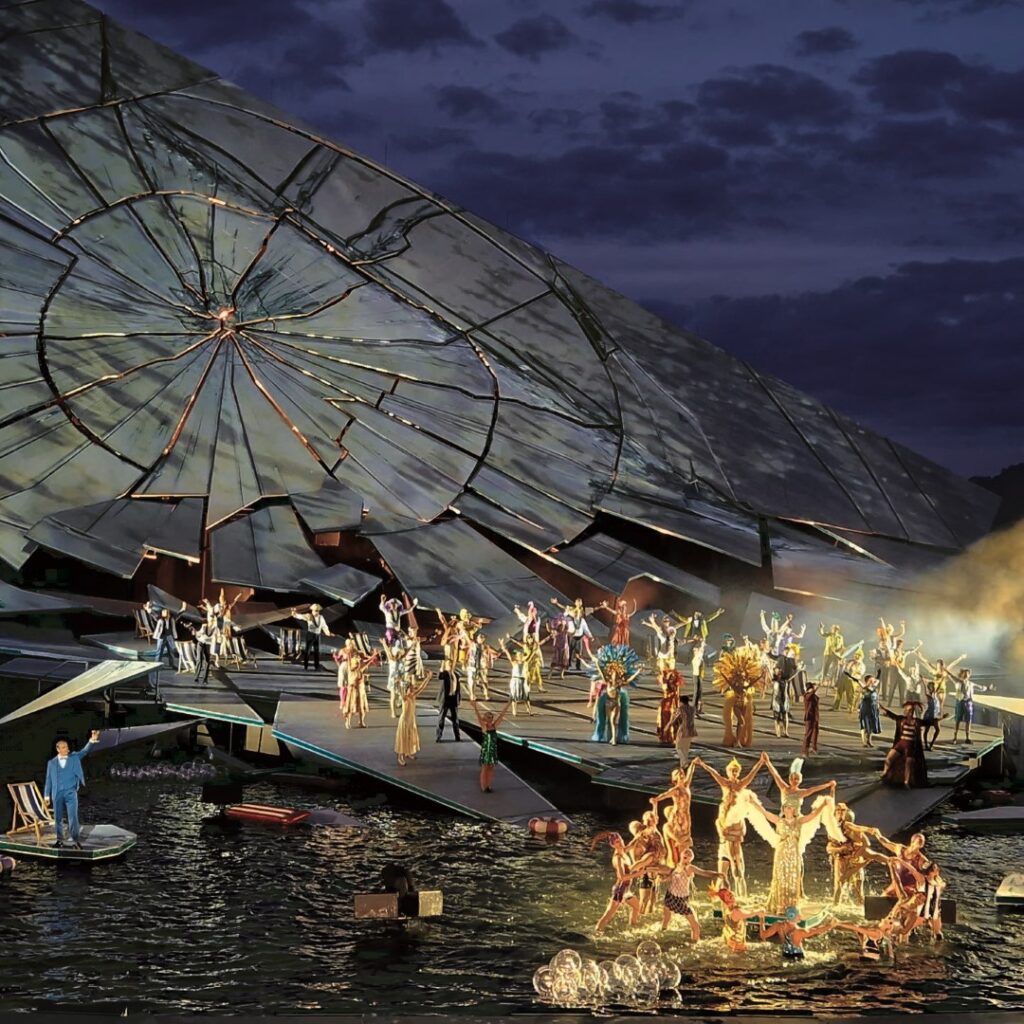
It is now the 10th year that Catherine has been coming to the Bregenz Music Festival to see the opera on the world’s largest lake stage. We are here again at Lake Constance and can’t wait to see the new production among 6700 spectators in the sold-out performance. In recent years, sadly going with the trend of the time, the productions have sometimes emphasized the dark and sinister (such as last year’s Freischütz) so we are hoping that this year will bring us simply beauty, emotion, and music.
And what could go wrong with Giuseppe Verdi’s La traviata (1853) – that enduringly popular and lyrical opera about a “fallen woman” (the literal meaning of traviata) who demonstrates so much more dignity and honor than her “respectable” environment.
Briefly, the story tells about Violetta Valéry, a glamorous Parisian courtesan who is the darling of society but is quietly dying of tuberculosis. Against her own instincts she opens herself to Alfredo Germont, an earnest young man who has loved her from afar. The two retreat to the countryside to live simply and happily, but their peace doesn’t last.
Alfredo’s father, Giorgio Germont, visits Violetta and asks her to leave his son, explaining that her tainted reputation is jeopardizing the family’s respectability. Violetta agrees, sacrificing her own happiness, and leaves without explaining why. Alfredo, who is bewildered and feels betrayed, publicly humiliates her before he learns the truth. By the time he returns to make amends, Violetta is on her deathbed and she dies in his arms, reconciled at last.
La traviata is part of Verdi’s “trilogy of the outcast” (with Rigoletto (1851) and Il Trovatore (1853)) in which the composer put a spotlight on people that society looks down on—a hunchbacked jester, a Gypsy woman, a courtesan—and focused on their inner lives showing their humanity and morality.
Thematically, Verdi moved far away from the mythology, history, or royalty on which most opera libretti until then were based. La traviata, instead, was set in contemporary Paris, with characters in modern dresses dealing with money, illness, and social status.
But most beloved is the exceptionally beautiful music of La traviata in which Verdi employed an psychologically effective structural design: The recurring musical themes are reflective of Violetta’s emotional and physical state. The same melodic material returns transformed as she moves from liveliness to illness, and to death—an effect that most audiences cannot escape.
The recording we have chosen for this blog is the exceptional performance by Anna Netrebko and Rolando Villazon at the Salzburg Festival in 2005.
Links
La traviata (Wikipedia)
A history of past productions of the Bregenz Festival in images (Bregenzer Festspiele)
Someone posted the TV transmission of the 2026 Bregenz Festival premiere on YouTube. This may likely be removed ere long.
Darum berührt uns „La traviata“ bis heute (SWR Kultur)
Related at Solari
Why I Love Opera (September 26, 2015)
Music of the Week: December 15, 2023: Giuseppe Verdi – La Vergine degli Angeli (December 15, 2023)
Maria Callas – Caro Nome (August 2, 2019)
Flash Mob: Il trovatore (October 9, 2015)


Log in or subscribe to the Solari Report to enjoy full access to exclusive articles and features.
Already a subscriber?