This 6-pillar curriculum teaches the basic literacy we need to be personally and financially successful and to do so in a manner in which together we evolve a culture that supports the emergence of an advanced human civilization.
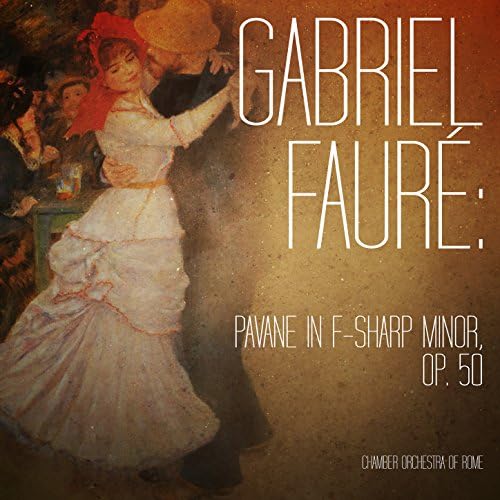
Gabriel Fauré’s Pavane, composed in 1887, is a refined and expressive work that reflects the elegance of late 19th-century French music. Originally written for piano and then for orchestra, later adapted with an optional choral part, the composition demonstrates Fauré’s characteristic subtlety and lyrical style. It stands at the transition from Romanticism toward the Impressionism of French music exemplified by Ravel and Debussy.
The work is based on the traditional Renaissance pavane, a slow and stately court dance, yet Fauré transforms this historical form into a modern and atmospheric composition. The mood is calm and introspective and carries emotional depth.
What is beautiful about this piece is that the melancholy it may engender stays serene and without kitsch, like a graceful surface that simultaneously suggests an underlying emotional restraint. This elegance has made Pavane one of Fauré’s most celebrated works, here performed masterfully by the Young Cracow Philharmonic.