This 6-pillar curriculum teaches the basic literacy we need to be personally and financially successful and to do so in a manner in which together we evolve a culture that supports the emergence of an advanced human civilization.
Writer Celia Farber has a nose for finding and recommending fascinating documentaries at her Substack, The Truth Barrier. She says she was so riveted by the 2016 documentary La Chana that she invented a “Thursday Film Interlude” rather than wait until her usual Saturday to offer a film suggestion to her readers.
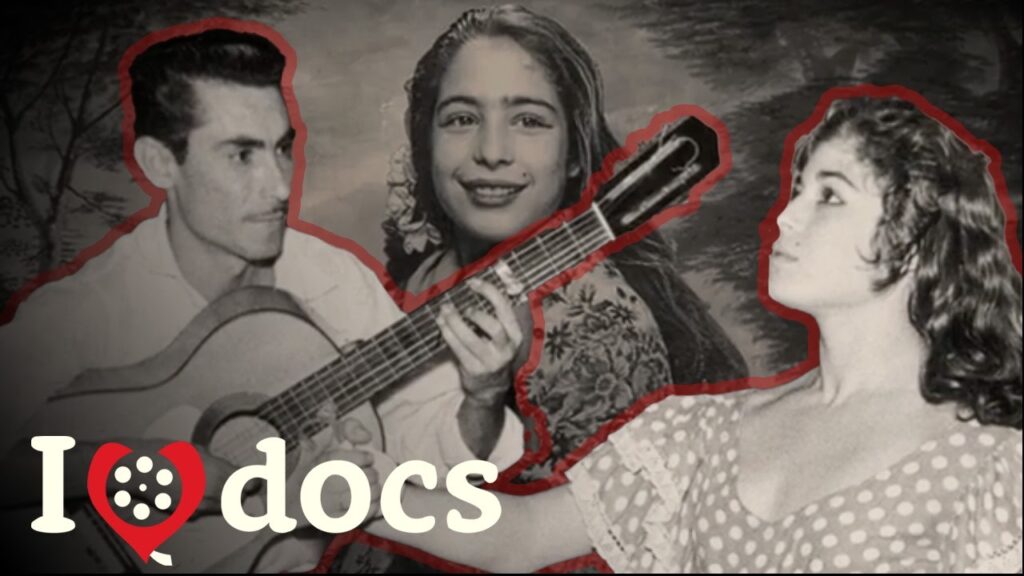
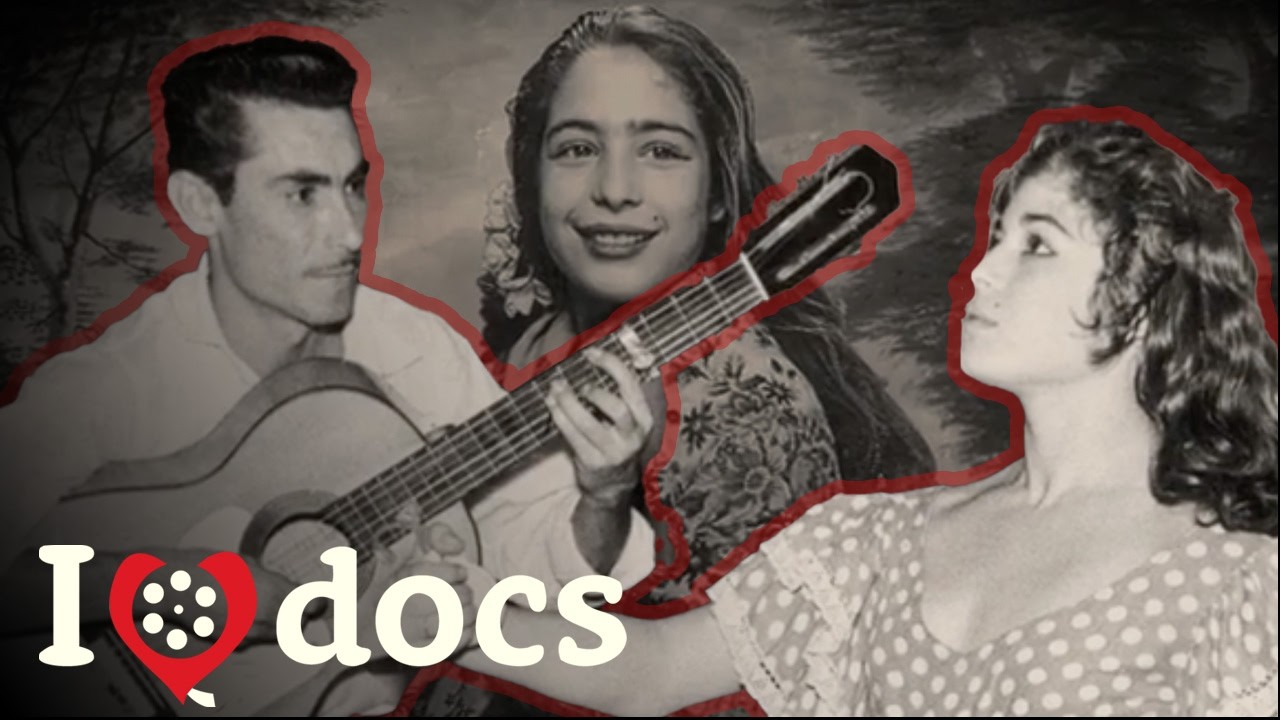
The film, which won Best Documentary at the 2018 Gaudí Awards (the “Oscars of Catalonia”), is a tribute to storied, self-taught Romani “flamenco queen” Antonia Santiago Amador, aka “La Chana”—a stage name inspired by her uncle, singer-guitarist “El Chano,” who helped get her started as a performer at age 15. Amador explains in the film that the word “chana,” in the gypsy idiom, means “someone who knows a lot,” though she modestly disclaims being such a person.
The dramatic art of flamenco—with origins among the Roma and Andalusian people and now recognized by UNESCO as part of the “World’s Intangible Cultural Heritage”—is “an entire musical and expressive universe” that incorporates dance, singing, poetry, polyrhythmic hand-clapping, finger snapping, and (often but not always) guitar playing. Key to flamenco is its compás: flamenco’s rhythm and “underlying driving force.” La Chana says in the documentary that the compás (which she learned by listening to the radio as a young girl) is “engraved in her mind,” and this gave her complete confidence when dancing because her emotions were “rooted in the beat.”
La Chana was renowned for her passionate performances and extraordinary rapid-fire footwork. We learn in the film that some guitarists didn’t dare play for her because “they couldn’t keep up.”
Director and producer Lucija Stotevic (who made her way to Catalonia via Croatia, Austria, Edinburgh, and the Czech Republic) decided to make the film after hearing about and meeting the legendary dancer through her own flamenco teacher, one of La Chana’s protégés. Stotevic heard about La Chana’s unique rhythms and beats, and “about how she had fallen into the shadows and … shouldn’t have.” Upon learning more of La Chana’s dramatic life story—which included becoming a mother at age 18 and suffering under an abusive and controlling first husband who forced her to stop performing at the peak of her fame (he later abandoned her and absconded with her money)—Stotevic decided to keep the film focused on the “core”:
“And La Chana’s core is her dance, her art…. When you watch the early part of the film and you discover who she was, you see her dancing and you think, ‘Wow, amazing dancer,’ but it’s only when you find out those different obstacles that she had, that her dances take on other meanings, other layers. You understand all that emotional charge then.”
The film concludes with a comeback performance by La Chana, by then in her 60s and suffering from diabetes and a bad knee. Though she performs seated in a chair (“sedentary flamenco”), her emphasis on “dancing from the soul,” her exciting footwork, and her compelling interactions with the three male singers and clappers who are her sole accompaniment, make the performance, to borrow Farber’s word, absolutely “riveting.” The audience who gave her a lengthy standing ovation that evening clearly agreed.