

























































































Food for the Soul: Renoir and Love
By Nina Heyn
June 18, 2026









Imagine that it is 1871 in Paris. The city, and in fact the whole country, are recovering from a brutal Franco-Prussian war as well as a revolt of Communards that has destroyed many Paris streets and buildings. In the art world, the paintings considered most prestigious are historical and mythological tableaux that depict violence—battles, conflicts, rapes of nymphs, abductions of women, mutilations of men. Real people in the streets are not faring well either—the post-war poverty is forcing young women into prostitution, children into begging, and men into backbreaking labor. Life in Paris is portrayed by Degas in pictures of laundresses yawning from exhaustion and by Toulouse-Lautrec in portraits of cabaret singers and street alcoholics, while Courbet is painting peasants toiling in the fields.
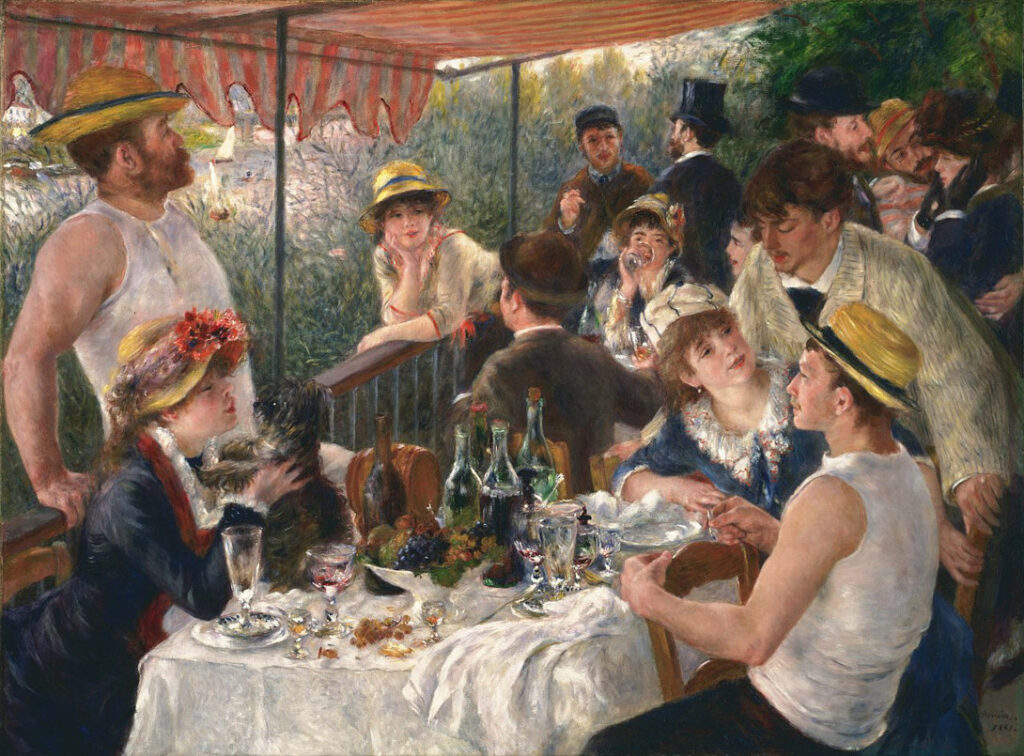
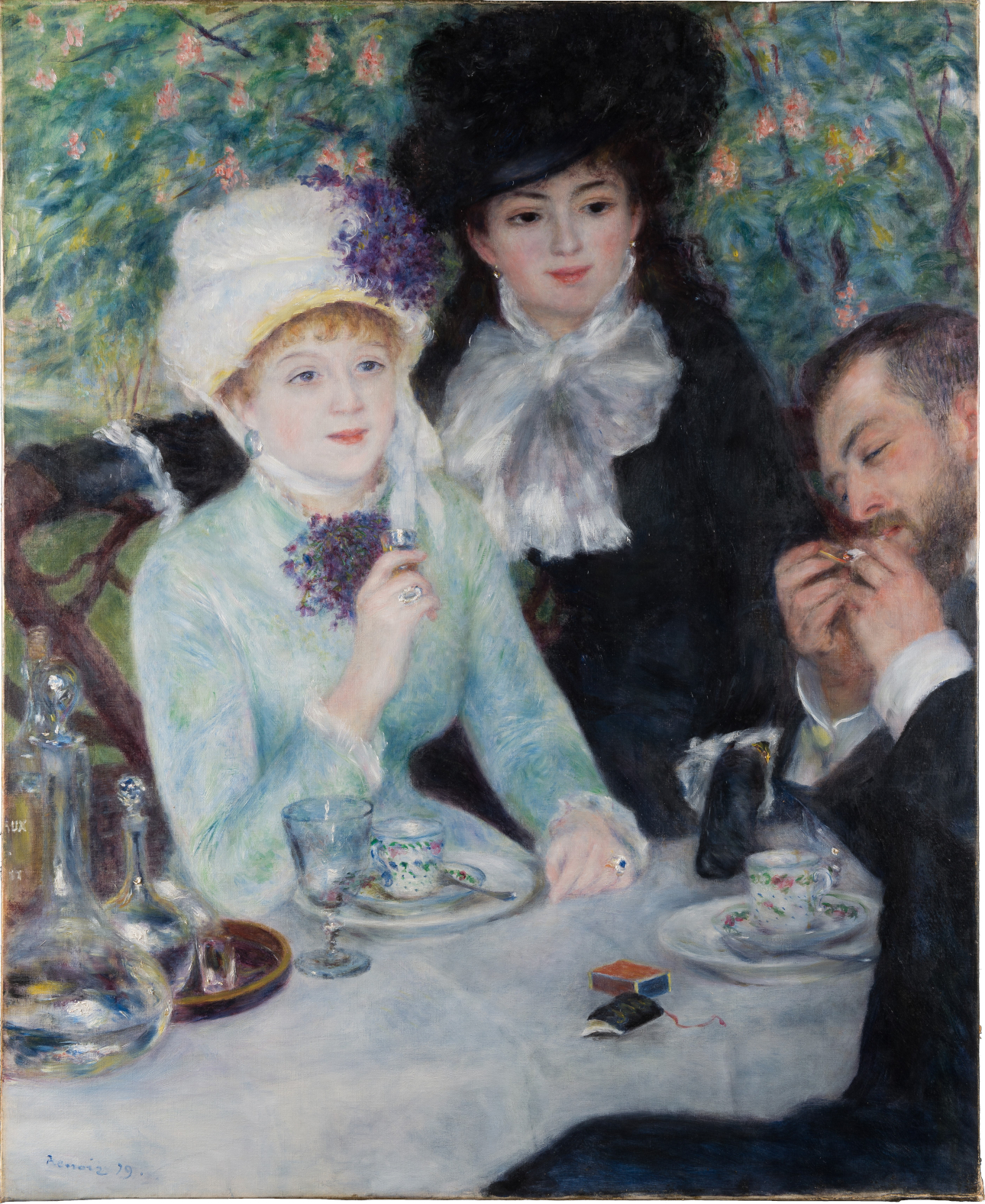
Into this world of real hardship and academic art violence comes Pierre-Auguste Renoir, a young artist who has a different point of view.
Already a subscriber?

Our mission is to help you live a free and inspired life. This includes building wealth in ways that build real wealth in the wider economy. We believe that personal and family wealth is a critical ingredient of both individual freedom and community, health and well-being.
Nothing on The Solari Report should be taken as individual investment, legal, or medical advice. Anyone seeking investment, legal, medical, or other professional advice for his or her personal situation is advised to seek out a qualified advisor or advisors and provide as much information as possible to the advisor in order that such advisor can take into account all relevant circumstances, objectives, and risks before rendering an opinion as to the appropriate strategy.
Be the first to know about new articles, series and events.
Your cart is currently empty!
Notifications