


















































































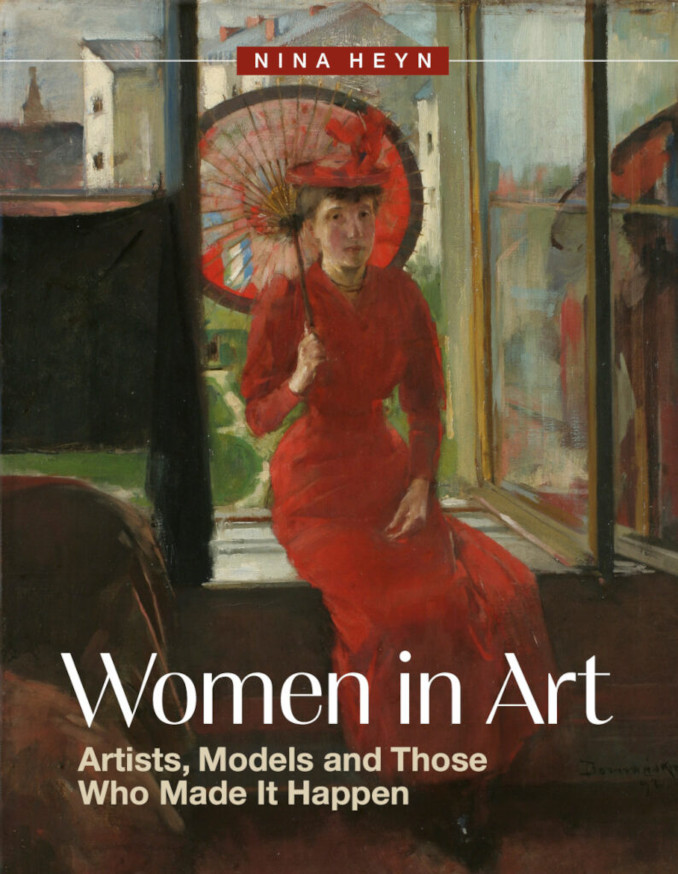



Food for the Soul: Women Artists – Mela Muter
By Nina Heyn
October 7, 2026








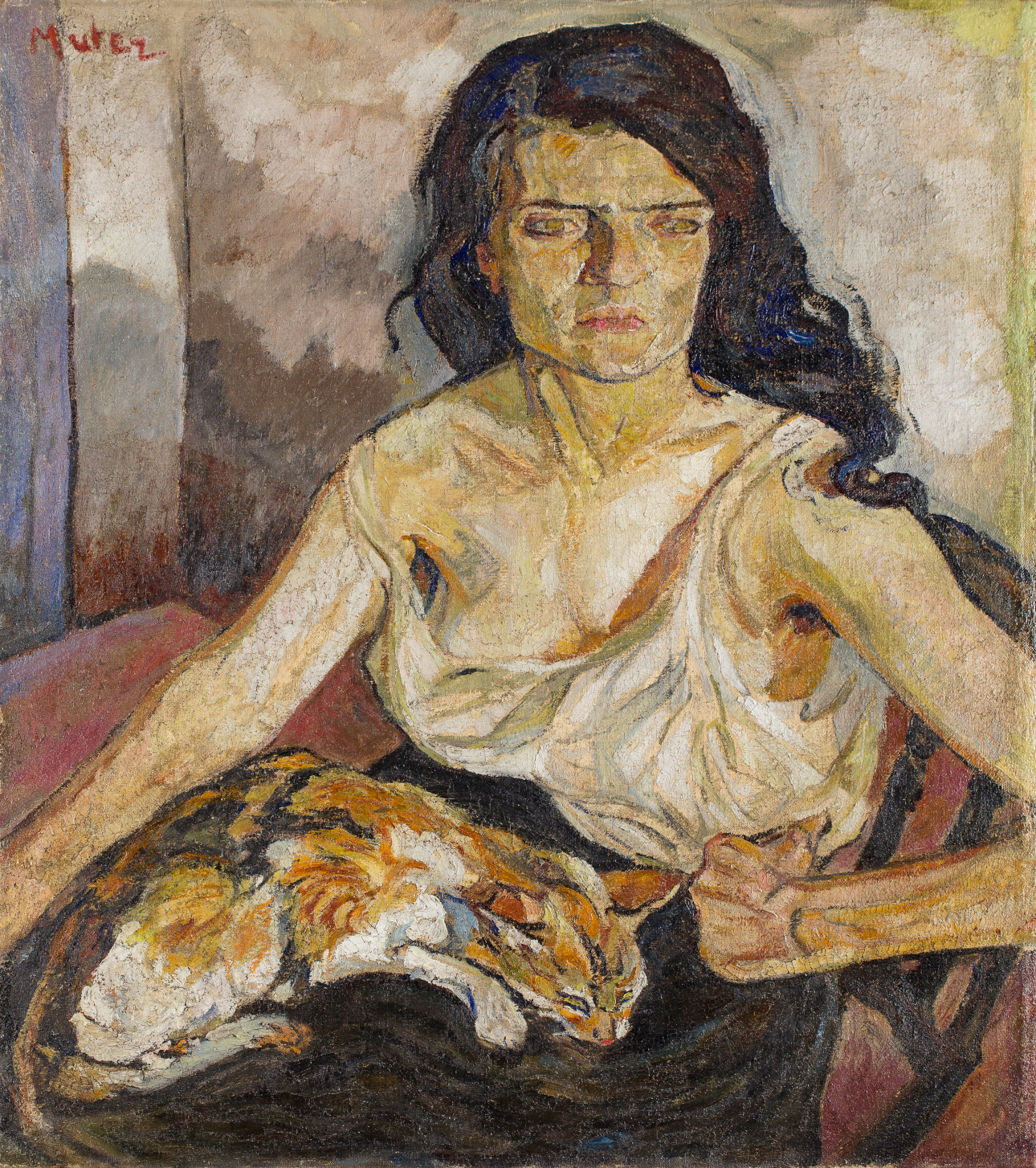
In the history of art, the recognition of women artists beyond academic circles is really a 21st-century phenomenon. The early Baroque Italian artist Sophonisba Anguissola (1552-1614) was only recently credited as the author of major Spanish royal portraits. Thanks to several exhibitions and Internet fame, Artemisia Gentileschi (1593-1653) is now almost a household name in the “women artists” category, whereas she went virtually unacknowledged in the previous 300 years. Numerous, lesser-known and long-gone women artists are also now receiving recognition in their own countries, even if that fame is limited. An example would be Finnish painter Helen Schjerfbeck (1862-1946), who was active in Paris but hardly known in France until recently; the growing recognition is mainly due to a retrospective at the Met in New York only last year.
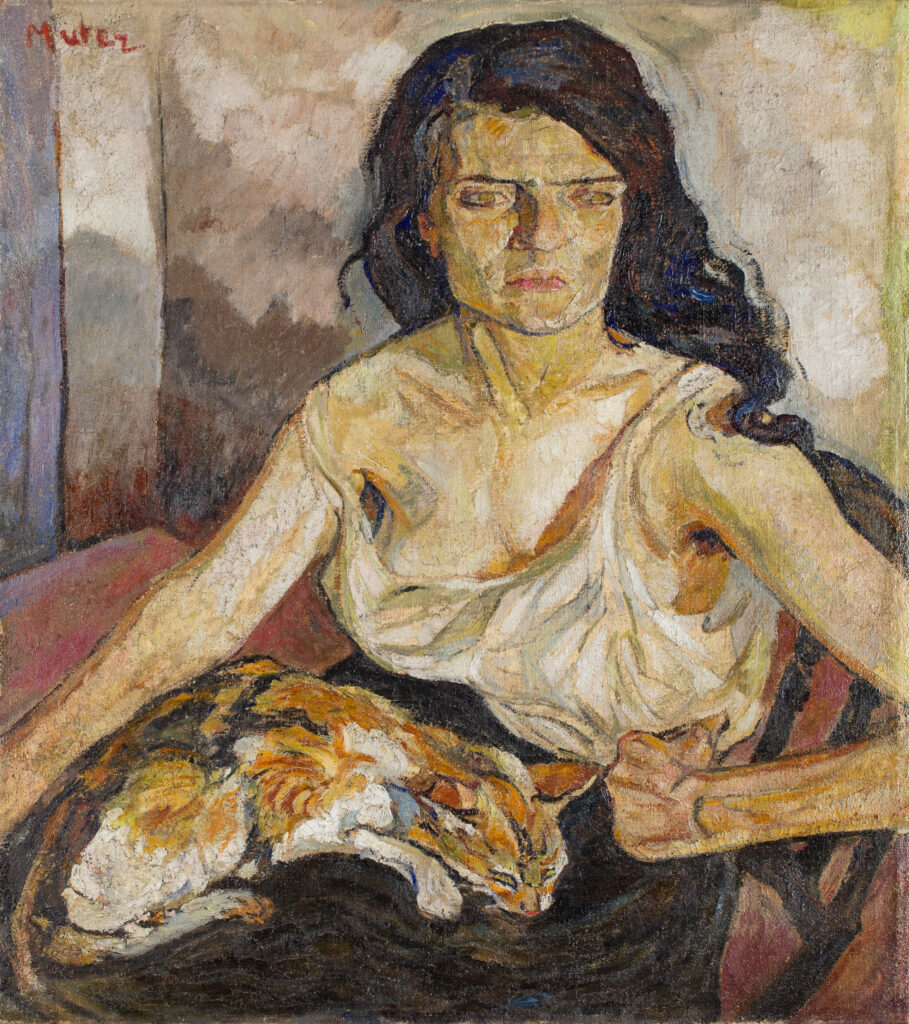
Another one is Mela Muter (1876-1967), a painter who, like Schjerfbeck, was active in Paris, but who is barely known there and whose fame in her native Poland is just beginning. This will probably change somewhat due to a retrospective exhibition that has just opened in a private museum near Warsaw to celebrate the 150th anniversary of the artist’s birth. Villa La Fleur is a museum focused on Art Deco, and particularly a movement called École de Paris, which describes artists who were active in Paris in the first 30 years of the 20th century and who often hailed from Poland and other Central European countries. Located in a historic, meticulously restored 19th-century villa near Warsaw, the museum is known as an initiator of excellent thematic exhibitions devoted to artists such as Tamara de Lempicka and Zofia Stryjeńska.
Already a subscriber?

Our mission is to help you live a free and inspired life. This includes building wealth in ways that build real wealth in the wider economy. We believe that personal and family wealth is a critical ingredient of both individual freedom and community, health and well-being.
Nothing on The Solari Report should be taken as individual investment, legal, or medical advice. Anyone seeking investment, legal, medical, or other professional advice for his or her personal situation is advised to seek out a qualified advisor or advisors and provide as much information as possible to the advisor in order that such advisor can take into account all relevant circumstances, objectives, and risks before rendering an opinion as to the appropriate strategy.
Be the first to know about new articles, series and events.
Your cart is currently empty!
Notifications