This 6-pillar curriculum teaches the basic literacy we need to be personally and financially successful and to do so in a manner in which together we evolve a culture that supports the emergence of an advanced human civilization.
During “Covid,” the majority of U.S. churches revealed themselves to be tethered to a federal leash when they obediently shut down in-person worship for months on end.
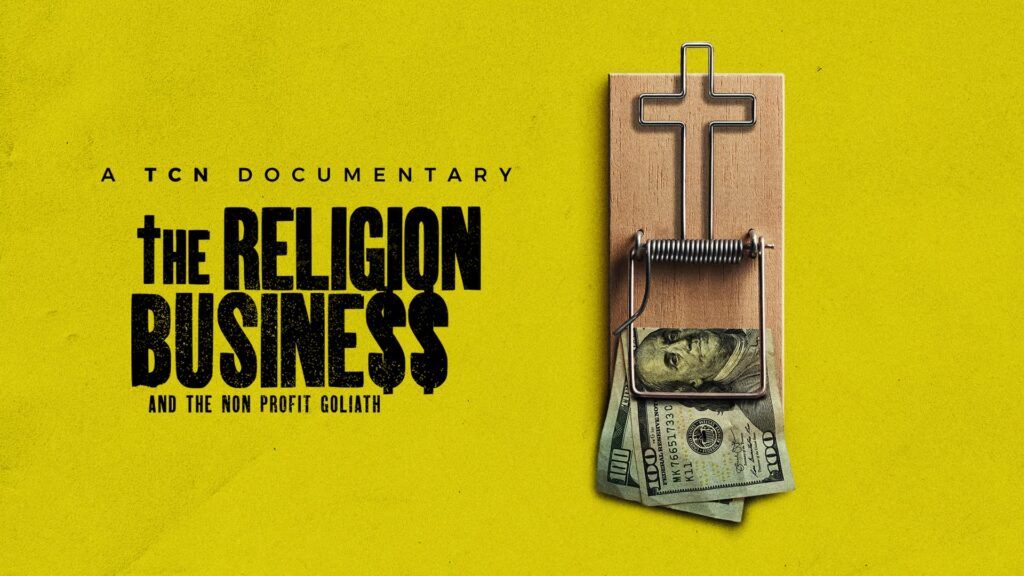
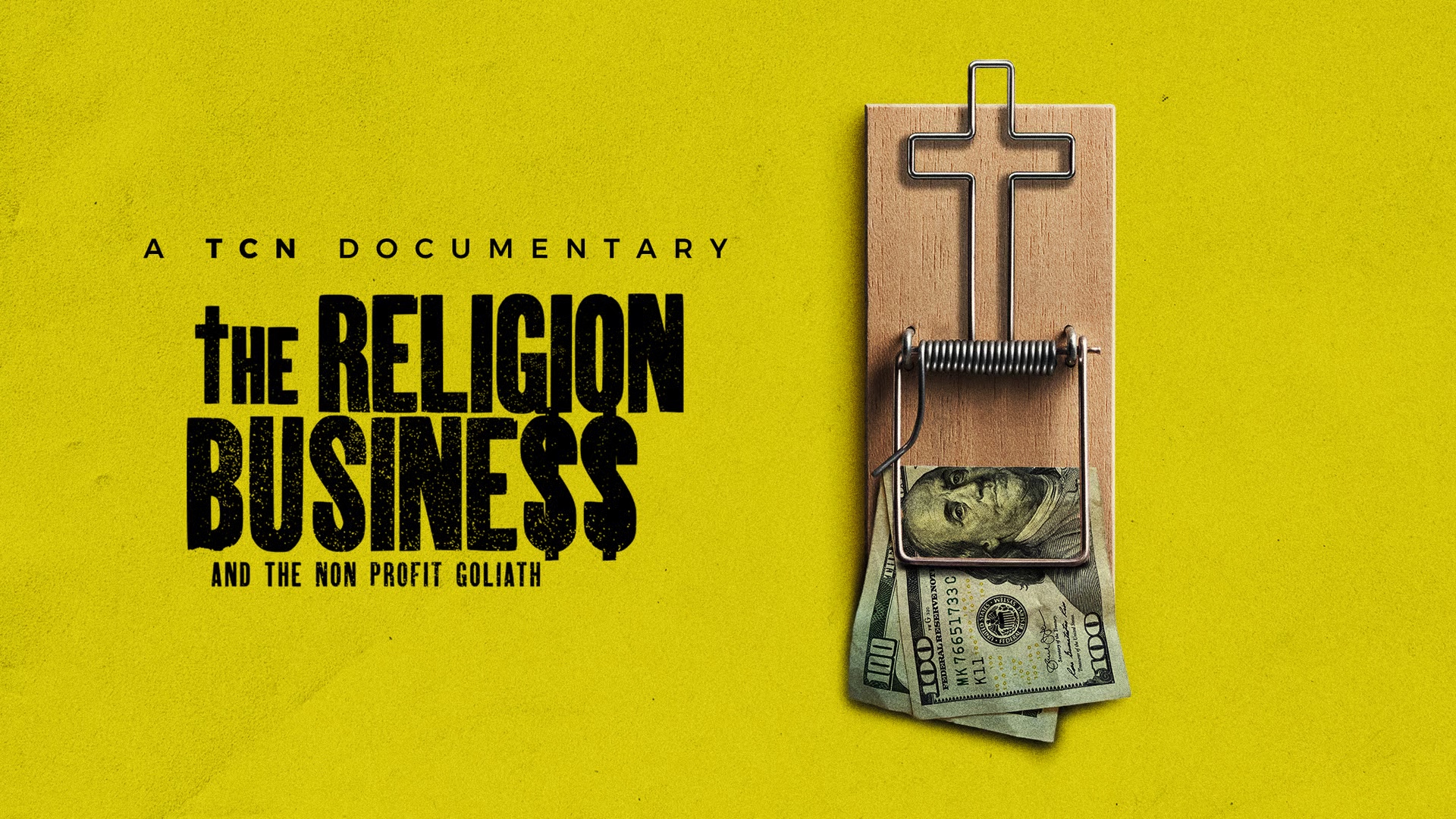
That leash is in large part the result of churches’ classification as 501(c)(3) nonprofits that enjoy a unique status under federal tax law. This is one of the key facts elucidated in Episode One of the seven-part docuseries, The Religion Business and the Non Profit Goliath. Whereas any other tax-exempt organization has to file an annual “Form 990” with the Internal Revenue Service (IRS), churches (as well as “integrated auxiliaries” and “conventions or associations of churches”) are automatically exempt from that requirement.
Not having to file Form 990 lets churches off the hook from reporting financial activity, governance practices, compensation, and program achievements. Summing up the sizable implications of this loophole, this means that citizens (and churchgoers) “can look up financials for many nonprofits but not for most churches.” Congress “explicitly carved out this treatment in the tax code” and straightforwardly concedes that it is “more advantageous for an organization to qualify as a ‘church’ … than merely as a ‘religious organization.’”
Nathan Apffel, a filmmaker raised in a religious community, says his early experiences, when he “witnessed firsthand the beauty of spiritual devotion—and the silence that often surrounded moral failure,” planted the seeds for creating the docuseries. A number of years in the making, the series examines “the money, power, and lack of transparency that can exist behind religious organizations claiming nonprofit status” and “what happens when enormous wealth, limited oversight, and religious authority intersect.”
The titles of the seven episodes are as follows:
A Crisis of Faith
Mechanisms of Corruption
Saints and Sinners
Ministry, Money & Sexual Abuse
The Rise of Consumer Religion
The Pilgrimage
Hope
Grace Community Church in the Los Angeles area was one of the rare churches that refused to toe the line and bow to the government’s “intrusive restrictions” during Covid, with the church elders insisting that “Christ, Not Caesar, Is Head of the Church.” They published four “non-negotiable precepts” about church life that seem compatible with the spirit of Apffel’s questioning of the “religion business”: (1) The church must stand firm on the truth; (2) Joy, not fear, should dominate the fellowship of believers; (3) Believers must be “diligent to preserve the unity of the Spirit in the bond of peace” (Ephesians 4:3); and (4) A company of believers is not a “church” if they don’t gather.
Members of the Tucker Carlson Network can watch The Religion Businesshere, and the filmmakers list additional streaming options here.