





























































Action of the Week
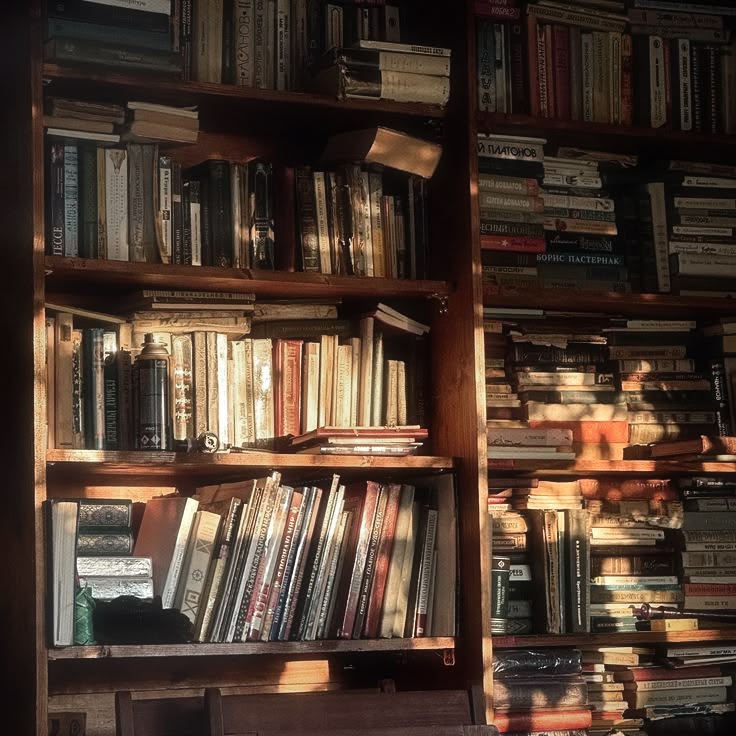
Take Back Your Library
September 27, 2026







“A library is like an island in the middle of a vast sea of ignorance, particularly if the library is very tall and the surrounding area has been flooded.”
~ Lemony Snicket, in Horseradish: Bitter Truths You Can’t Avoid
By Tom Shaw
With the push to make the world digital, we risk losing access to uncensored, uncompromised media that give us valuable insight into how the world really works. AI companies are buying old books, reportedly to “preserve” their content—while destroying the hard copies in the process. More and more books are being reissued with alterations and revisions that change their original meaning, while many that rightfully challenge the prevailing narratives about the world we live in are buried in obscurity.
Regular Solari contributor Dr. Joseph Farrell has also repeatedly warned that eBooks can be not only modified or marginalized but “disappeared” altogether. The case for physical, analog media of all kinds has never been stronger—and with it, the call for ways to preserve and make this material available to those who need and want it has also grown stronger.
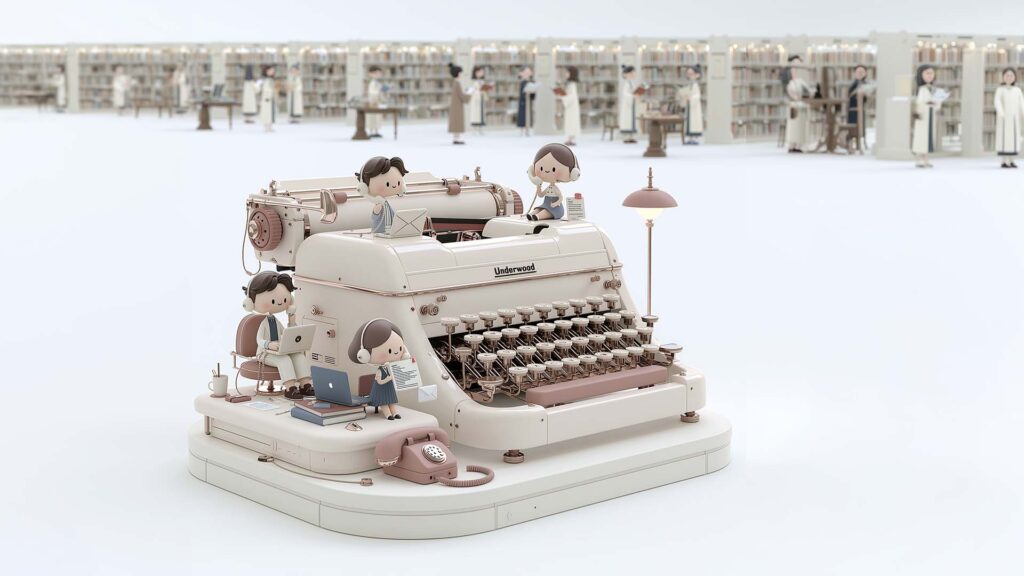
Having a personal collection of books is a great form of pushback in its own right—but it is not practical or feasible for every single person in a community to collect each possible book of value in existence. But we’ve had the solution to this for as long as advanced human civilization has existed: the library.
Back in 2021, Gabrielle Passick covered how libraries past and present are gateways for knowledge. Passick’s articles at the Solari Report are a great resource for understanding why we have libraries and what they can do at their best, even in the modern day. It’s also true to say, however, that many libraries are not the places they used to be. In the void of individuals—and their wallets—looking to use the library to bring meaningful value into their lives, these mostly publicly funded institutions often fall victim to the centralizers’ agendas. In my native United Kingdom, it would be highly unusual to find a public library that isn’t adorned with LGBTQ flags, curated reading suggestions on climate change, or—until recently—signage on how to stay safe from Covid.
In some ways, this phenomenon is nothing new: the libraries of the Soviet Union were regularly purged and drained of books no longer deemed conducive to “socialism”—as defined by the state. In the times and places in history where similar acts of censorship have taken place, underground and unsanctioned libraries have been one response to this. Here is the irony, though: Mr. Global has only been able to take up residency in the library today—and other controlling centralizers in libraries of the past—because of the lack of engagement from the families, thinkers, and communities that would have once gladly supported it. As such, rather than be a place that exists solely for the uplifting of all minds, the library becomes a place that forces the development of only “one mind.” By the time the ancient Library of Alexandria came to be destroyed in the Palmyrene invasion of Egypt, many of the great intellectuals and supporters had already been purged over the previous 100 years over political disagreements with the rulers of the time. The Library didn’t just fall because it was attacked: it fell because there was nobody there to advocate for and protect it. It’s clear that libraries have a community component that is just as important as—and synergistic with—the knowledge component.
I would not stop anyone from starting a new, high-integrity library from scratch to resist Mr. Global’s influence on reading material—in fact, I would encourage it. There may well be some communities where the existing library is so compromised that a new library would be a welcome addition to that locality. But for many, standing by your existing library—and making it work for you—is likely a much easier path for resisting the destruction of true knowledge and informational value.
Here’s a question for you: when was the last time you visited your local library? Had you asked me this a year or two ago, my answer would have been “only as a child.” Now, I visit my library a few times a month—although admittedly, not to take out books. Right now, the libraries around me are simply not carrying the kinds of books that I wish to read—and this seems to be the experience of others inside and outside Solari who I’ve spoken to about this. Many say their library has become filled mostly with modern “critics’ choices” and “bestsellers” that publishers have promoted to capitalize on supporting the different aspects needed for a successful global control grid. This has been my own experience, too.
But I have found great value in libraries as places to visit to write pieces like this in between other errands, or—more significantly—for independently organized creative writing sessions. Pretty much all of these sessions have been agenda-free and exist purely for the benefit of promoting creativity. From what I can tell, these kinds of offerings are the reason many people are visiting libraries—for the element of community in the physical space and the offerings that a library can provide.
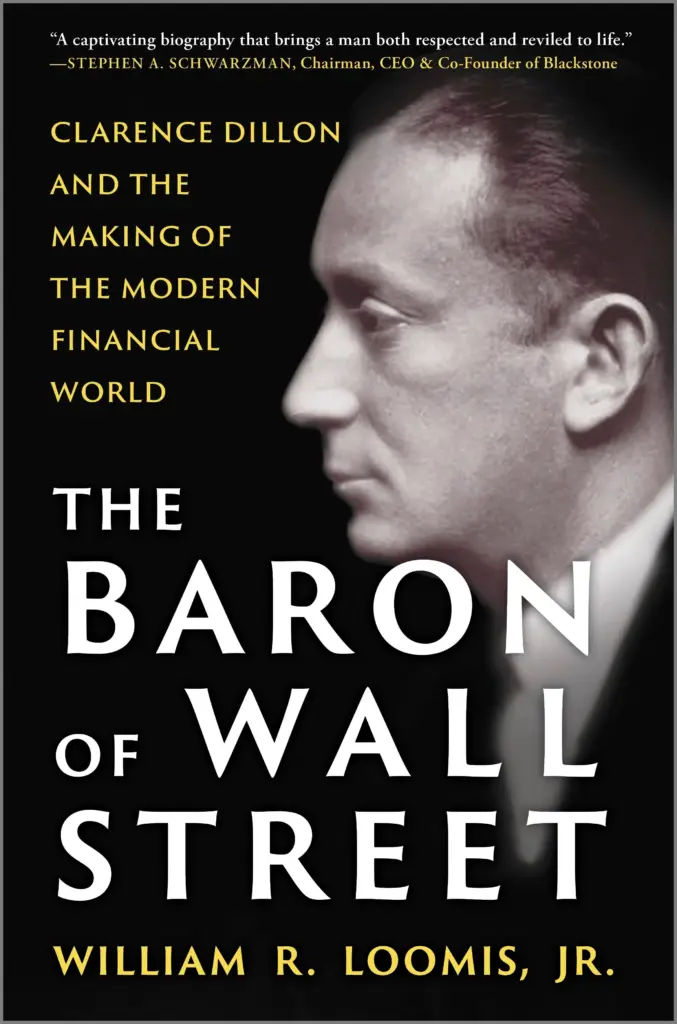
This is key to me: the people running local libraries are clearly still interested in serving what they perceive as the local community. So, what happens when that community is suddenly comprised of individuals looking to build their free and inspired life, who see through many of the false narratives prevalent in the world? What would happen if just five of those people all went to their local library and each requested a copy of The Baron of Wall Street on the same day? Or The Germ in the Dairy Pail? Or any of the books in Solari’s Book Reviews—and kept requesting them, again and again?
Mr. Global might think that he can have automated digital controls on everyone’s lives, but at the end of the day, the world works on people—not machines. A group of engaged citizens, visiting their local library on a regular basis, showing their desire and commitment for the library to serve them, will not go unnoticed and unrewarded by the local librarians. They are real people, too—and are far more accountable to the committed library-goer than a faceless central government contact point through the Internet or the phone.
Just like with banks, building a good relationship with the people who run your local library can do more to sideline a global agenda than a protest in the street ever can. Truth, honesty, and integrity resonate. And imagine what happens when a library returns to that mission of pursuing and preserving true knowledge? Imagine a world where the dollars of the people—stolen by a government or legitimately earned—go back into buying real books of genuine value for the everyday man or woman to read?
That world is possible. It’s on us to write the story of how it happens.
Already a subscriber?

Our mission is to help you live a free and inspired life. This includes building wealth in ways that build real wealth in the wider economy. We believe that personal and family wealth is a critical ingredient of both individual freedom and community, health and well-being.
Nothing on The Solari Report should be taken as individual investment, legal, or medical advice. Anyone seeking investment, legal, medical, or other professional advice for his or her personal situation is advised to seek out a qualified advisor or advisors and provide as much information as possible to the advisor in order that such advisor can take into account all relevant circumstances, objectives, and risks before rendering an opinion as to the appropriate strategy.
Be the first to know about new articles, series and events.
Your cart is currently empty!
Notifications