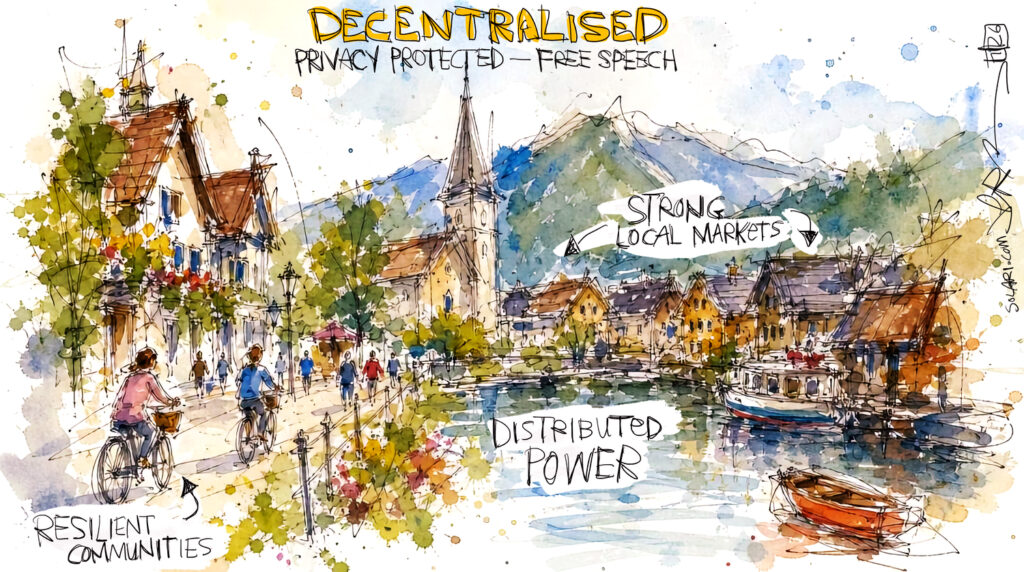
This 6-pillar curriculum teaches the basic literacy we need to be personally and financially successful and to do so in a manner in which together we evolve a culture that supports the emergence of an advanced human civilization.
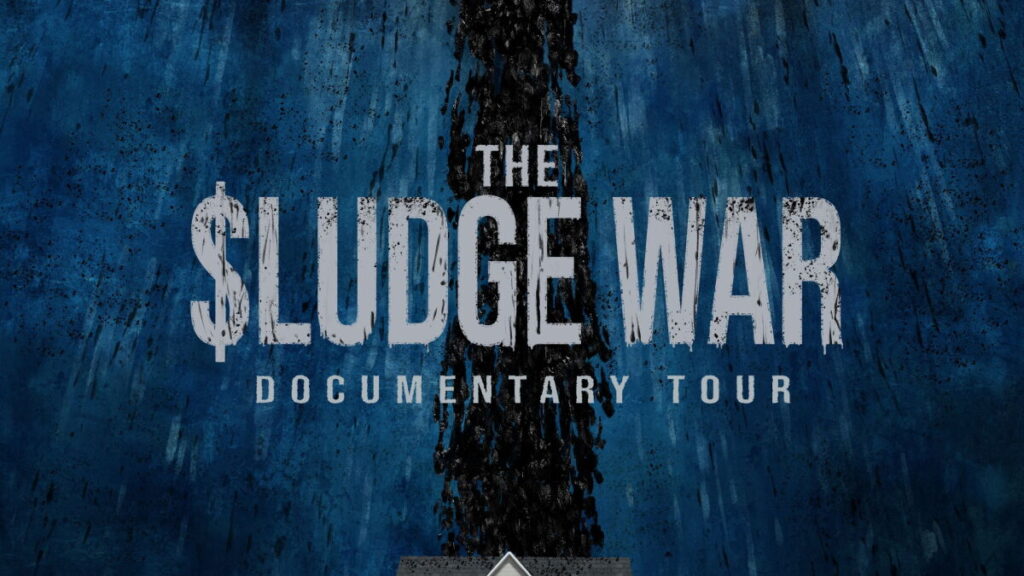
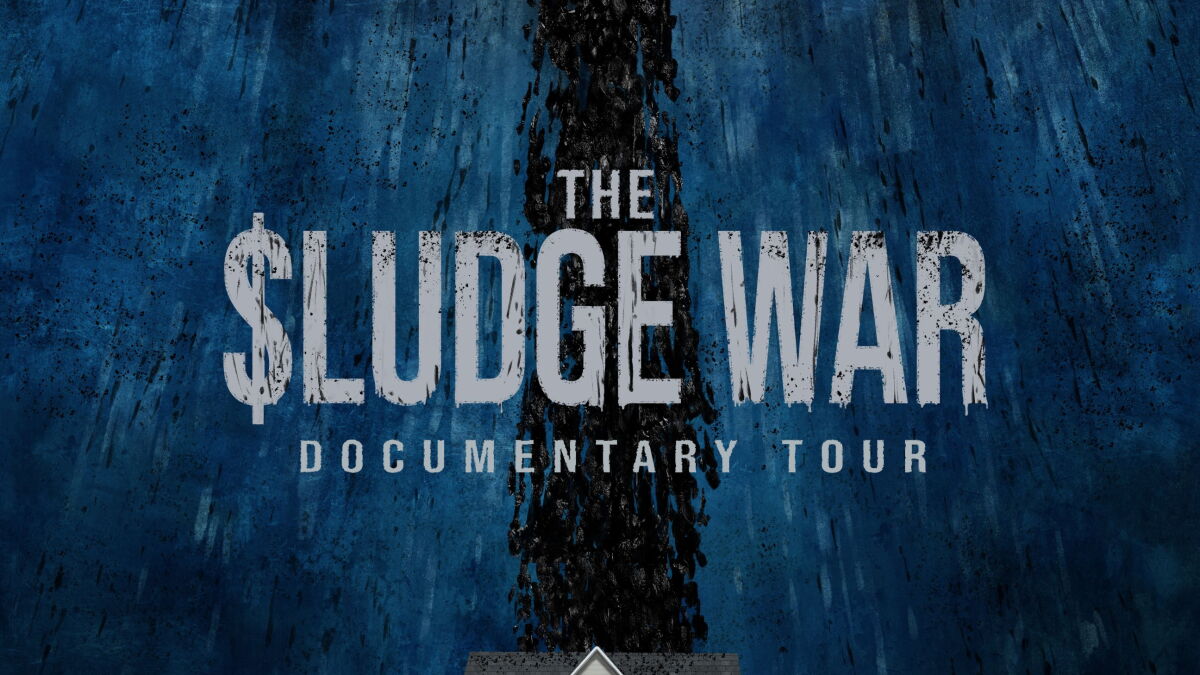
The Sludge War—a documentary about the hidden (and, in fact, suppressed) hazards of sewage sludge in the U.S.—may be a 2026 release, but the war by communities and a handful of scrupulous scientists against Environmental Protection Agency (EPA) complacency about what it cleverly reframes as innocent-sounding “biosolids” goes back decades.
Galassia Grassetto, director of The Sludge War, says she “didn’t set out to expose a national cover-up, but … found a buried secret under the places we call home.” She spent five years making the documentary after she discovered that her community had been built on landfilled toxic sludge. The film includes depositions, interviews, and testimony from insiders, scientists, and citizens who convey “how this dangerous material was intentionally woven into everyday life across the country.”
EPA acknowledges that there are “three options for use or disposal of sewage sludge”: landfilling (accounting for 24.5% of sludge as of 2024), incineration (14%), or land application (59.5%) in the form of “spraying, spreading, incorporation, or injection … into or onto the land to either condition the soil or fertilize crops or vegetation.”
As with fluoridation of community water supplies, land applications of sludge conveniently greenwash what is actually an expensive disposal problem by claiming that a toxic substance can be put to better use. EPA began actively encouraging and incentivizing sludge “recycling” in 1989 with a report titled EPA’s Policy Promoting the Beneficial Use of Sewage Sludge. The agency permits land application virtually everywhere—on “agricultural land, forests, rangelands, disturbed land in need of reclamation, or nonagricultural lands like parks, golf courses, and home lawns and gardens.”
Less than a decade after EPA launched its sludge PR campaign, the Cornell University Waste Management Institute was urging the agency to adopt a more “cautious” policy position, arguing that its rules about agricultural and other uses were “far less protective than those of many other nations” and relied on “overly optimistic or simplistic assumptions about contaminant impacts.” Career EPA research microbiologist Dr. David Lewis agreed, expressing concerns about human health in the late 1990s and early 2000s and telling a House subcommittee in 2004 that the agency’s data were “completely unreliable [and] possibly even fraudulent.” Lewis was fired for his whistleblowing and later claimed, in his 2014 book Science for Sale, that government, industry, and universities “purposefully corrupt” science to create “an illusion, designed to deceive.”
As the toxicity and ubiquity of PFAS (per- and polyfluoroalkyl substances, also called “forever chemicals”) has gained wider public and scientific awareness, the issues surrounding sewage sludge contaminants are attracting renewed attention because—thanks to sludge’s widespread use as a fertilizer—an estimated 70 million acres of farmland are thought to be PFAS-contaminated. Meanwhile, EPA is now proposing a regulation to explicitly allow biosolids used in agriculture and other land management to contain PFAS! In 2022, Maine became the first state to ban land application of sludge, but it still faces the conundrum of how to dispose of the “PFAS-contaminated sludge that piles up each day at municipal wastewater treatment plants.”
The Sludge War is currently on a national tour in the U.S., screening at independent theaters and festivals. We invite U.S. subscribers who have the opportunity to see the film to post comments about it below.