This 6-pillar curriculum teaches the basic literacy we need to be personally and financially successful and to do so in a manner in which together we evolve a culture that supports the emergence of an advanced human civilization.
“[T]he toolkit of ‘restrictive measures’—originally aimed at the office-holders of despotic regimes—has increasingly also been hitting journalists, analysts, and publicists, including, on occasion, EU citizens. The Baud case shows in exemplary fashion how far this practice has drifted from minimum rule-of-law standards.”
~ Bernhard Wegener, Professor of Public and European Law
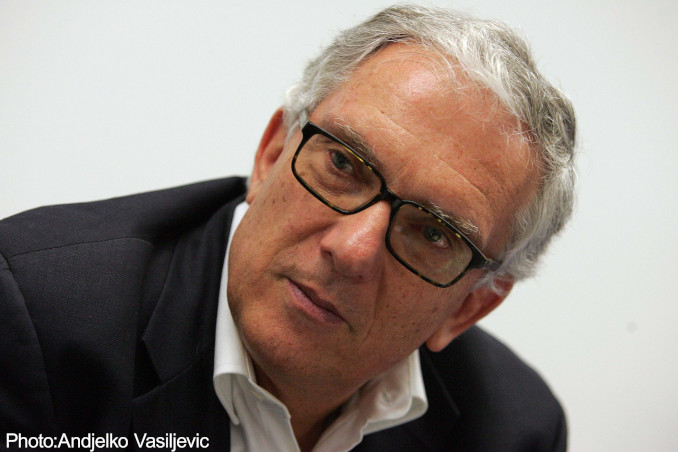
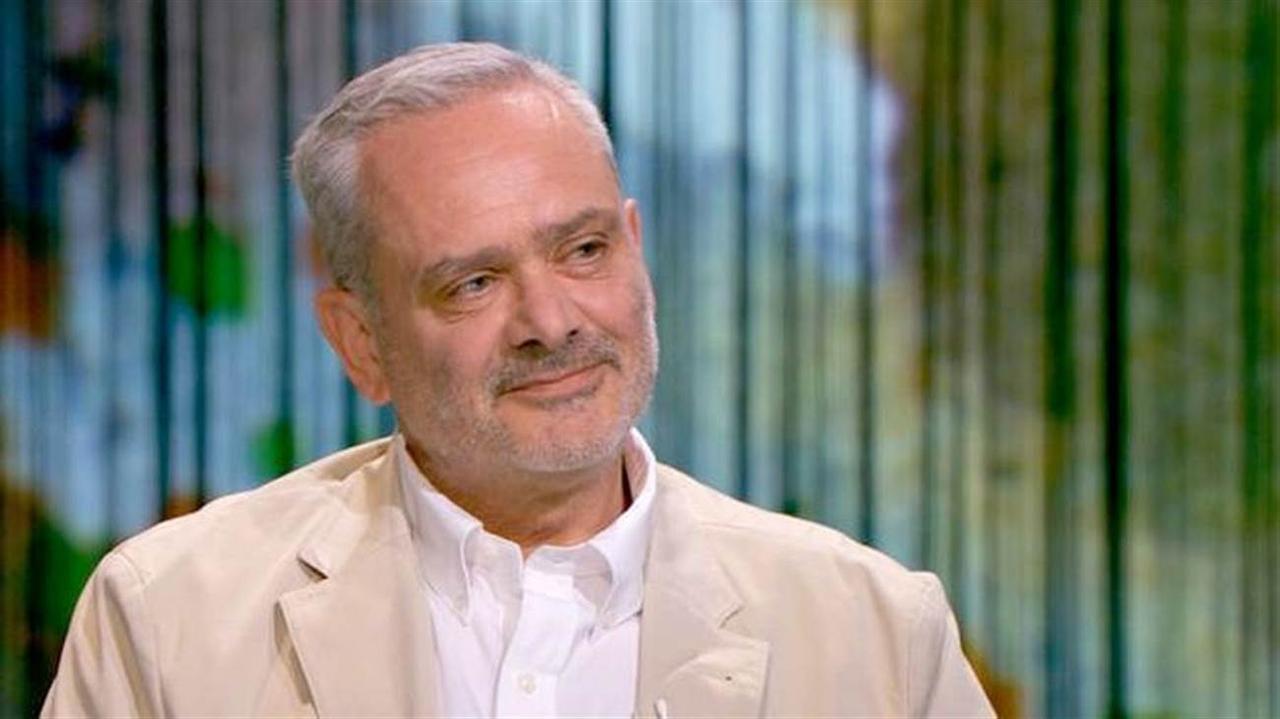
Jacques Baud is a Swiss military analyst and former colonel who has also served at the United Nations and NATO. On December 15, 2025, the European Union (EU) put him on their sanctions list, condemning him for the perceived sins of being “a regular guest on pro-Russian television and radio programmes,” a “mouthpiece for pro-Russian propaganda,” and someone who “makes conspiracy theories,” notably with respect to the Ukraine conflict. The EU accuses Baud of being connected to Russian “actions or policies … which undermine or threaten [Ukraine’s] stability or security.”
Economic sanctions: “freezing or seizing their assets, restricting their financial transactions, and implementing a widespread ban that prohibits citizens or companies from conducting trade with the targeted individual”
Travel restrictions: “denying entry visas or revoking existing visas and restricting travel within their own country in order to limit their mobility”
Asset freezes: “freezing their bank accounts, real estate and other financial assets so that the targeted individual is unable to access financial resources”
The sanctions against Baud cover all of these bases. As German law professor Bernhard Wegener summarizes, “His assets are frozen, any financial or other economic support is prohibited, and he may neither enter nor leave EU territory,” leaving Baud “stranded” in Brussels and unable to travel to his native Switzerland, which has not adopted the sanctions regime. In February, Brussels patted itself on the back for granting a limited “humanitarian exemption”; Baud commented, “With this humanitarian exemption, I have the right to access my bank account for essential needs.”
Although the EU denies that it is violating Baud’s freedom of expression, Prof. Wegener—while accepting the EU’s allegations as true—argues differently:
“The allegations are problematic because, by their content and their substantive indeterminacy, they are incapable of justifying the massive interferences with fundamental rights based on them…. Sanctioning dissenting expressions of opinion appears, particularly in times of war, as a problematic narrowing of discourse.”
In short, Baud is simply bringing “more understanding to bear for Russian politics than the Union finds agreeable.” Catherine notes that when she read Baud’s 2024 book, The Russian Art of War: How the West Led Ukraine to Defeat, she found it exceptionally useful for understanding what was happening on the ground in Ukraine.
Wegener flags the comment of a German government spokesman: “Everyone who is active in this field [that is, anyone who says something that is vaguely “pro-Russian”] must reckon with it [being put on the sanctions list] happening to them too.” (In Wegener’s view, this sounds rather more thuggish and heavy-handed than one ought to expect from an elected official from “a Union subject to the Charter of Fundamental Rights.”) Pascal Lottaz, who interviewed Baud at his Neutrality Studies channel, warns that the German spokesman merely spoke the quiet part out loud: “What is happening to Col. Baud could happen to anyone tomorrow.”
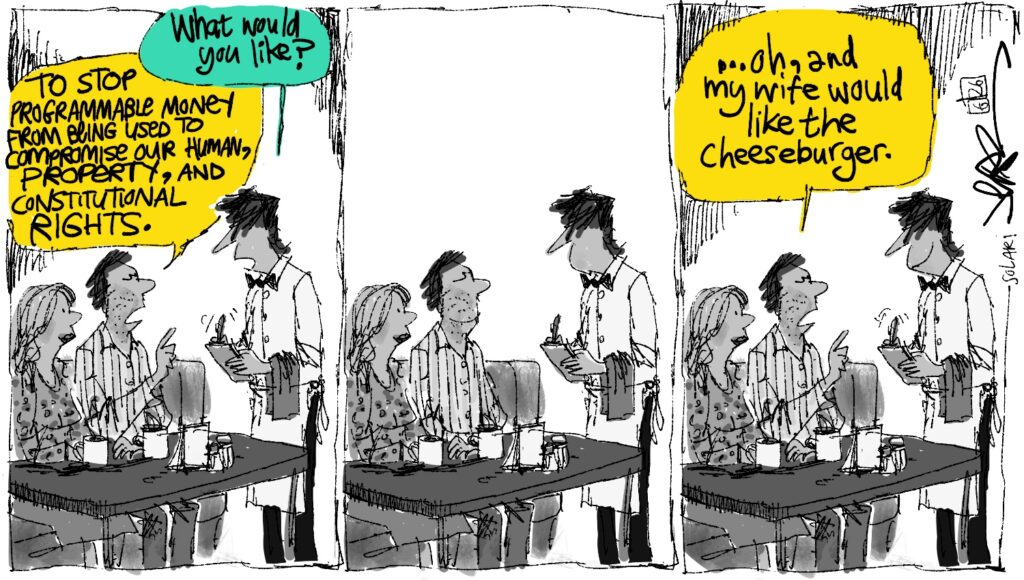
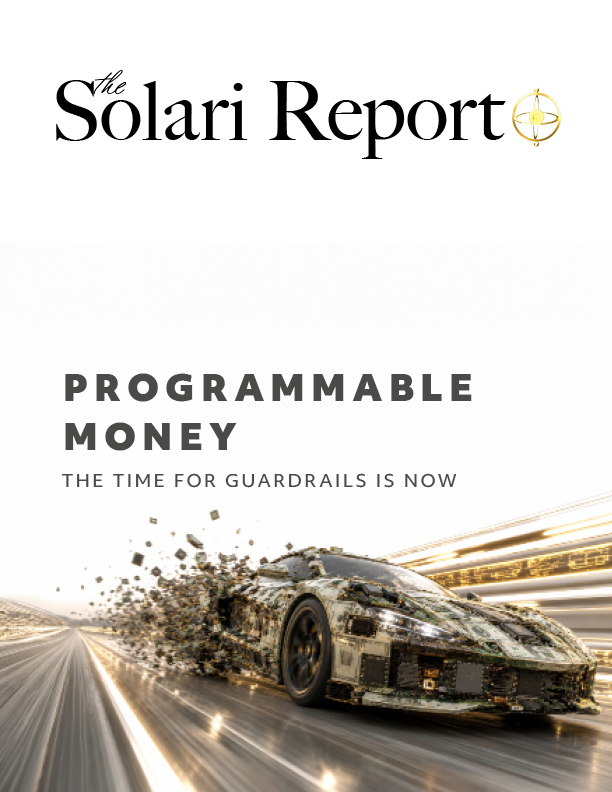
At Solari, we could state this yet another way: sanctions against individuals provide a foretaste of what life under a centralized programmable money regimen could look like.