







































































































Pushback of the Week
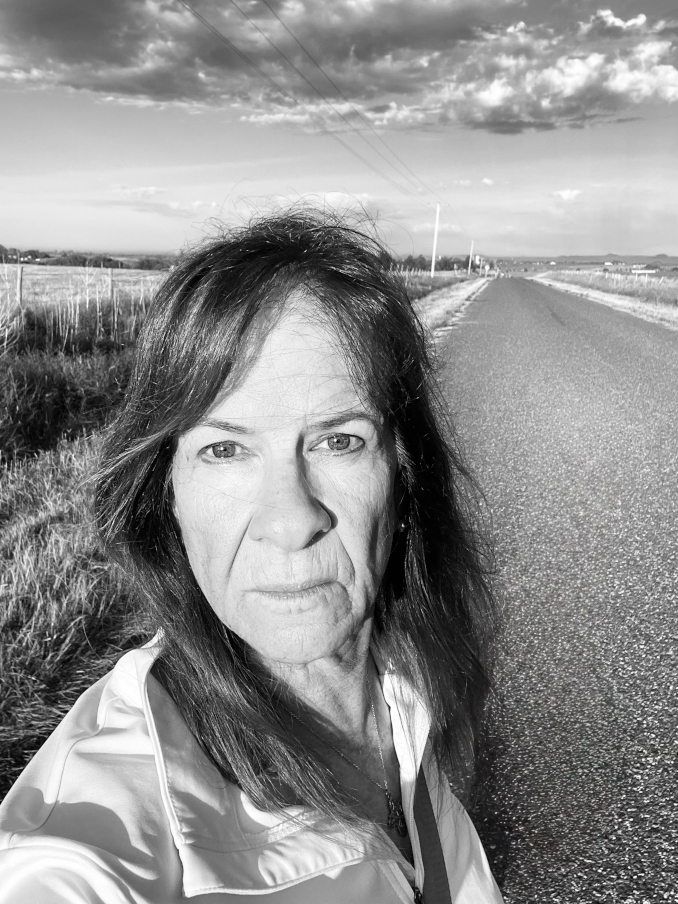
Debbie Bacigalupi Defends Ranchers’ Rights
February 22, 2026










No posts
“You can never just enjoy the scenery, the warm wind blowing in your hair, because you’re always wondering what these agencies are going to do next…. The reality is they want your land and they want your water.”
~ Debbie Bacigalupi
A week ago, Catherine was a keynote speaker at Margaret and Dan Byfield’s American Stewards of Liberty (ASL) Summit 2026, where she spoke about “The Financial Plunder of America’s Natural Resources.”
As detailed in Solari’s Plunder report, a major land grab—clothed in many disguises—is well underway. One of those disguises, as ASL has warned, is the misuse of the 1973 Endangered Species Act (ESA) “as a powerful regulatory weapon against landowners.” (See ASL’s “Small Landowner’s ESA Protection Package.”) Rancher and sixth-generation Californian Debbie Bacigalupi has first-hand experience with ESA weaponization in the form of wolf “reintroduction,” and addressed this topic as a panelist at the ASL Summit.
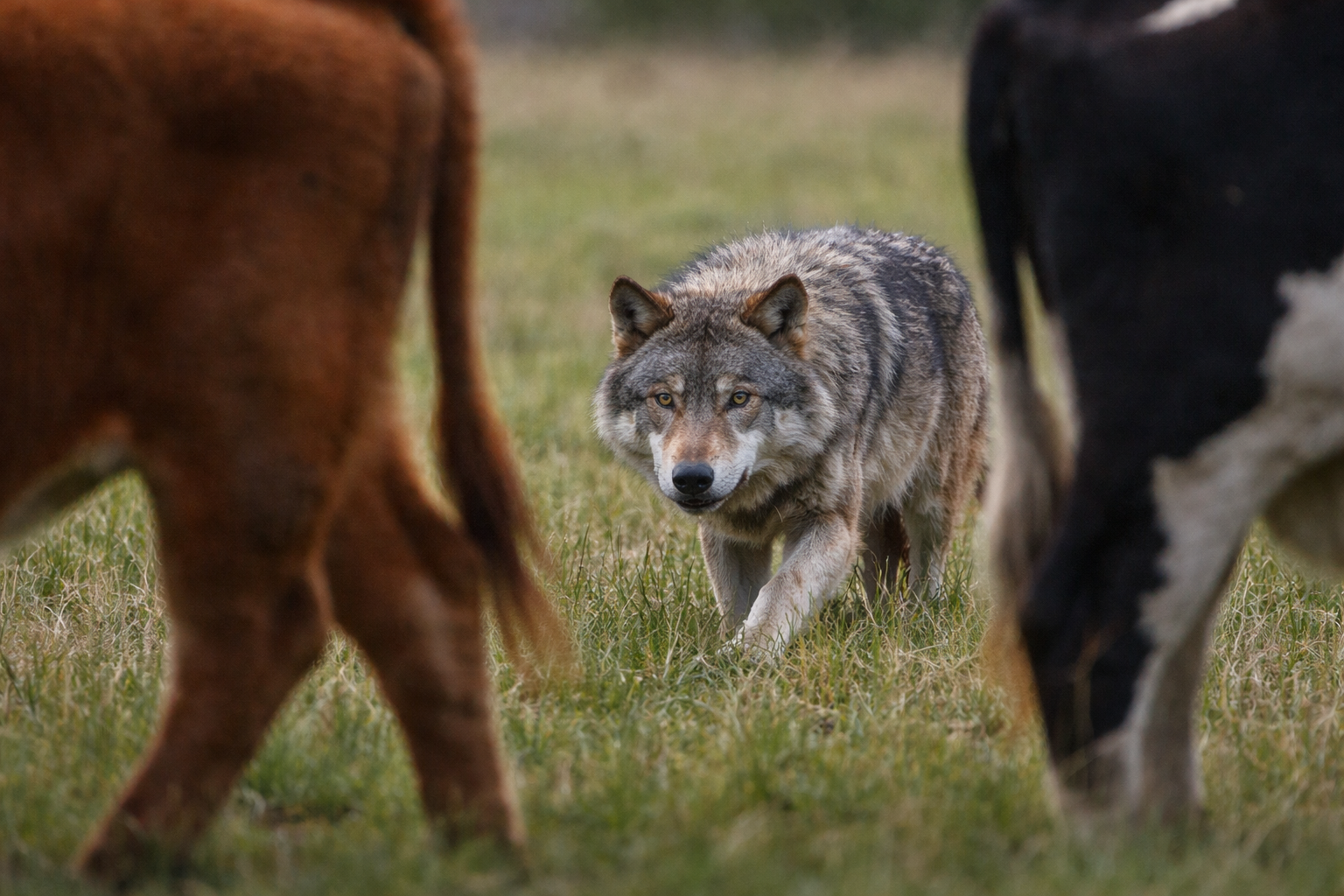
“Rewilding” and “endangered species” narratives have provided cover stories for wolf reintroductions in a number of U.S. states as well as in Europe. The Bacigalupis and other ranchers in northern California’s Siskiyou County have lost calves to wolf attacks (with the attacks classified only as “suspected” by officials). As wolves become accustomed to preying on cattle, ranchers’ livelihoods are jeopardized. According to another Siskiyou County rancher, “wolves wouldn’t be thriving in the wild without heavily supplementing their diet with cattle, which, in some cases, is their primary food source.”
A recent study by a livestock and rangeland economics specialist found that just one wolf can cause from $69,000 to $162,000 in direct and indirect cattle losses. (“Direct” refers to outright attacks; “indirect” refers to wider stress-related effects such as lower pregnancy rates in cows and decreased weight gain in calves.) Overall, the result is “millions of dollars in losses.” A $3 million compensation program for livestock producers launched in California in 2022 exhausted its funds within two years. (Biologists advocating for wolves blithely tell ranchers to “adapt,” recommending practices that ranchers say are costly and unworkable.) The financial loss estimates are particularly sobering when one considers that a lone male wolf that entered California from Oregon in 2020 had, by 2025, produced 21 pups with his newfound mate.
As if the livestock carnage were not bad enough, wolves also pose a potential threat to people. Wolves plagued rural Russians during 19th- and 20th-century upheavals, though this was sometimes covered up for tyrannical gun-control purposes. As scholar/diplomat Will Graves explained in Wolves in Russia: Anxiety Through the Ages, “For the Russian communists, it was necessary to disarm the population, which is why it was forbidden to publish reports of wolf attacks on humans.” In modern times, wolves in some areas are becoming habituated to humans and have been observed stalking children. Margaret Byfield told Elze van Hamelen in a recent Solari interview that one rural New Mexico county has installed wolf-proof “cages” in which local children have to wait for their school bus.
Bacigalupi told Range Magazine in 2024 that small-scale and independent farmers and ranchers are also “under siege” in numerous other ways, forced to navigate “decrees, orders, laws, and regulations [that] are lurking around every corner,” including the government push to also control ranchers’ water resources. We commend Bacigalupi for continuing to work to protect private property rights and address the overregulation that is beleaguering small farmers and ranchers.
Note: For more on “rewilding” and how it fits into the wider land grab agenda, we encourage you to read the “Controlling the Land” section (pp. 41-59) of Elze’s excellent Dutch Farmers and Fishermen report for Solari.
American Agri-Women Leadership Team
Open Season (Range Magazine)
American Stewards of Liberty Summit 2026
Wolves Wreak Havoc on Cattle Herds in California (2025)
Siskiyou County Ranchers on Edge over Wolf Encounters (2015)
Novel Study Calculates the Cost to Cattle Ranchers of an Expanding Wolf Population
Ted Lyon Speaks on Harmful Effects of Gray Wolves
When Do Wolves Become Dangerous to Humans?
Why New Mexico Kids Wait in Protective “Wolf Houses” at School Bus Stops
Fighting the Land Grab at the Local Level with Margaret Byfield
Food Series: The 30×30 Land Grab with Margaret Byfield
The Land Grab with Carolyn Betts, Esq.
Plunder Capitalism: Land Grab Tactics
Dutch Farmers and Fishermen: Local Heroes in the Global War on Our Food and Property Rights
Already a subscriber?

Our mission is to help you live a free and inspired life. This includes building wealth in ways that build real wealth in the wider economy. We believe that personal and family wealth is a critical ingredient of both individual freedom and community, health and well-being.
Nothing on The Solari Report should be taken as individual investment, legal, or medical advice. Anyone seeking investment, legal, medical, or other professional advice for his or her personal situation is advised to seek out a qualified advisor or advisors and provide as much information as possible to the advisor in order that such advisor can take into account all relevant circumstances, objectives, and risks before rendering an opinion as to the appropriate strategy.
Receive your free copy of Coming Clean
Be the first to know about new articles, series and events
Your shopping cart is empty
Notifications