
























Pushback of the Week
Help Kids Get Smarter—Not Dumber
September 20, 2026


No posts
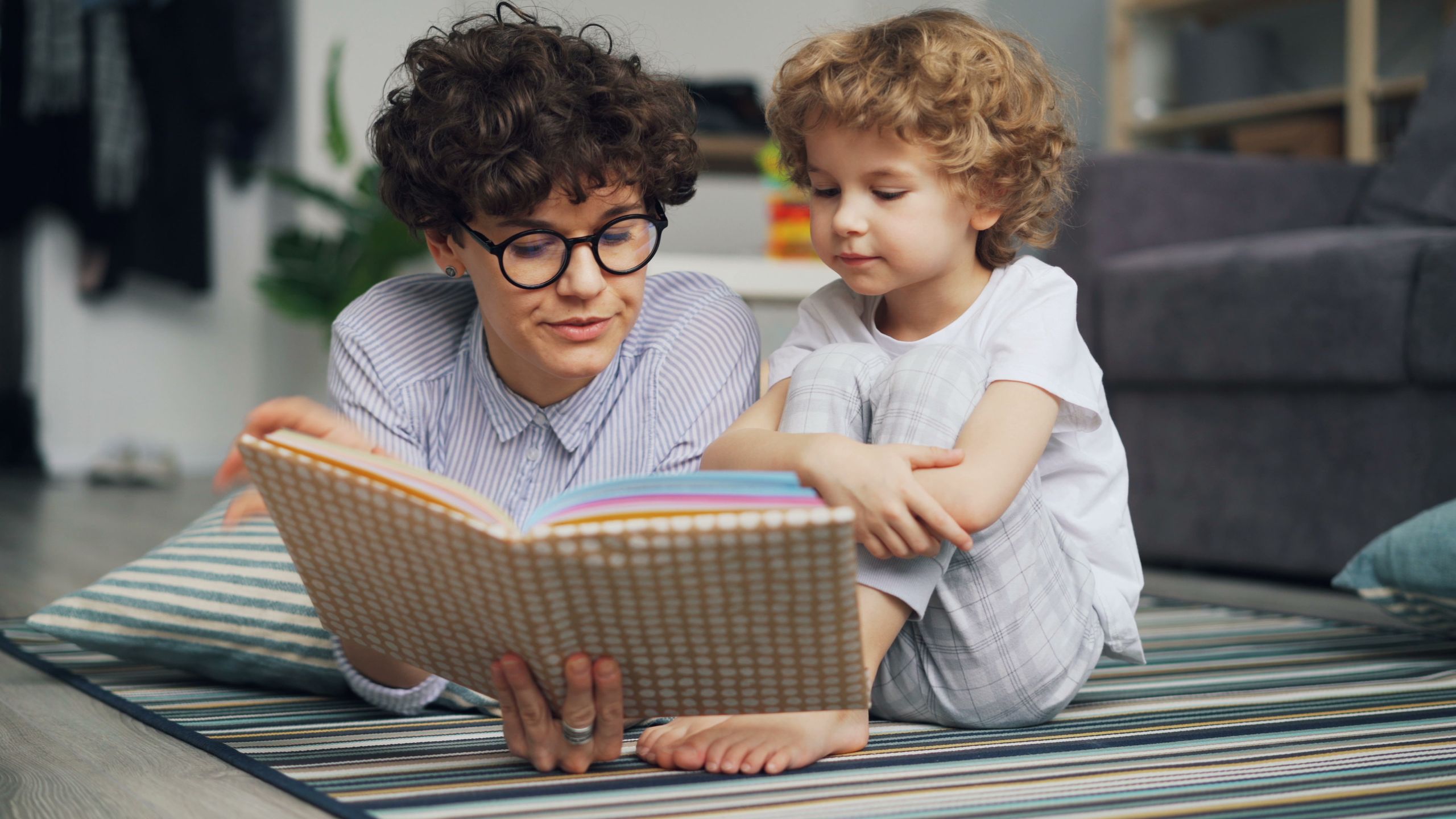
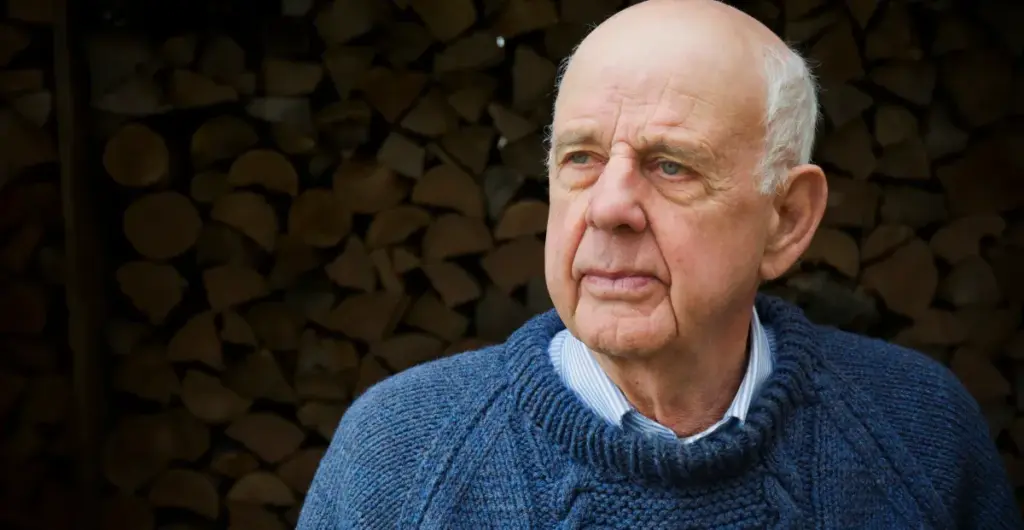
“The most influential of all educational factors is the conversation in a child’s home.”
~ William Temple
By Tom Shaw
The Organisation for Economic Co-operation and Development (OECD) recently released their annual PISA (Programme for International Student Assessment) report from 2025 tracking students’ abilities in school. One of the biggest takeaways from this year’s report was a significant decrease in reading abilities in around three-quarters of the countries studied, especially in the U.S.
The study also tracked the use of AI by students, which may point to one reason behind the decline in reading skills. Students who never used AI chatbots were, on average, the highest-scoring students across all countries, while students using AI every day were in the lowest-scoring.
Whereas measuring specific skills like reading or writing tends not to be so controversial, in the testing of areas like science, which suggested improvements rather than decline, examination of the methods used to reach this outcome tells a slightly different story. For example, within the released items from this year’s PISA assessment, we see some questions relating to “Environmental Impacts and Climate Change” that, at times, award points for answers that demonstrate “an understanding that renewable energy sources helps mitigate climate change and reduces the release of pollutants that can harm ecosystems and human health.”
It seems to me that part of “proficiency in science,” from the OECD’s point of view, is the ability to correctly recall and apply “scientific” talking points in support of global agendas, without evaluating the accuracy of the premises being presented. If school and country performance is being measured internationally by these kinds of questions, then it follows that local and national policies may be incentivized to measure “student performance” in this way, rather than on the basis of the skills the students are actually developing.
All the aspects of this study point toward a clear need to take greater responsibility in children’s education, so that their cognitive abilities to think critically about the world they’re presented with remain intact. This is what will allow children to feel empowered to build the free and inspired life for themselves that they should rightly have.
Home educators are in a position to take full responsibility for a child’s education and prevent the kinds of degeneration in cognitive ability that the OECD report points to. Last week’s Action of the Week from Solari (Real-Deal Homeschooling) is a showcase of exactly this, and is highly recommended for insights into how to build informative lesson plans around Solari’s content. Other Solari resources that may be useful for home educators, including materials from the Solari Builders course, can be found in the links below.
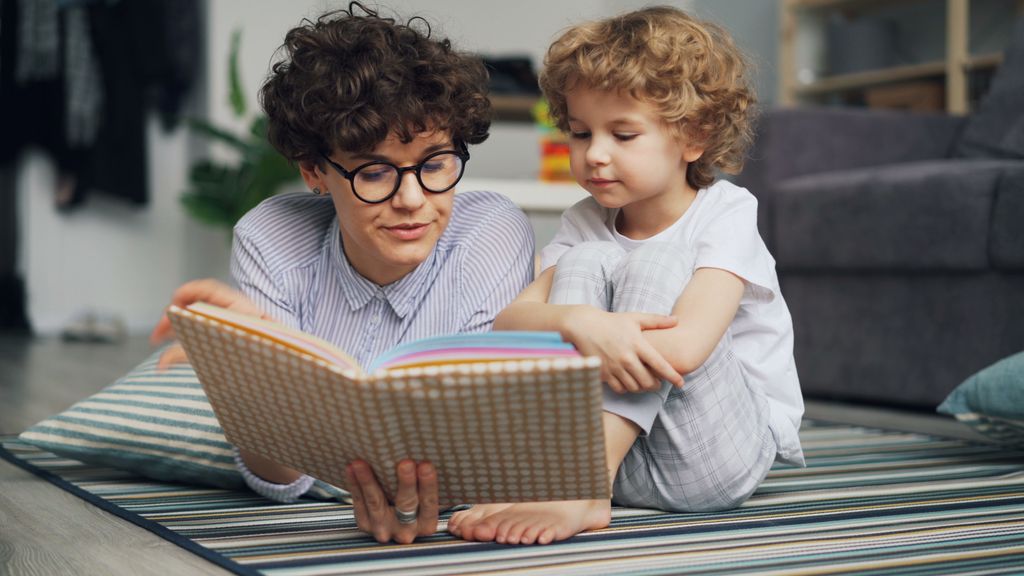
If the time isn’t right to fully homeschool your children, there are still ways to take responsibility for their learning. The dinner table can become one of the most powerful places for course-correcting inadequate state or private education. Ask children what they covered in their classes that day and give further questions or opportunities to look at what they’ve engaged with. Point out what doesn’t add up. Not only is this an easy-to-incorporate way to introduce children to Socratic dialogue—one of the most powerful conversation tools for getting to the truth of a matter and fostering critical thinking—but it’ll also reveal the kinds of materials and methods your school is using with your children and whether they are truly up-to-scratch.
You can go further to support your child’s education by:
When parents and educators take responsibility in these ways, ensuring that children are in environments that model critical thinking, a passion for learning, full exploration of world problems, and evaluation of meaningful solutions, that is when children will buck the current trend and become smarter—not dumber.
Already a subscriber?

Our mission is to help you live a free and inspired life. This includes building wealth in ways that build real wealth in the wider economy. We believe that personal and family wealth is a critical ingredient of both individual freedom and community, health and well-being.
Nothing on The Solari Report should be taken as individual investment, legal, or medical advice. Anyone seeking investment, legal, medical, or other professional advice for his or her personal situation is advised to seek out a qualified advisor or advisors and provide as much information as possible to the advisor in order that such advisor can take into account all relevant circumstances, objectives, and risks before rendering an opinion as to the appropriate strategy.
Be the first to know about new articles, series and events.
Your shopping cart is empty
Notifications