








































- LATEST
- TOP SECTIONS
- SERIES
- Money & Markets
- Weekly Solari Reports
- Ask Catherine
- News Trends & Stories
- Equity Overview
- Cognitive Liberty
- Solari Builders
- Building Wealth
- The War for Bankocracy
- Digital Money, Digital Control
- State Leader Briefings
- Food
- Food for the Soul
- Future Science
- Health
- Metanoia
- Solutions
- Spiritual Science
- Wellness
- Via Europa
- BLOGS
- RESOURCES
- COMMUNITY
- My Account
- Log In
- Subscribe
- Search
- Shop
- Support
- Donate
- Log Out
Become a member: Subscribe

NTS Headlines
Headlines by Category
Headlines by Year
- Money & Markets
- Weekly Solari Reports
- Cognitive Liberty
- Solari Builders
- Ask Catherine
- News Trends & Stories
- Equity Overview
- War For Bankocracy
- Digital Money, Digital Control
- State Leader Briefings
- Food
- Food for the Soul
- Future Science
- Health
- Metanoia
- Solutions
- Spiritual Science
- Wellness
- Building Wealth
- Via Europa






Solari’s Building Wealth materials are organized to inspire and support your personal strategic and financial planning.

Building Wealth
This 6-pillar curriculum teaches the basic literacy we need to be personally and financially successful and to do so in a manner in which together we evolve a culture that supports the emergence of an advanced human civilization.

Missing Money
Articles and video discussions of the $21 Trillion dollars missing from the U.S. government

Connect with the wider network of like-minded Solari subscribers using our in-house social media platform, Solari Connect.
No posts

Where’s the review?
In the Money & Markets commentary for that week. These are typically quick and short reviews. https://home.solari.com/catherines-money-markets-commentary-september-13th-2018/
Where’s the review?
In the Money & Markets commentary for that week. These are typically quick and short reviews. https://home.solari.com/catherines-money-markets-commentary-september-13th-2018/
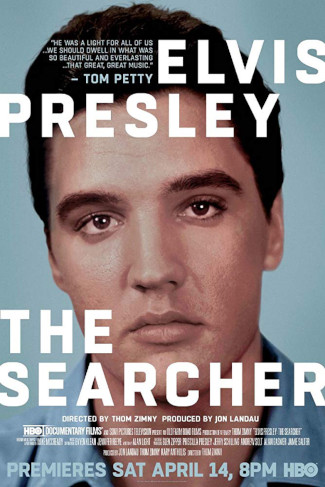
Just watched both parts today. I’ve seen a few Elvis documentaries, and I guess this one distinguishes itself on focusing on the music, and this “searching” aspect of his restless quest to find moving songs to sing. To this end, they use the 1968 comeback special as a kind of touchstone to keep drawing upon through both parts, since it contains representative parts of his entire career; spontaneous rock and roll, blues, gospel, as well as fully rehearsed dramatic vignettes to represent his movie career.
I liked the second part a little more, simply because most of the material in the first part has been covered pretty well by other documentaries; the only really new thing they added was the extra focus on the music, and voice-over narration from various music artists, ex-wife Priscilla, and friends of his.
I would recommend Elaine Dundy’s well-researched “Elvis and Gladys” (1985) if you want to go deeper into Elvis’ humble beginnings.
Just watched both parts today. I’ve seen a few Elvis documentaries, and I guess this one distinguishes itself on focusing on the music, and this “searching” aspect of his restless quest to find moving songs to sing. To this end, they use the 1968 comeback special as a kind of touchstone to keep drawing upon through both parts, since it contains representative parts of his entire career; spontaneous rock and roll, blues, gospel, as well as fully rehearsed dramatic vignettes to represent his movie career.
I liked the second part a little more, simply because most of the material in the first part has been covered pretty well by other documentaries; the only really new thing they added was the extra focus on the music, and voice-over narration from various music artists, ex-wife Priscilla, and friends of his.
I would recommend Elaine Dundy’s well-researched “Elvis and Gladys” (1985) if you want to go deeper into Elvis’ humble beginnings.