








































Pushback of the Week
Alexandra Fasulo and the Battle against Big Solar
May 24, 2026










No posts
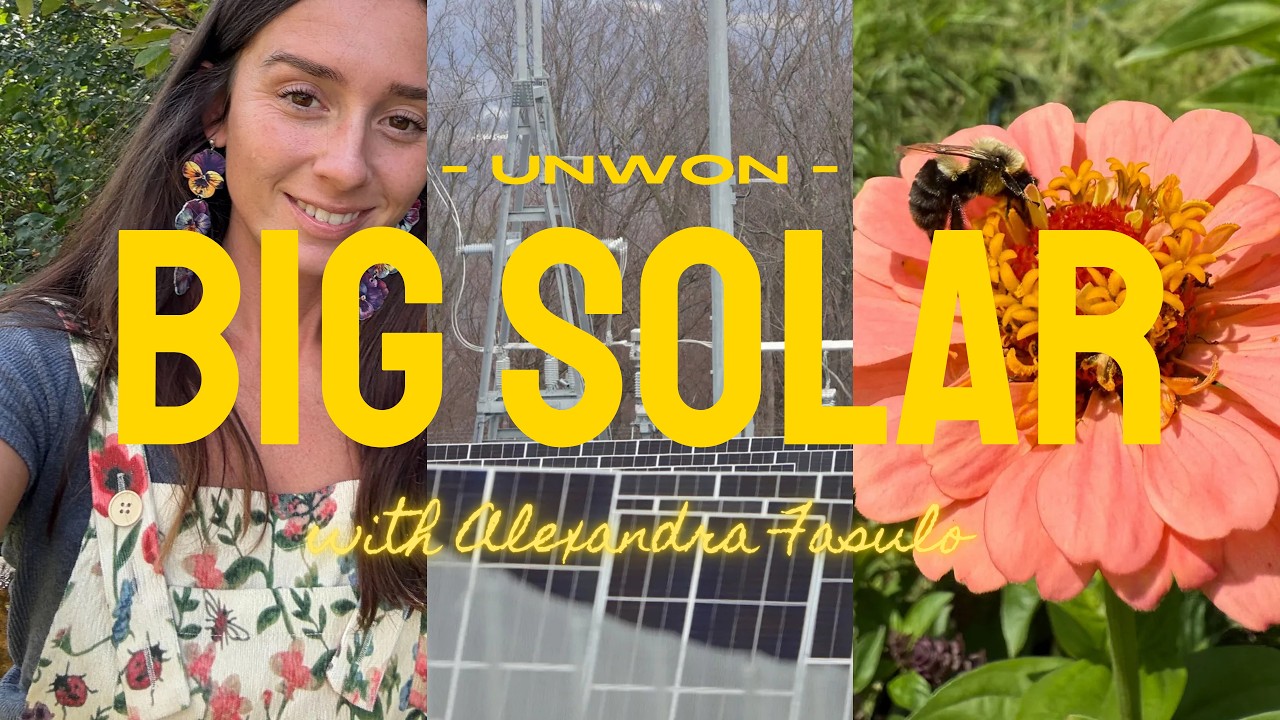
“They love to call farmland ‘open land’ or ‘grasslands’—as if there aren’t entire ecosystems, animals, people, and food being grown there—[in their view], the ‘open land’ is ‘cleared’ [and] ready for the taking.”
~ Alexandra Fasulo
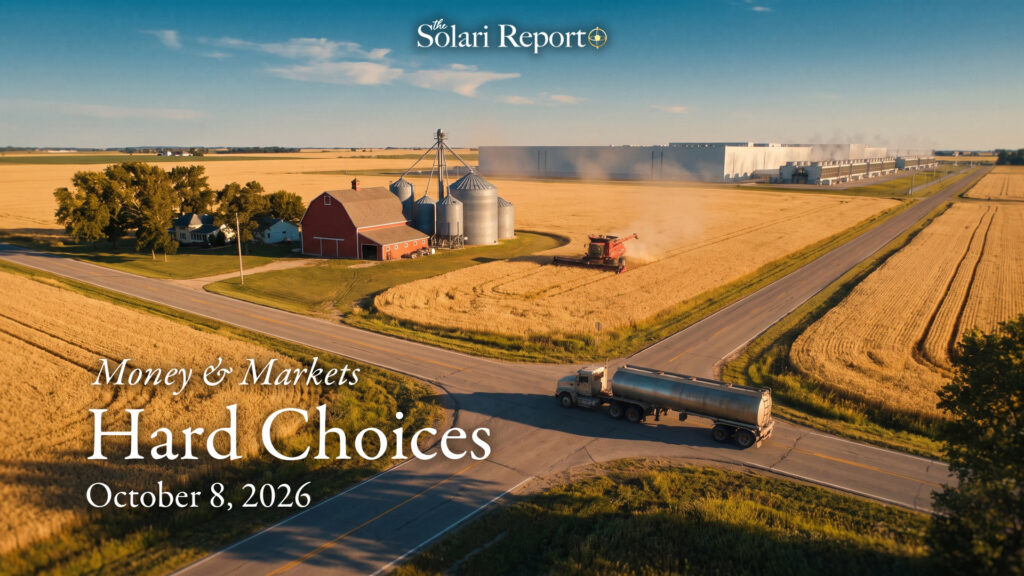
In the U.S. and worldwide, farmland and farmers are under attack from multiple directions—with data centers and industrial wind and solar currently being some of the most aggressive devourers.
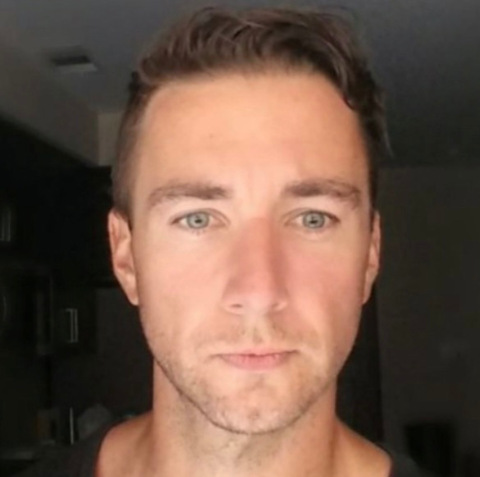
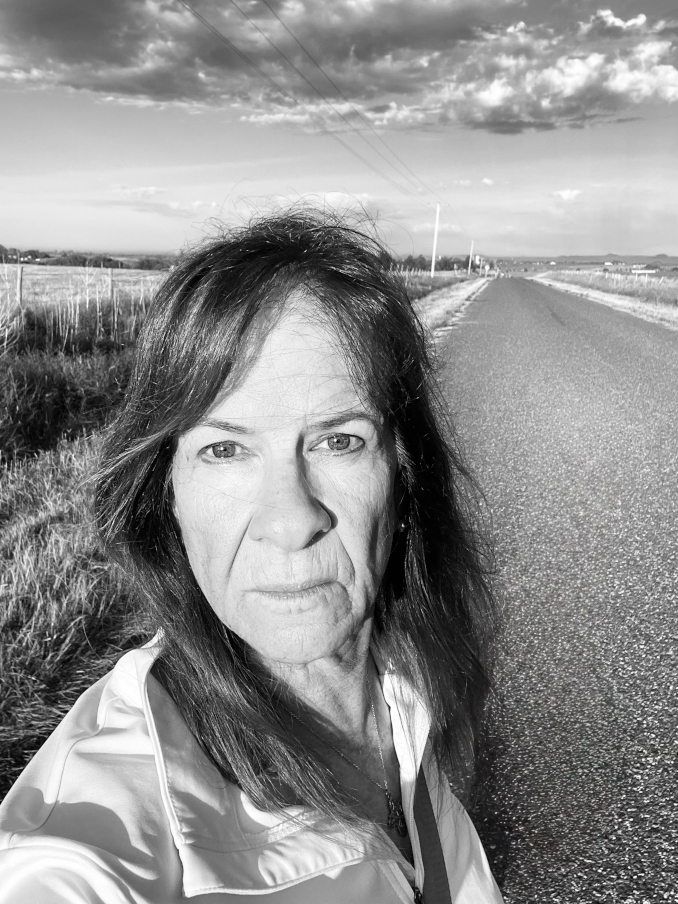
Freelance writer/researcher, social media content creator, and first-generation farmer and activist Alexandra Fasulo quickly got educated to this reality after she bought a humble 6.74-acre property in upstate New York to create a haven for pollinators. (A New York native, Fasulo moved to Florida in 2020, but the destruction of her home in 2022’s Hurricane Ian prompted her to move back to her home state.)
In May 2025, a neighbor with a nearby hay field told her that solar and wind companies were actively trying to poach his and other local farmland (he declined all offers). Fasulo—with a college background in political science and a prior stint working at the New York State Assembly—got to work learning about the underbelly of the “renewable” energy industry.
Along the way, she had a revealing encounter with a lobbyist from a California solar conglomerate. Astounded that he would travel across country to attend a small-town board meeting in rural New York, she engaged him in conversation and asked why industrial solar did not pick more appropriate and less environmentally damaging sites. Describing the hassle and expense of doing so, he admitted, “Smaller towns are basically easier to get to roll over … for what we want to do.” As Fasulo notes, conglomerates take advantage of the fact that rural landowners are busy people who often lack the savvy to navigate complex contracts.
Small local governments can’t afford expensive legal teams, so Fasulo has founded the American Land Rescue Fund (ALRF). The nonprofit has brought a lawsuit against New York’s Office of Renewable Energy Siting and Electric Transmission (ORES), which has been working to advance the Fort Edward Solar Project—an industrial power plant sited on 1,800+ acres of the last grasslands of their kind in the Northeast. The lawsuit points out that when ORES was created in 2020, it was given:
“extraordinary powers over the siting of major renewable energy facilities, including being exempt from the State Environmental Quality Review Act and having the power to override any local laws or regulations that might otherwise limit renewable energy projects or require them to be sited in more appropriate locations.”
At her Substack, Fasulo also has been busy educating the public about some critical points:
What Fasulo has documented in New York is emblematic of a wider phenomenon of preemption that seems to be snowballing—whether state preemption over local, or federal preemption over state. Even so, there is a lot we can do locally to push back. As Fasulo emphasizes, one of the most powerful things local residents can do is keep an eye on local zoning by attending monthly zoning board meetings.
For more ideas on local action, stay tuned for Elze van Hamelen’s forthcoming report, Mr. Global in Your Street: Local Politics and Money Are the Last Line of Defense.
Already a subscriber?

Our mission is to help you live a free and inspired life. This includes building wealth in ways that build real wealth in the wider economy. We believe that personal and family wealth is a critical ingredient of both individual freedom and community, health and well-being.
Nothing on The Solari Report should be taken as individual investment, legal, or medical advice. Anyone seeking investment, legal, medical, or other professional advice for his or her personal situation is advised to seek out a qualified advisor or advisors and provide as much information as possible to the advisor in order that such advisor can take into account all relevant circumstances, objectives, and risks before rendering an opinion as to the appropriate strategy.
Receive your free copy of Coming Clean
Be the first to know about new articles, series and events
Your shopping cart is empty
Notifications