




















































Action of the Week
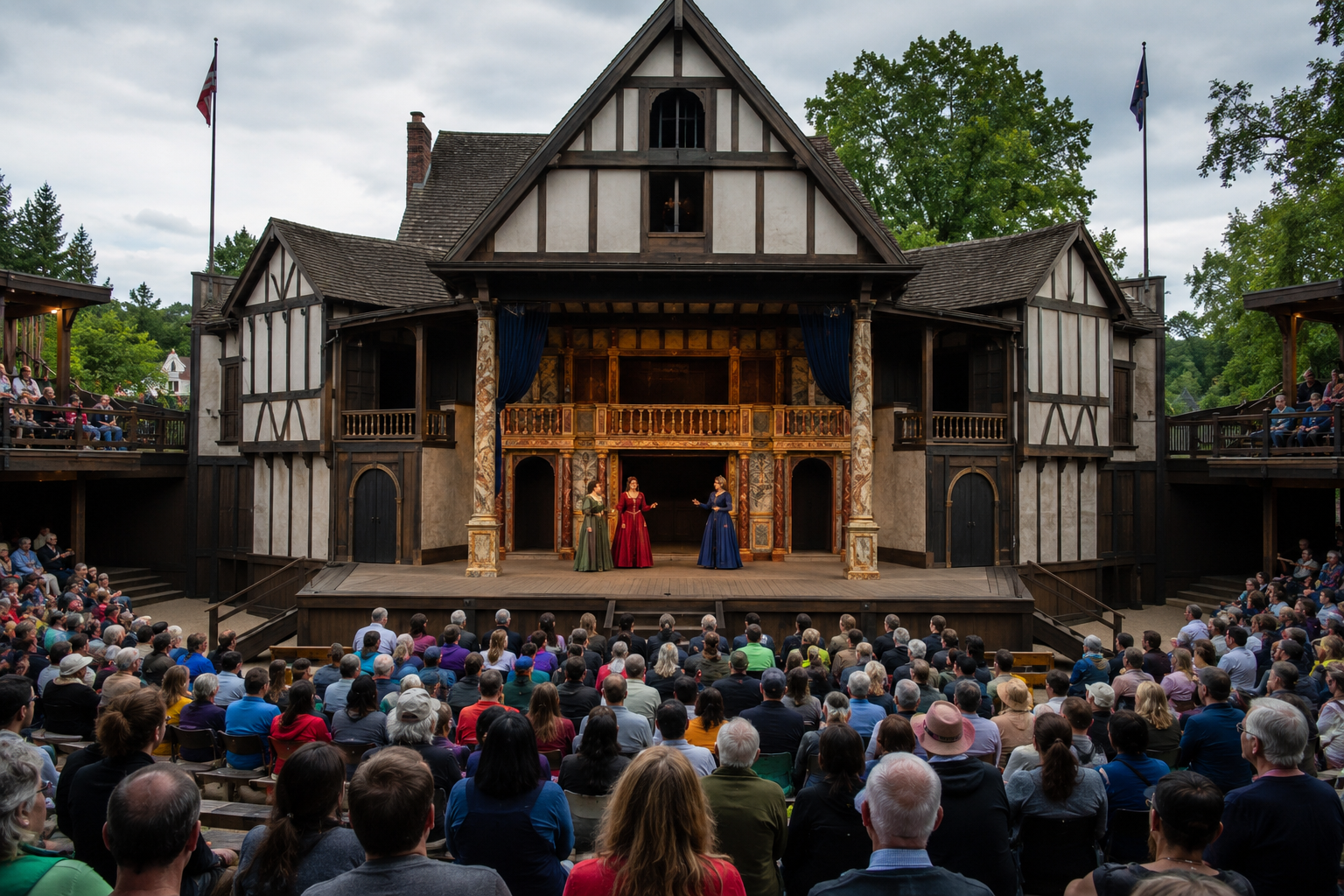
Reviving Culture through Summer Theater
July 5, 2026









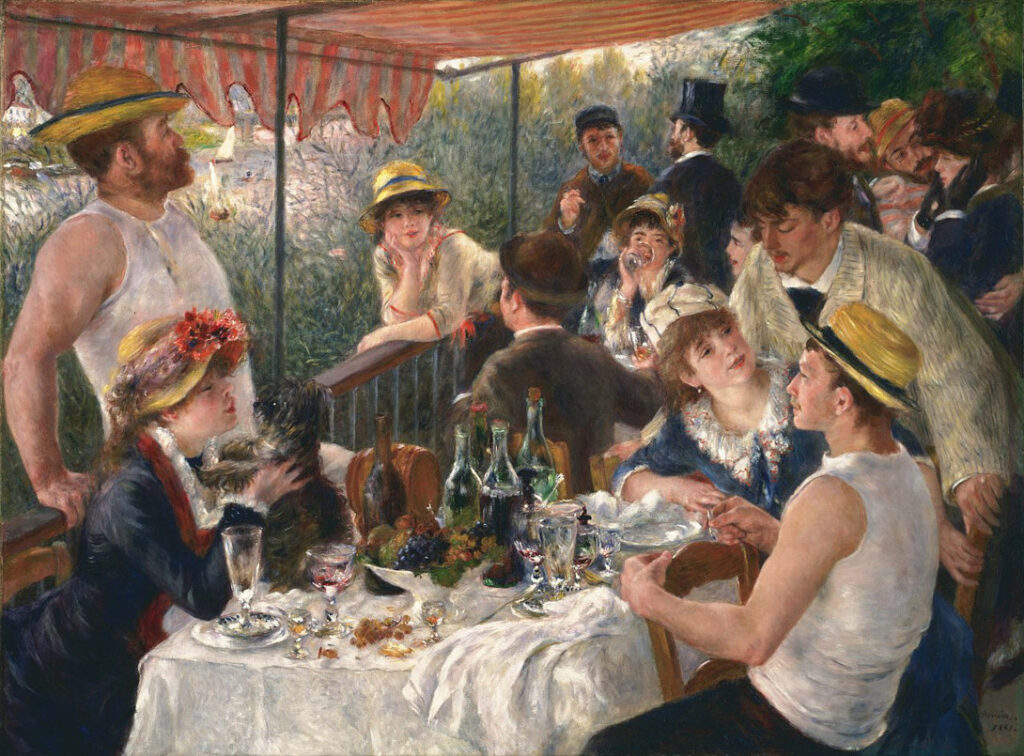
“I regard the theatre as the greatest of all art forms, the most immediate way in which a human being can share with another the sense of what it is to be a human being.”
~ Oscar Wilde
When the National Endowment for the Arts (NEA) last released a Survey of Public Participation in the Arts (SPPA), reporting on trends from July 2021 to July 2022, the survey confirmed what theaters and concert halls already knew: the plandemic-related shutdowns (and, in all likelihood, the subsequent masking and vaccination requirements) had clobbered in-person attendance at performing arts events. Media coverage of the NEA’s report warned that the results were “amplifying alarm bells that the arts community is struggling to regain its pre-shutdown audience.”
Over the 12-month period ending in July 2022, fewer than half of U.S. adults (48%) attended one or more arts events (down from 54% in 2017)—and only 4.5% attended a non-musical stage play (down from 9.4%). By summer 2023 (when the NEA authors penned their report), a shocking number of decades-old regional theater organizations had closed—at least 35, by American Theatre’s count—“with casualties recorded at every kind of theatre,” not sparing renowned companies in theater meccas like New York, Chicago, and San Francisco. Other theaters reported struggling to survive by reducing, cutting back, relocating, or pausing operations.
For these and other reasons, we take as a good sign the announcement by Mount Holyoke College that it is reintroducing the Mount Holyoke College Summer Theatre, a summer stock theater intended to be a “professional launching pad that bridges the gap between academic theatre training and the theatre industry.” In this instance, it was not the plandemic that killed the college’s once-thriving summer theater tradition 25 years ago but, presumably, a lack of funding that has now been remediated by an anonymous donor.
Regional and summer-stock theater are entirely different creative entities from behemoths like Broadway, where private equity is making incursions. When Broadway reported that its 2025-2026 season had broken box office records despite a “dip” in attendance, the public’s response on social media was scathing, with ticket prices condemned as “outrageous” and “astronomical,” shows poo-pooed as unoriginal, and the business model criticized for rewarding billionaires rather than “the performers & techs keeping the shows afloat.” More optimistically, one person expressed the view that “the working class will innovate. Culture comes from the bottom up.”
Asked why post-2020 audience demand “fell off a cliff,” audience trends experts have attributed the declining attendance to a Covid-induced shift in consumer behavior. However, theaters also share some of the blame—for “allow[ing] the engine to stall” by not engaging with subscribers, donors, and community partners, say the experts—but also for adhering to the party line on uneconomic shutdowns and dangerous injection requirements.
The U.S. Census Bureau has administered the SPPAs for the NEA every five years or so since 1982. Let’s hope that the next one (which we can expect around 2028) highlights more robust live theater attendance. We can all do our part by attending plays and supporting the theaters we love.
As the NEA reported back in 1996 (after having documented a 13% increase in theater attendance between 1982 and 1992), theater “easily speaks to contemporary audiences, not only through new plays but also through new interpretations of older works,” with the “traditionally smaller scale of theater productions afford[ing] the art form an element of spontaneity … and a facility for relevance.” Modern theater groups agree that live theater is unique. At Solari, we enjoy movies, but great theater beats the movies any day of the week!
Kudos to the brilliant and hardworking Noah Tuleja, a friend of Catherine’s who participated in the original Summer Theatre and is now an associate professor and chair of the college’s Film Media Theater department, for his leadership in the summer program’s reinvigoration.
Already a subscriber?

Our mission is to help you live a free and inspired life. This includes building wealth in ways that build real wealth in the wider economy. We believe that personal and family wealth is a critical ingredient of both individual freedom and community, health and well-being.
Nothing on The Solari Report should be taken as individual investment, legal, or medical advice. Anyone seeking investment, legal, medical, or other professional advice for his or her personal situation is advised to seek out a qualified advisor or advisors and provide as much information as possible to the advisor in order that such advisor can take into account all relevant circumstances, objectives, and risks before rendering an opinion as to the appropriate strategy.
Be the first to know about new articles, series and events.
Your cart is currently empty!
Notifications