




























Action of the Week
The Power to Say No
September 6, 2026





No posts
“In the world’s broad field of battle, In the bivouac of Life, Be not like dumb, driven cattle! Be a hero in the strife!”
~ Henry Wadsworth Longfellow, “A Psalm of Life”
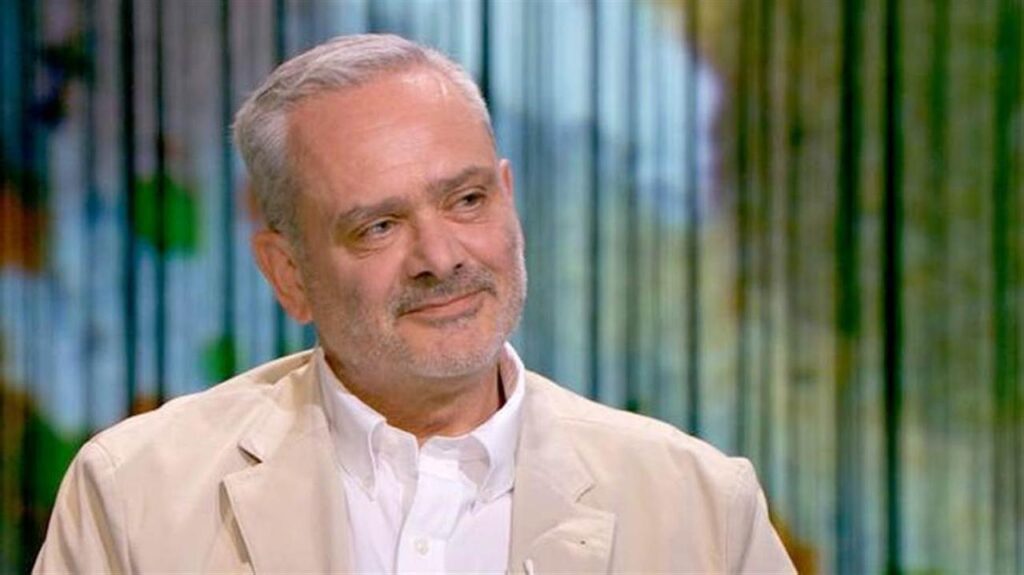
By Tom Shaw
Saying “no” is one of the most powerful acts we can do to honor our boundaries and stop the ever-increasing impositions by autocrats and unelected organizations on our lives. Yet, many people still struggle to do so because they can’t see beyond the fear conditioning that has persuaded them that saying “no” brings only negative consequences, injustice, and punishments.
Poetry, more than any other art form, has found ways to describe and depict the world we create when we say “no” and stand in our sovereignty. It brings harmony out of the discomfort both figuratively and literally, through the use of rhyme, assonance, and poetic devices. Poets have created references we can use to replace the fear conditioning—and when that happens, “no” becomes the easiest word for us to say.
The use of poetry to challenge (or say “no” to) the status quo is as old as the art form itself. In the poems of the ancient worlds, the drawing of our attention to particular scenes, images, or juxtapositions of images is what encourages us to challenge our framing of an issue or idea, precisely through changing the way we observe something—leaving us as readers to meditate on our relationship to the idea presented. This tradition of finding wisdom through differing observations and “facets” of natural phenomena is particularly rich in Eastern poetic history—and is exactly what Alastair Crooke highlights in his recent Solari Builders lecture as one reason why Western governments often struggle to understand such civilizations.
Although there have been examples of this style of poetry in the West, it’s also true that the Romantic period in art encouraged a movement toward poetry representing the consciousness of the individual—and with it, often a delivery of a moral idea or argument. There are great examples of this kind of poetry that keep the context of the “observation” intact, and we get powerful results that inspire and elevate us to say “no” in the face of evil and tyranny. Perhaps this is why poetry, like other art forms and entertainment, has taken to abandoning that element of critical observation while sticking to the projection of “preferred” worldviews. Now, “approved” arts come with the expectation that the audience must go away and act in accordance with the framing, agenda, or narrative put forward—regardless of its adherence to truth or not. The decline of contemporary arts into propaganda is just one of the many flavors of social engineering in the ice cream parlor of Mr. Global, right next to similar flavors of postmodernism, the scientism of Covid, technocracy, omniwar, and so forth.
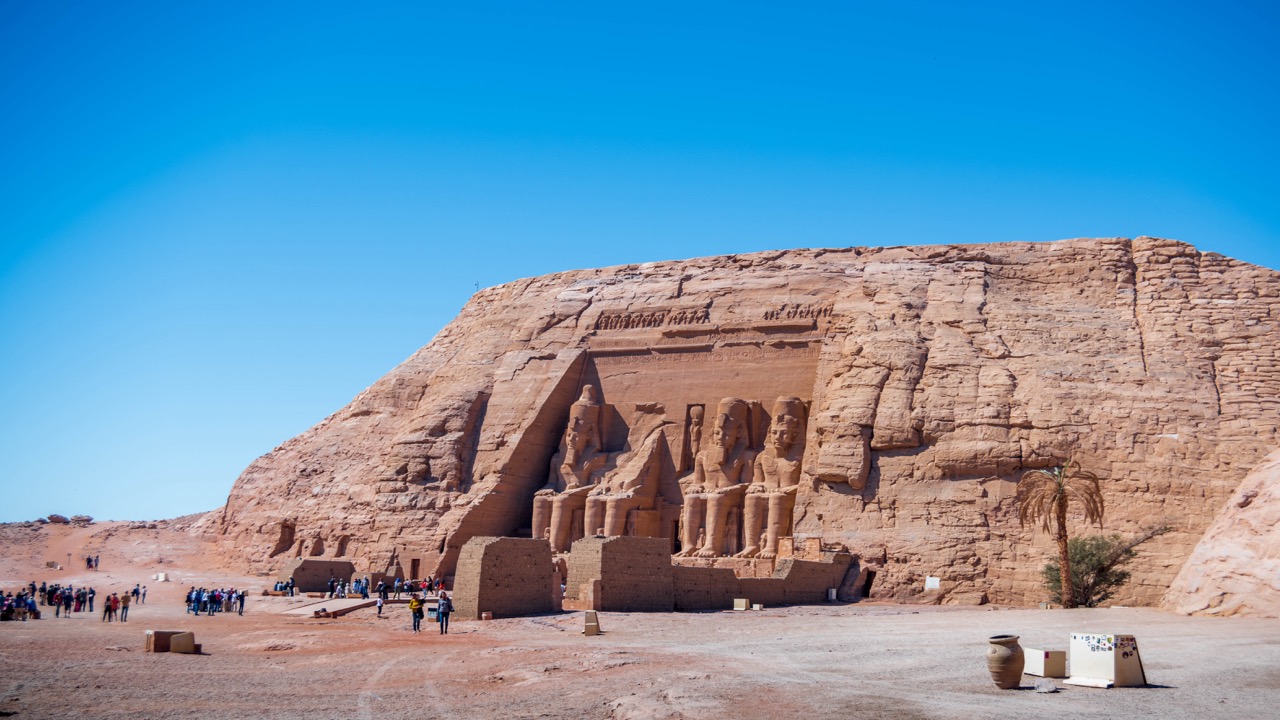
But those poems that do give us a taste of freedom—a taste of what it’s like to resist meaningfully and morally, a taste of the triumph of the human spirit over the suppression of the innocent—are still available to us. Perhaps one of the most famous examples of this is Percy Bysshe Shelley’s 1818 poem, “Ozymandias”:
Ozymandias
I met a traveller from an antique land
Who said: Two vast and trunkless legs of stone
Stand in the desert. Near them, on the sand,
Half sunk, a shattered visage lies, whose frown,
And wrinkled lip, and sneer of cold command,
Tell that its sculptor well those passions read
Which yet survive, stamped on these lifeless things,
The hand that mocked them and the heart that fed:
And on the pedestal these words appear:
“My name is Ozymandias, king of kings:
Look on my works, ye Mighty, and despair!”
Nothing beside remains. Round the decay
Of that colossal wreck, boundless and bare
The lone and level sands stretch far away.
Critiquing authoritarianism is common in Shelley’s work, but it’s how he captures the sentiment in a 14-line sonnet that’s led to this poem being anthologized many times over and taught in schools worldwide. By making the poem a secondhand account, Shelley heightens the irony of how “mighty” Ozymandias saw himself when compared to the “colossal wreck” that actually remains. In his excellent analysis of “Ozymandias” for Rising Tide Foundation, Adam Seida has this to say:
“Indeed, the narrator presumes the sculptor ‘mock’d’ his master, rather than faithfully executing a portrait because the ‘cold command’ in the portrayal seems too perfectly consistent with the grandiosity of the monument. The features are almost a caricature. And the narrator can ‘[t]ell that its sculptor well those passions read’ because he, too, knows the sort of ‘heart’ that commands for self-aggrandizement. The sculptor saw in Ozymandias what the narrator (and contemporary readers) saw in Napoleon.
Ozymandias, then, is about much more than the futility of tyranny. It is, first of all, about the power of art. Ozymandias’ immortality depends solely on the artist carving his portrait, and the decisions the artist makes in execution determines how the world sees the subject, and therefore controls his fate. The nameless artist, then, is truly more powerful than the monarch whose name is carved in stone.”
Not only is it the “sculptor” who has preserved his own integrity, depicting Ozymandias as he truly was, but the poet has, too. In the use of art to record the truth and a refusal to lower themselves to denial of the truth, poets create a world where we as readers can know what it is to outlive the tyranny of others. We recognize intuitively and cognitively how our attempts to create beauty and celebrate the true talent of others can resist the efforts of those who would rather steal their power, unearned.
The power to say “no” is also for our personal endeavors. This is what Henry Wadsworth Longfellow captures in his poem “A Psalm of Life”:
A Psalm of Life
What the Heart of the Young Man Said to the Psalmist:
Tell me not, in mournful numbers,
Life is but an empty dream!
For the soul is dead that slumbers,
And things are not what they seem.
Life is real! Life is earnest!
And the grave is not its goal;
Dust thou art, to dust returnest,
Was not spoken of the soul.
Not enjoyment, and not sorrow,
Is our destined end or way;
But to act, that each to-morrow
Find us farther than to-day.
Art is long, and Time is fleeting,
And our hearts, though stout and brave,
Still, like muffled drums, are beating
Funeral marches to the grave.
In the world’s broad field of battle,
In the bivouac of Life,
Be not like dumb, driven cattle!
Be a hero in the strife!
Trust no Future, howe’er pleasant!
Let the dead Past bury its dead!
Act,—act in the living Present!
Heart within, and God o’erhead!
Lives of great men all remind us
We can make our lives sublime,
And, departing, leave behind us
Footprints on the sands of time;
Footprints, that perhaps another,
Sailing o’er life’s solemn main,
A forlorn and shipwrecked brother,
Seeing, shall take heart again.
Let us, then, be up and doing,
With a heart for any fate;
Still achieving, still pursuing,
Learn to labor and to wait.
Published 20 years after Shelley’s poem, “A Psalm of Life” is one of Longfellow’s earliest—and most enduring—poems from his first collection, Voices of the Night. Many of the lines of “A Psalm of Life” speak for themselves, yet this piece could not have worked as an essay, speech, opinion piece, or report. The piece works so well because it is a formal, structured poem. The regular rhyme scheme is the “footprints on the sands of time.” The alternating pattern of 8- and 7-syllable lines, using a “trochaic tetrameter” rhythm, marries the energy of life and gives it an oral storytelling quality without it becoming too formulaic (or like “dumb, driven cattle”). Yet, Longfellow does not give up the discipline and craft of his intellect in its structure; it is “still achieving, still pursuing” that desired effect. As a result, we get an incremental, thematic progress through the poem, allowing each line and word to land home, reinforced all the way up to the point where we truly “learn to labor and to wait.”
If Shelley’s “no” is rooted in the strength of knowing that the subjugation of a populace is ultimately futile, Longfellow’s “no” is the call-up to have us stand in our individual agency in the here-and-now. Longfellow’s “no” is not just a resistance to the allure of a herd mentality, but a recognition that we each have a path and a calling that is our sole (and perhaps our “soul”) responsibility to walk in its fullest. That, to me, is a psalm worth living by.
Life demands effort—and the reward does not come through instant gratification. We make our own meaning in the world. When we improve our own circumstances, we improve the circumstances of those around us. We become our own heroes, knowing that we are the only person capable of preventing the tyranny of others. In doing so, we find the power to say “no” to protect what we know to be good: our innate value, our knowing of right and wrong, and our ability to create and improve our own lives and the lives of those around us. We do not wait for the heroes we need to emerge elsewhere; we are those heroes. We are the ones who—“heart within, and God overhead”—build the free and inspired life for ourselves.
In the face of those who would rather suppress our individual genius, our ability to create multigenerational wealth, and our drive to be the healthiest and happiest we can be, remember this: the poets have already shown you why you should say “no.” All you need to do is say it.
Already a subscriber?
Our mission is to help you live a free and inspired life. This includes building wealth in ways that build real wealth in the wider economy. We believe that personal and family wealth is a critical ingredient of both individual freedom and community, health and well-being.
Nothing on The Solari Report should be taken as individual investment, legal, or medical advice. Anyone seeking investment, legal, medical, or other professional advice for his or her personal situation is advised to seek out a qualified advisor or advisors and provide as much information as possible to the advisor in order that such advisor can take into account all relevant circumstances, objectives, and risks before rendering an opinion as to the appropriate strategy.
Receive your free copy of Coming Clean
Be the first to know about new articles, series and events
Your shopping cart is empty
Notifications