This 6-pillar curriculum teaches the basic literacy we need to be personally and financially successful and to do so in a manner in which together we evolve a culture that supports the emergence of an advanced human civilization.
It is the weekend of Pentecost, the festival of the Holy Spirit, and we chose our Music of the Week to reflect its power. We are listening to Gustav Mahler’s Symphony No. 8 in E flat major.
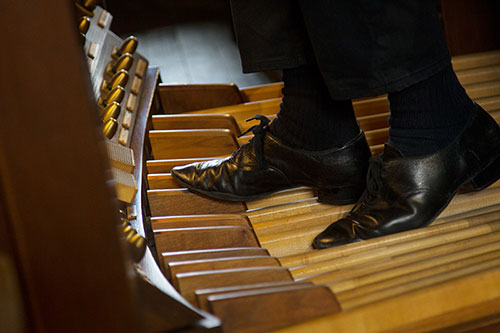
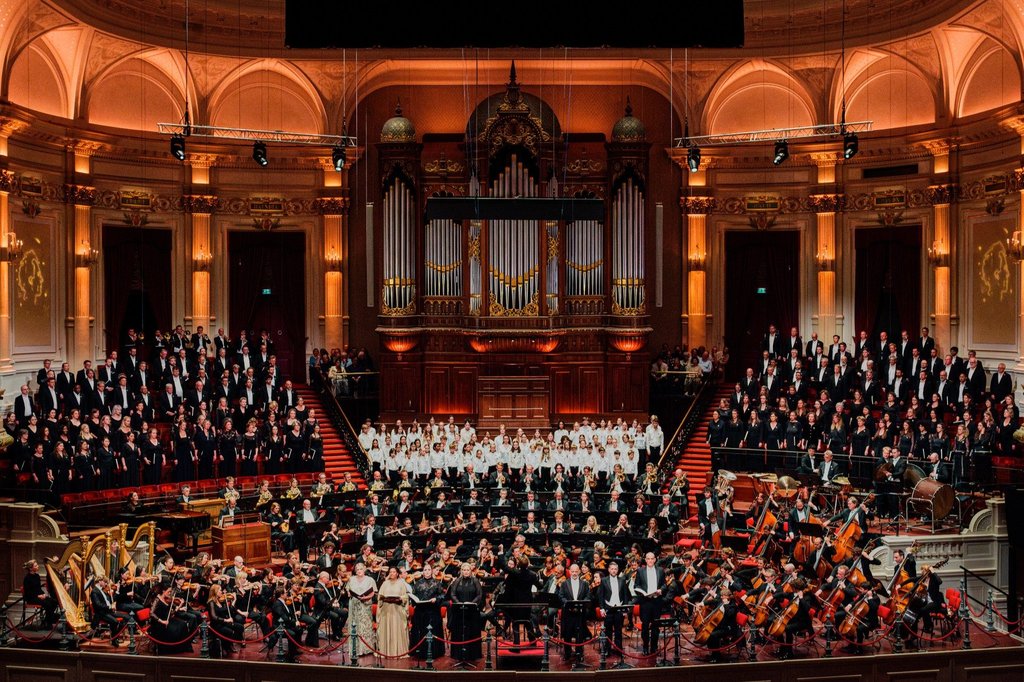
Among the great symphonic works of the 20th century, few compositions possess the scale, ambition, and spiritual intensity of this piece. Premiered in Munich in 1910, the work became known as the “Symphony of a Thousand” because of the enormous number of performers required: multiple choirs, children’s chorus, eight vocal soloists, organ, and a vast orchestra.
What makes the Eighth Symphony legendary is not merely its size, but the dramatic idea that lies behind it. Mahler attempted nothing less than a musical vision of spiritual redemption and human transformation. The symphony unites two seemingly unrelated texts: the medieval Latin hymn Veni Creator Spiritus in the first part, and the final scene from Goethe’s Faust in the second. The connection between them is the idea of divine creative power, the force that transforms humanity through love, inspiration, and grace.
Pentecost is the time when the Holy Spirit came to rest upon the disciples in the shape of tongues of fire, and all began to receive the gifts of the spirit. This is what is described in the opening hymn, Veni Creator Spiritus (“Come, oh Creative Spirit”), invoking the descent of the Holy Spirit upon humanity.
“Come, Creator Spirit,
visit the souls of your people;
fill with heavenly grace
the hearts you have created.”
Mahler treats these words like a universal statement about the energy of creation itself. Hence, he begins his music not quietly or prayerfully, but with an immense choral outburst—the great rushing sound of the Spirit of God.
The second part of the symphony moves away from theology and into the philosophical and poetic world of Goethe. Here, Mahler sets the closing scene of Faust, in which Faust’s soul is ultimately redeemed through eternal love and striving. The famous final line—“Das Ewig-Weibliche zieht uns hinan” (“The Eternal Feminine draws us upward”)—becomes the culmination of the entire symphony. The Holy Spirit is that eternal Feminine aspect of the Divine!
It is said that Mahler conceived the opening theme suddenly “in a single vision” while staying at his summer hut in Maiernigg in Austria. According to his wife Alma Mahler, he stormed into the house exclaiming that the entire first movement had arrived fully formed in his mind. This almost mystical account contributed to the mythology surrounding the symphony.
The premiere itself became one of the major musical events of the era. Conducted by Mahler in Munich on September 12, 1910, it attracted leading cultural figures from across Europe, including writers, composers, and intellectuals. Among those present were Thomas Mann, Leopold Stokowski, and Richard Strauss. The performance was an enormous success—one of the few unequivocal triumphs Mahler experienced during his lifetime. Mahler died less than a year later in 1911.
Today, Mahler’s Eighth Symphony remains one of the most awe-inspiring achievements in Western music. Its vast forces, spiritual themes, and fusion of sacred hymn and philosophical drama continue to fascinate. More than simply a monumental symphony, it stands as Mahler’s attempt to express humanity’s longing for transcendence—a musical Pentecost in which creative spirit descends upon the world in song.