









































































































Action of the Week
Springtime Inspiration: Sakura in Japan
April 12, 2026










No posts
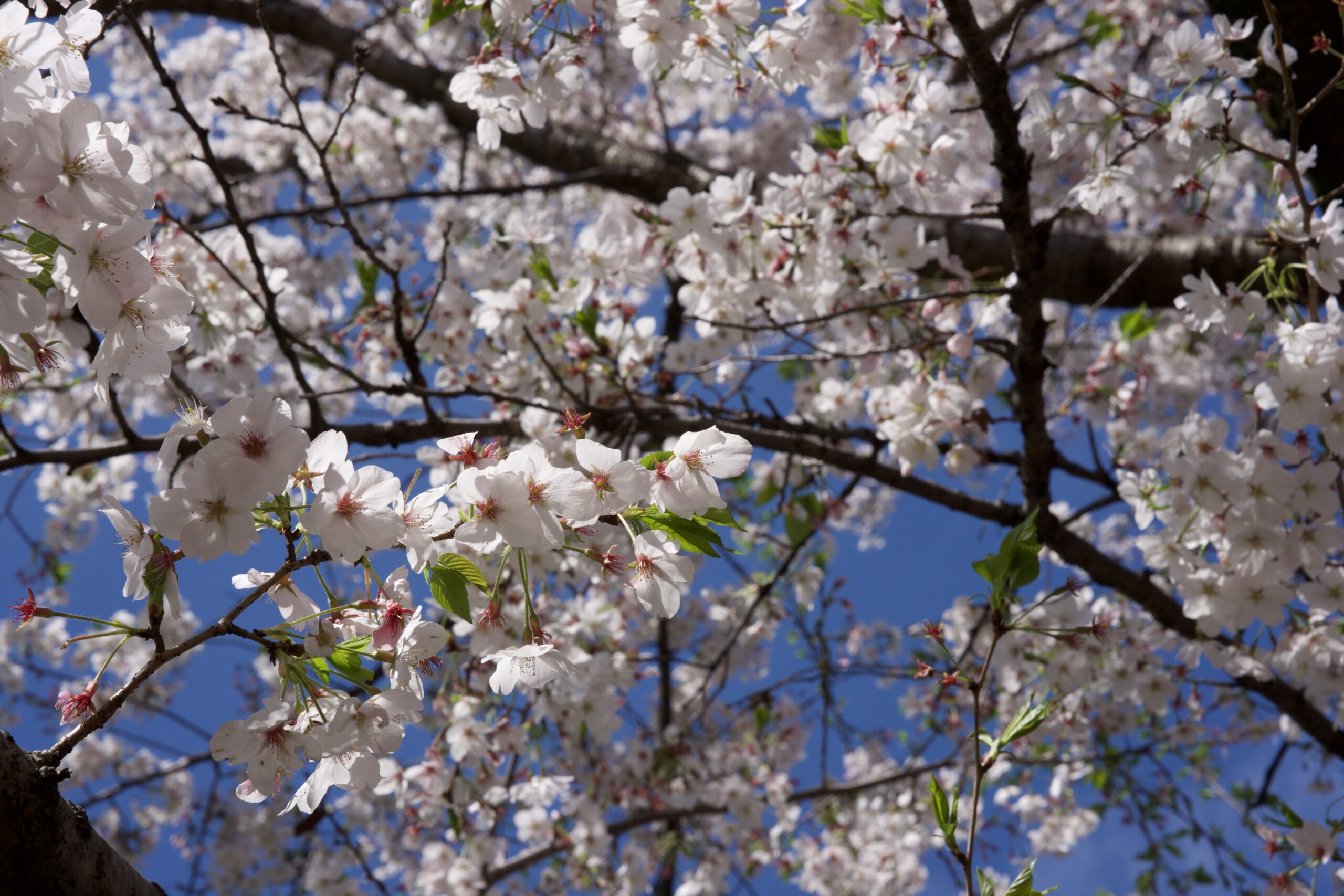
“Today we sit under the cherry trees as they drop pollen.”
~ Michael Yon
[Note: We hope you enjoy this thoughtful guest post by our allies Michael Yon and Masako Ganaha. Consider supporting Michael, whose offerings help connect many dots, at his Substack, “Big Honey – Michael Yon in Action.”]
By Michael Yon and Masako Ganaha
Cherry blossoms (sakura) are a national symbol of Japan. Millions of people spread across Japan each year to experience one of Mother Nature’s most spectacular light shows. Visitors even fly in from around the world just for this fleeting moment.
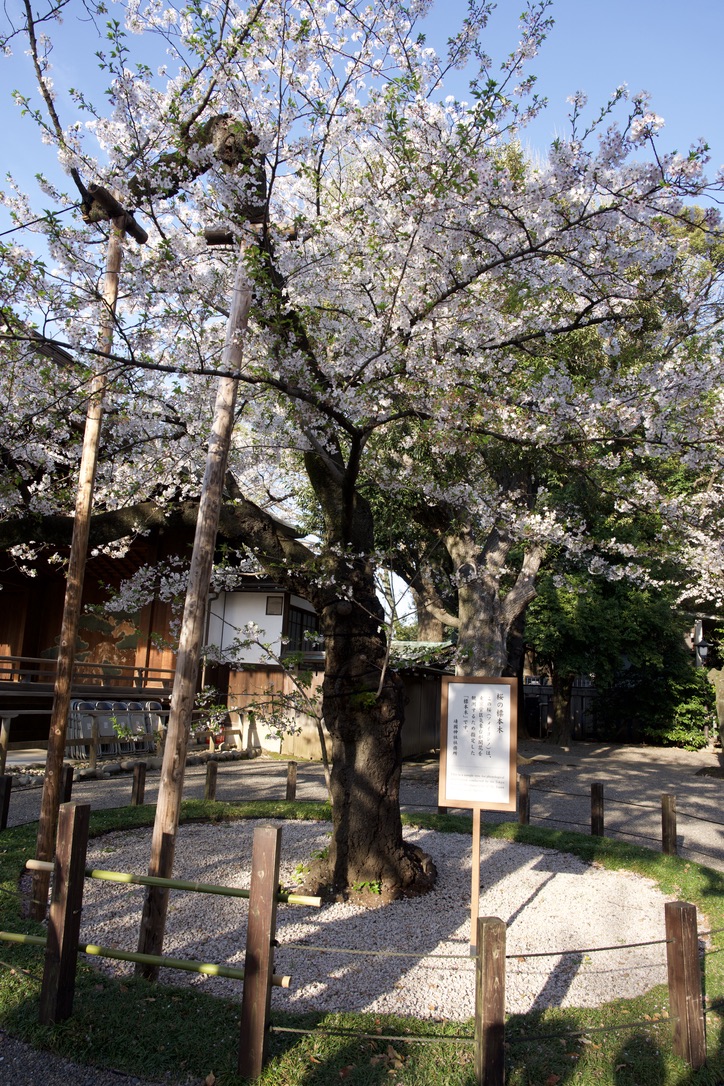
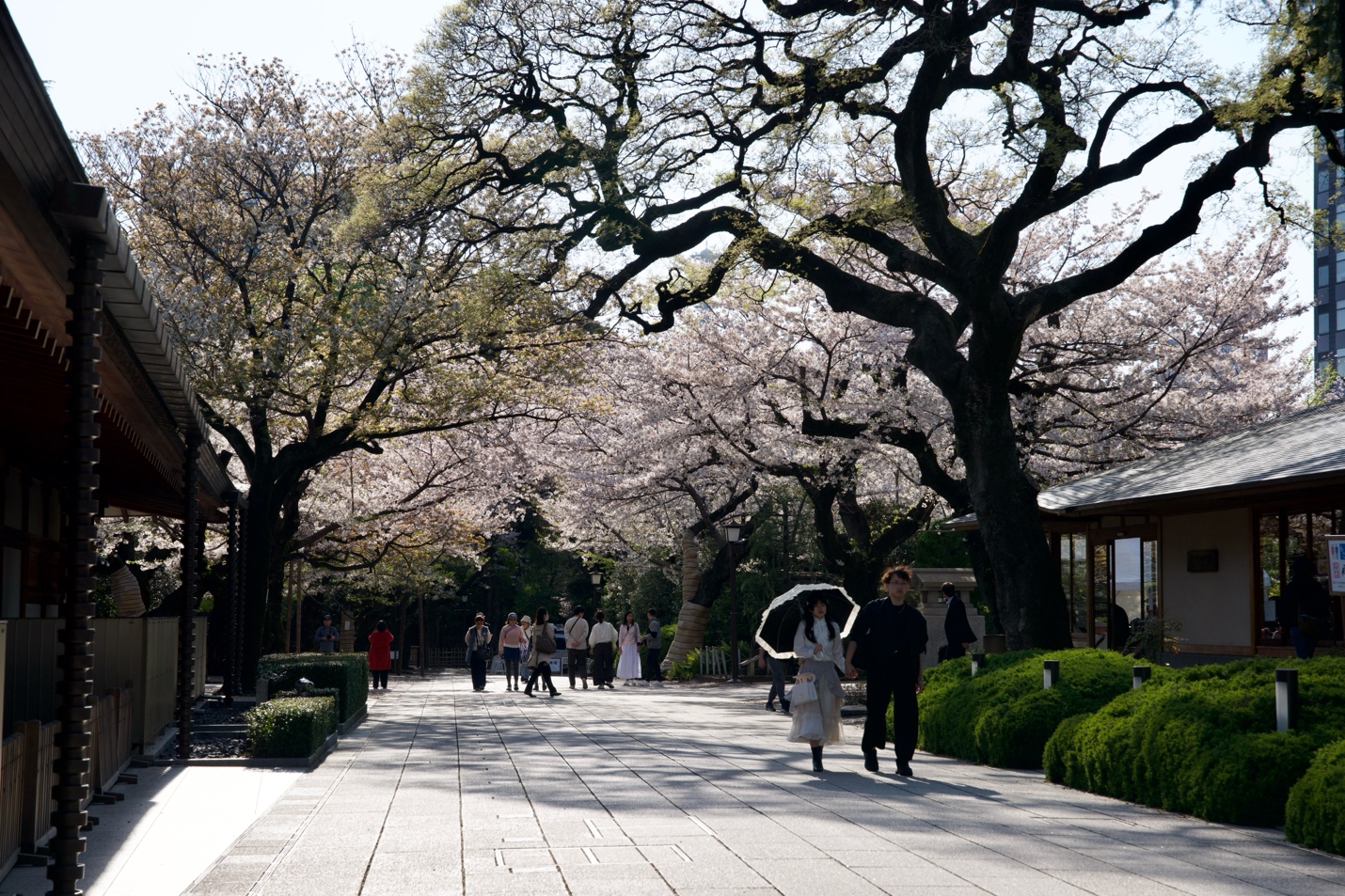
The official cherry blossom season starts with the blooming of benchmark trees such as this old tree in Yasukuni. This is a highly photographed and highly visited cherry tree. How many cherry blossoms have floated from these wizened branches?
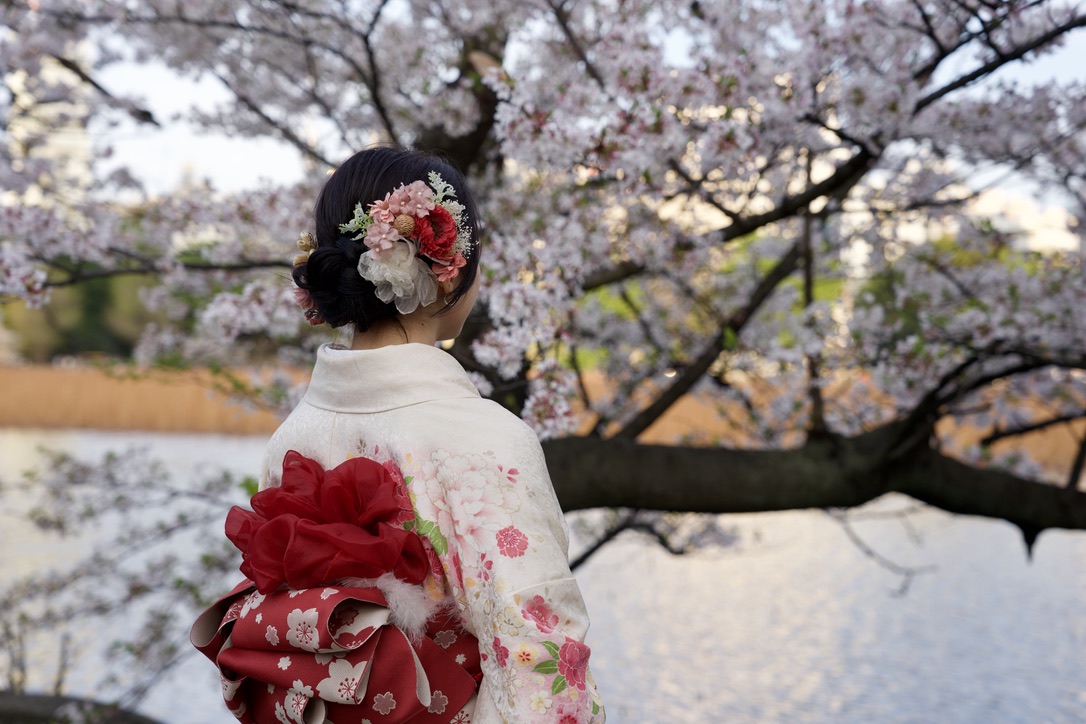
Japanese mothers dress up their children to photograph under the blossoms. Others sit under the blossoms for the health benefits said to be conferred by the pollen.
This photo shows a crowd, but when you experience the cherry blossom season among the Japanese, you don’t mind wading through the crowds for a few photos.
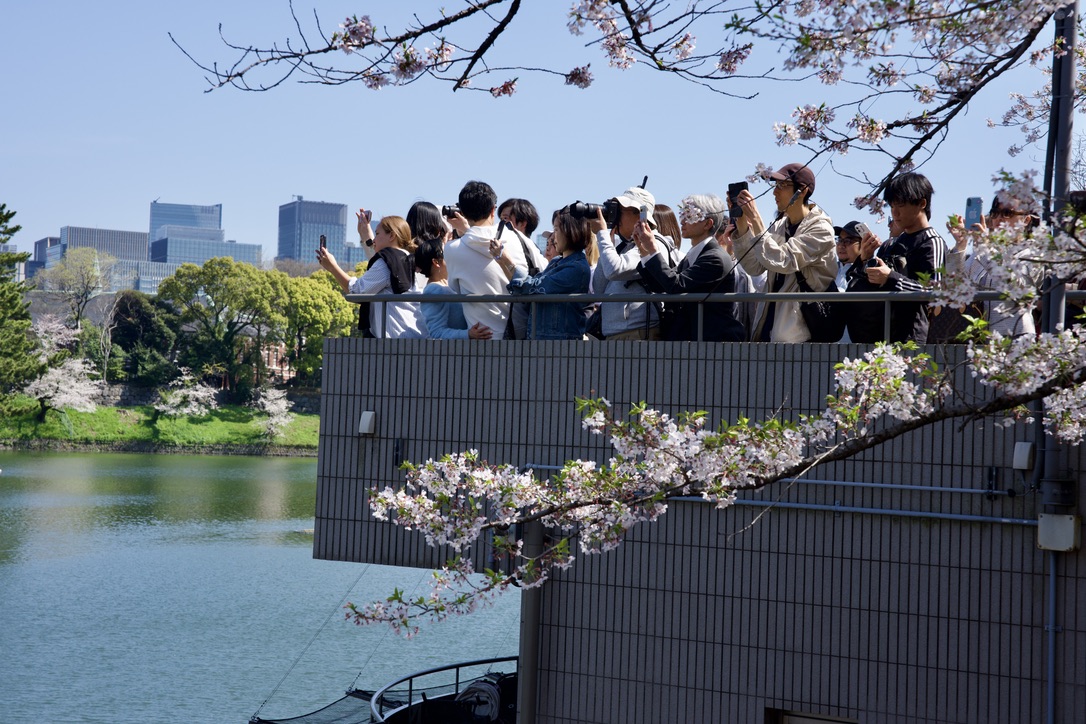
The Japanese have a penchant for making beautiful things do subtle, harmonious work, on full display in the photo below. Engineers use the trees to pack the ground used in water infrastructure. When huge numbers of people come to picnic under the cherry trees (whether in blossom or not), the foot traffic also packs down the soil and reinforces the infrastructure. Interestingly, in the Netherlands, the Dutch graze sheep on water infrastructure for the same reason. This is elegant engineering.
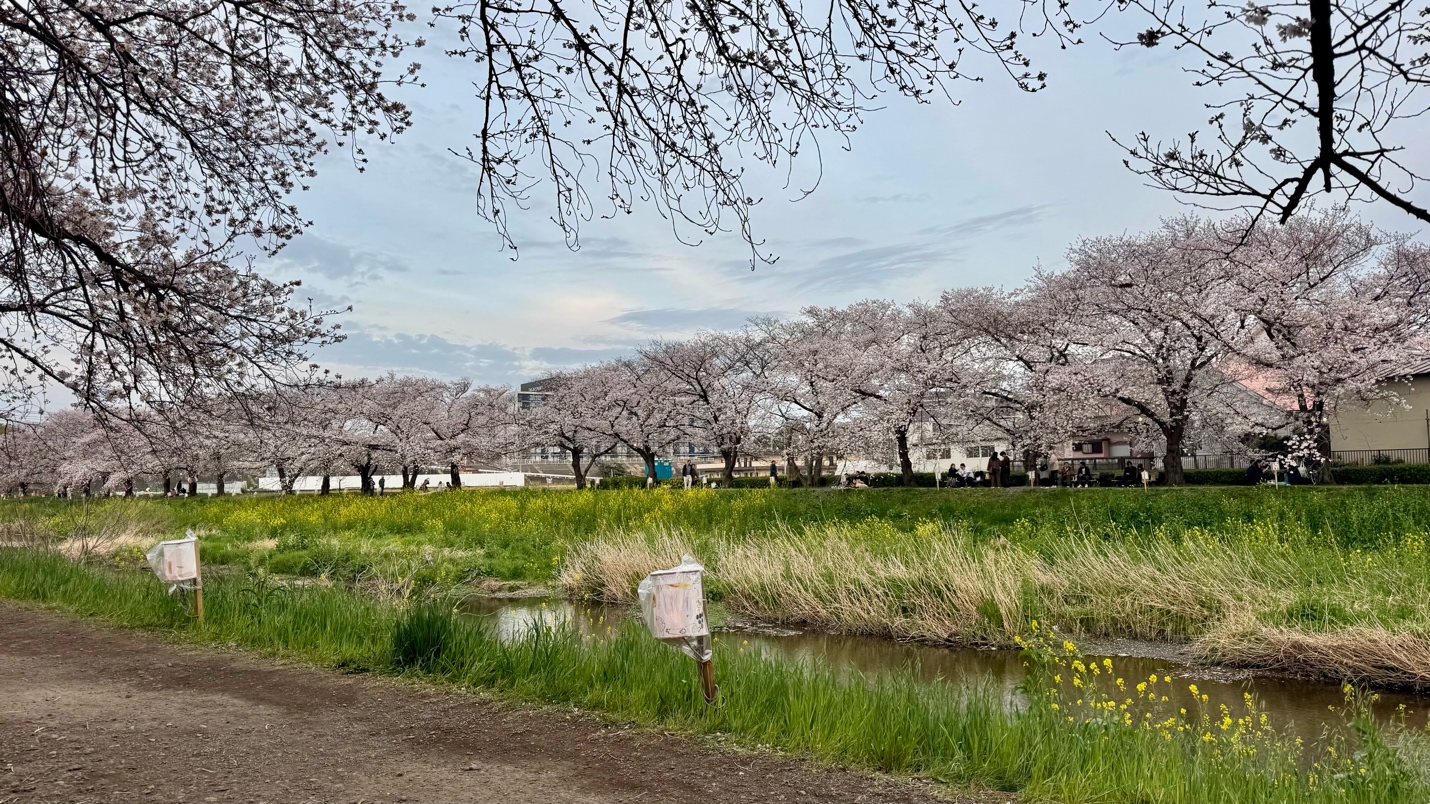
At Yasukuni Shrine in Tokyo (roughly equivalent to Arlington National Cemetery), nobody is actually buried, but about 2.47 million souls are enshrined. A museum there houses many letters from Japanese soldiers who died in combat. Years ago, I (Michael) spent most of a day reading every single translated letter written by soldiers to their families. Many are final letters from young soldiers who knew they would soon die, and some wrote of their sadness at having never married. Those with serious girlfriends wrote to their beloved, “You should move on in life—and I will be there with the cherry blossoms.” However, it is said that many of the women never married.
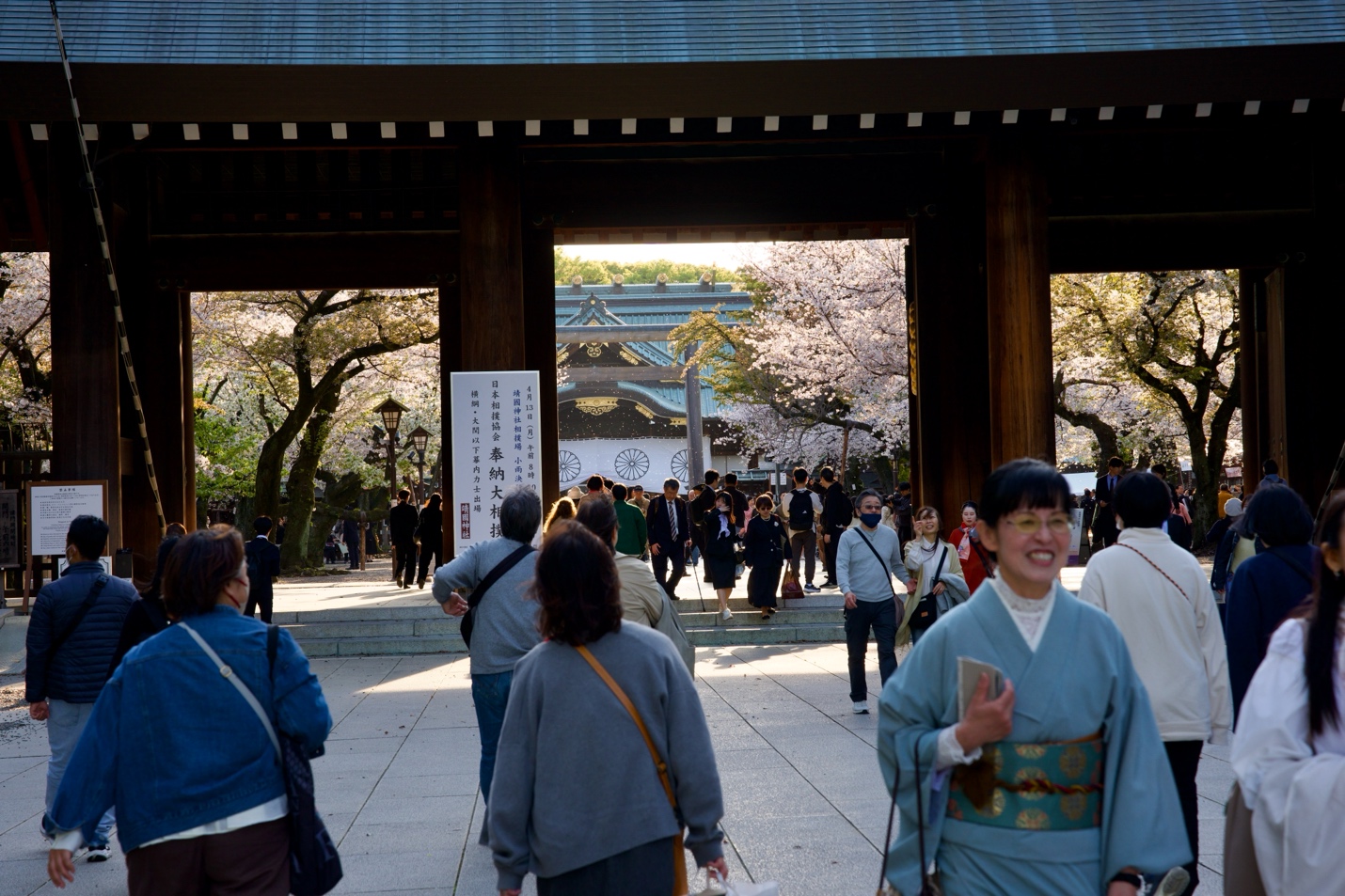
Young, unmarried Kamikaze sometimes carried comfort dolls (mon ningyō)—effigies of the girls they never would marry—made by mothers, sisters, or the girls themselves. These young warriors would take the dolls into combat, including on final missions. In the Yasukuni museum, you see some of those dolls. Nothing could be sadder yet more serious than the combination of the letters, the dolls, and the time of cherry blossoms.
Over the decades, families and women have journeyed to the shrine to commune with their loved ones’ souls under the cherry blossoms. During my visits to Yasukuni, I have seen many a tear stream down old faces. Young people who visit the shrine do not seem to realize that in reality, the war never ended.
What about cherry trees in the U.S.? Japan’s first gift of cherry trees to the United States was in the 19th century, but the trees were said to be infested with unwelcome insects and disease and were incinerated in 1910. Japan tried again, and in 1912, more than 3,000 cherry trees arrived in Washington, DC. Some are still standing there today. The things those cherry trees have seen….
Already a subscriber?

Our mission is to help you live a free and inspired life. This includes building wealth in ways that build real wealth in the wider economy. We believe that personal and family wealth is a critical ingredient of both individual freedom and community, health and well-being.
Nothing on The Solari Report should be taken as individual investment, legal, or medical advice. Anyone seeking investment, legal, medical, or other professional advice for his or her personal situation is advised to seek out a qualified advisor or advisors and provide as much information as possible to the advisor in order that such advisor can take into account all relevant circumstances, objectives, and risks before rendering an opinion as to the appropriate strategy.
Receive your free copy of Coming Clean
Be the first to know about new articles, series and events
Your shopping cart is empty
Notifications