This 6-pillar curriculum teaches the basic literacy we need to be personally and financially successful and to do so in a manner in which together we evolve a culture that supports the emergence of an advanced human civilization.
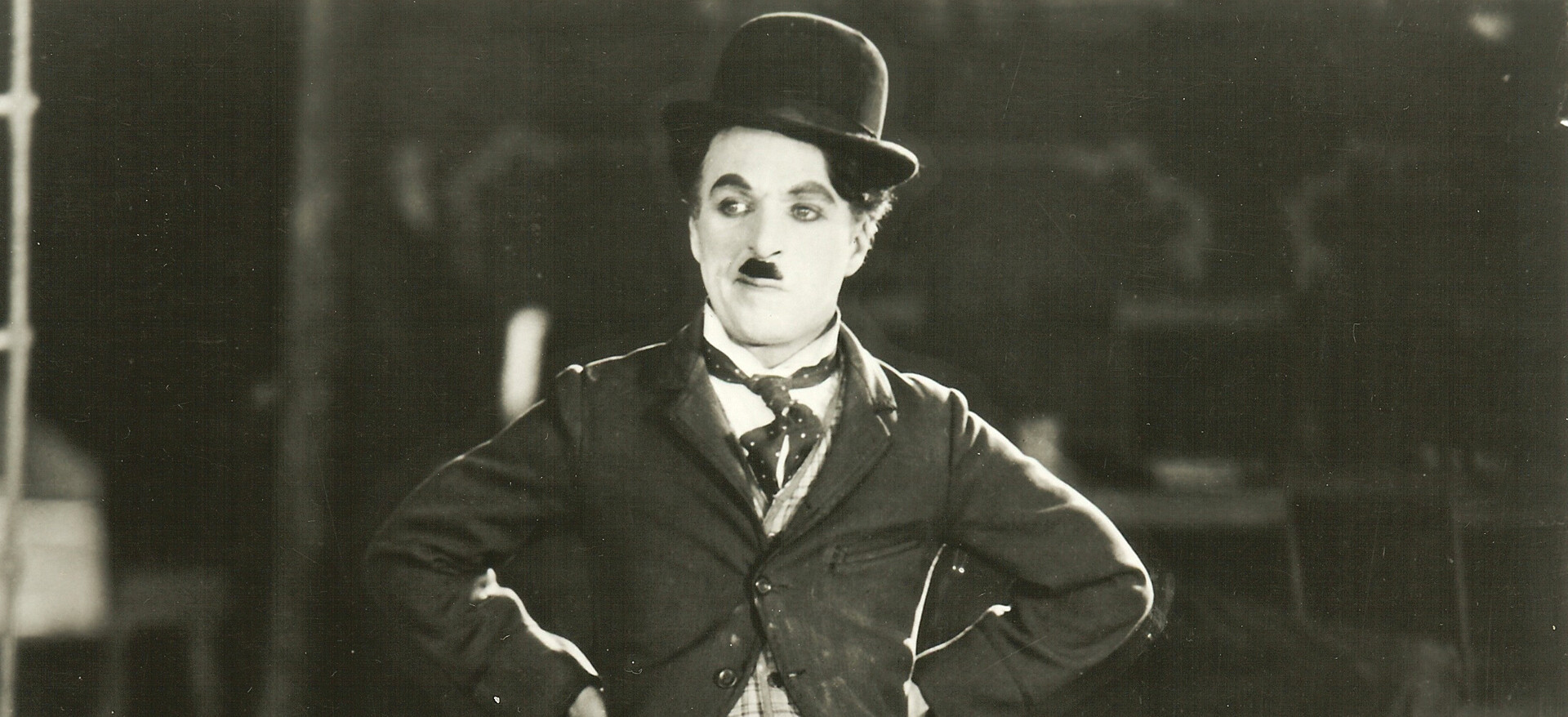
In the age of CGI, the skill and artistry that went into predigital filmmaking have almost been forgotten. To this day, however, cineastes acknowledge Charlie Chaplin (1889–1977)—“Charlot” to French-speaking audiences—as one of the film industry’s most important figures and one of the world’s greatest artists.
In the 2003 documentary Charlie Chaplin: The Forgotten Years, Swiss writer-director Felice Zenoni dwells not on the artist’s well-known vaudeville-to-Hollywood trajectory but on his last 25 years, after Chaplin and his growing family (with his fourth wife and “perfect love” Oona O’Neill Chaplin, 36 years his junior) had moved to Vevey, Switzerland. In the manner of a collage, the film intersperses a marvelous treasure trove of photos and home movies with interviews. In addition to interviews with several of Chaplin’s children (Michael, Eugene, and Geraldine) and celebrities such as Peter Ustinov and Petula Clark, Zenoni tracks down more modest admirers of Charlot such as circus performers, hotel desk clerks, and the humble gravediggers who buried him in Christmas 1977.
When British-born Chaplin departed the U.S. in 1952, he left behind McCarthyism and a 1900-page file accumulated by the FBI over a 30-year period. Before leaving, Chaplin testified, “I’m no communist agitator. I’m an agitator for peace.” He was 63 years old at the time, and according to the film, had been “weary of America and homesick for Europe” for quite some time.
The family settled in a 15-bedroom manoir above Vevey on Lake Geneva, enjoying the “discretion and seclusion [they] found in calm and conventional Switzerland.” (The film does point out, however, that Swiss security agencies carried on the FBI’s unsavory practice of monitoring his activities and visitors, and Switzerland never granted him citizenship.) Today, the home and grounds host “Chaplin’s World,” a delightful museum dedicated to “the man with his family and his cinematographic works.”
As the documentary explains, “the world came to Chaplin,” with illustrious visitors to the Vevey residence including pianist Clara Haskill and author Graham Greene as well as Chaplin’s fun half-brother, “Uncle Sydney.” Haskill came for Christmas every year; says Geraldine, Haskill would play and Chaplin would weep, and then Chaplin would show a movie and Haskill would weep.
The film also reminds us that Chaplin was not only a talented writer, actor, and filmmaker, but also a prolific composer who wrote the music for most of his films. He wrote over 200 of his 500 melodies during the Swiss years.
The details provided about the honorary Academy Award awarded to Chaplin in 1972 (“for the incalculable effect he had in making motion pictures the art form of [the 20th] century”) are fascinating. Although this was Chaplin’s first (and only) visit back to the U.S. since his 1952 departure, the vindictive U.S. authorities would only give him a 10-day visa. More heartwarmingly, he received an enthusiastic standing ovation at a time when standing ovations at the Oscars were the exception rather than the rule.
A 2024 analysis of Chaplin’s contributions to the film industry notes that the artist “infuse[d] heart into his iconic form of comedy,” going beyond slapstick gags to “affect audiences on a psychological level.” This is, perhaps, why his films seem as relevant, moving, and watchable now as they were when first released.