This 6-pillar curriculum teaches the basic literacy we need to be personally and financially successful and to do so in a manner in which together we evolve a culture that supports the emergence of an advanced human civilization.
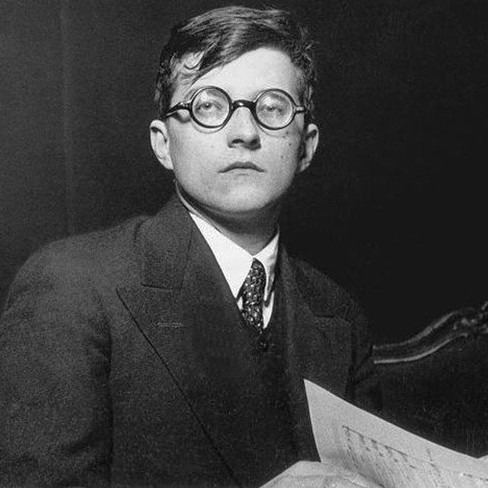
Dmitri Shostakovich’s early Symphony No. 3 in E-flat major, commonly known as The First of May, is one of his often-overlooked works, probably due to its Soviet communist connotations.
It sits at the crossroads between Shostakovich’s youthful experimentation and the political pressures that would increasingly influence his career in Stalinist Russia.
The symphony is a highly experimental composition, structured, unlike a traditional symphony, as a single continuous movement rather than divided into separate sections. This gives the work a sense of unfolding, where musical ideas evolve and transform without clear breaks. One of its most distinctive features is the choral finale. Toward the end, a choir enters to sing a propagandistic text (words by the poet Kirsanov) celebrating May Day, the international workers’ holiday and a national holiday of Russia since 1889.